Guest Editor : Justin Hui.
I just came back from 2 weeks of travel in Federal Iraq and Kurdistan. We focused on Central Iraq (Baghdad, Babylon, Najaf, Karbala, Kufa, Samarra), Southern Iraq (Basra, the Marshes, Ur), and the North (Erbil, Mosul, Alqosh, Lalish). We took flights between Baghdad → Basra → Erbil to avoid long road trips and save time.
Iraq was one of the best trips of my life, and I hope to return. While the sites were great, the highlight was the people: their perspectives, generosity, and the experience of witnessing a country in the process of opening up. The trip felt unscripted and raw; not everything went as planned, but any inconvenience was repaid with authenticity.
I just came back from 2 weeks of travel in Federal Iraq and Kurdistan. We focused on Central Iraq (Baghdad, Babylon, Najaf, Karbala, Kufa, Samarra), Southern Iraq (Basra, the Marshes, Ur), and the North (Erbil, Mosul, Alqosh, Lalish). We took flights between Baghdad → Basra → Erbil to avoid long road trips and save time.
Iraq was one of the best trips of my life, and I hope to return. While the sites were great, the highlight was the people: their perspectives, generosity, and the experience of witnessing a country in the process of opening up. The trip felt unscripted and raw; not everything went as planned, but any inconvenience was repaid with authenticity.
1. Go now, before mass tourism arrives
Iraq is far safer than most people think, and locals are eager to show a different reality than what the media has portrayed for decades. It feels like a country on the cusp of a return to greatness and in far better shape than it even was a few years ago, when checkpoints and restrictions made travel much more difficult. We’re seeing the country stabilize and open up and it feels still very raw and real, not tainted by mass tourism. I genuinely hope Iraq doesn’t end up overrun or hollowed out by mass tourism the way some other destinations have been (like Cairo or Marrakech).
2. Guides: Helpful but use them selectively
We were just two people, so we hired city-specific guides only when needed, and explored some cities on our own. This is far cheaper than packaged tours and gives you much more flexibility on schedule. You can also negotiate better rates this way when you’re in Iraq (Many things are negotiable here).
Guides (or drivers) are especially helpful for reaching places that are harder for foreigners to access, like Samarra, Najaf, Karbala, Babylon, or Ur, especially if you’re short on time.
Guides may also be able to access sites that are currently closed if they know the “right” people
If money is tight, you can just hire a driver but they likely won’t speak English. Our guides added a lot of context, sharing personal stories and perspectives that made the experience much richer.
3. Many places are still closed
Don’t trust Google Maps or Trip Advisor. Many sites listed as “open” on Google Maps were actually closed or under renovation. This reflects a country still recovering from war or lack of funds. Some places are accessible only if you know the “right” local person, while others—like the National Museum—may not be accessible at all.
Closed places shouldn’t deter you from going though - some of the highlights in our trip were not museums or archeological sites, but the freedom to wander on our own throughout Baghdad, Mosul, talking to people, experiencing their hospitality.
Closed sites (December 2025):
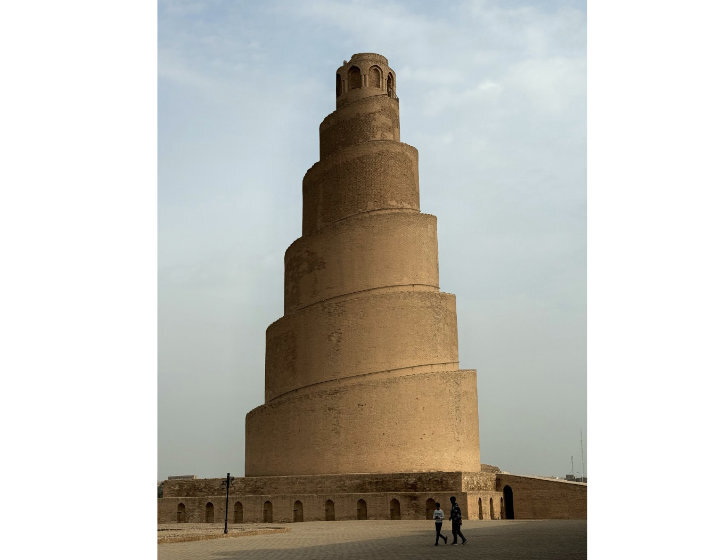
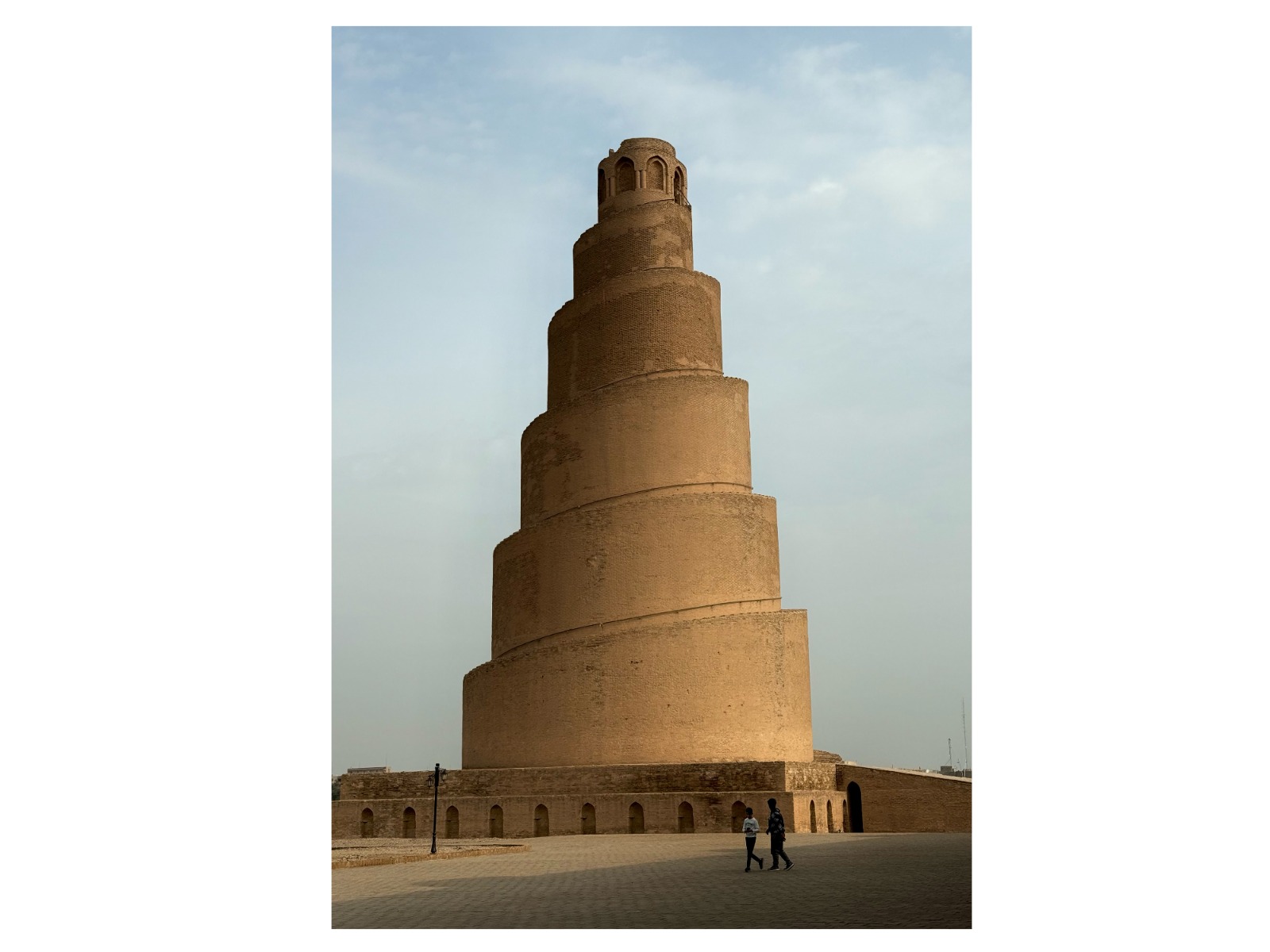
National Museum of Iraq, Cultural Museum in Mosul, most churches and mosques in Mosul, Erbil Citadel, Samarra Minaret
4. SIM Cards and Internet
Local SIM cards are cheap and easy to buy at the airport or in city shops. We got a ZAIN SIM with unlimited data at Baghdad Airport, which we used to hotspot other phones. They didn’t accept eSIMs, so make sure your phone can take a physical SIM.
5. Bring $100 USD bills and exchange for Dinar
Iraq is still overwhelmingly cash-based.
Bring enough USD—locals want it and are often willing to pay more for it than the official exchange rate (1400 dinar to Dollar)…BUT they mostly want the 100 dollar bill so withdraw enough of those bills before you arrive in Iraq.
We got most of our dinars from paying our hotel with the 100 dollar bill, and receiving the change in Iraqi Dinar. We never needed to go to an ATM in our entire trip.
6. Book hotels locally for the best rates
Booking locally gets you a better rate than online. Book the first night ahead of time for immigration verification, then negotiate in person at the hotel for the rest of the nights. Often we would just show up at a hotel without a reservation and there was always a room available.
7. Mosul was a highlight
Though Iraqi’s were all incredibly kind, the kindness of people in Mosul was another level. Be careful when walking through the rubble of destroyed buildings, especially if you don't see any "Safe" signs spray painted on walls (indicating that the site has been cleared of any possible IED, explosives, and landmines)
8. Expect LOTS of photos with locals
People will constantly ask for pictures, out of pure curiosity. They may also insist on treating you. It’s okay to respectfully decline if you’re tired of posing for photographs every minute but remember to be a good ambassador for your country. Being kind and courteous goes a long way in this country. Don’t be a bitch.
9. Security checkpoints are everywhere but manageable
There are a lot of security checkpoints between cities but that’s a good thing and they’re there for your safety. We rarely ever needed to wait more than 3 - 5 minutes. Don't take photos.
Baghdad airport is the exception—arrive at least 4 hours early. We passed through five security checks before reaching the gate.
10. Safety
We felt extremely safe. Locals would genuinely protect you at all costs if you need help. Petty crime you normally encounter in the West like theft, robbery, muggings, don’t really exist in Iraq.
However, use common sense, avoid deep political discussions unless you know who you’re talking to, and don’t put yourself in risky situations.
The biggest danger is traffic. The driving is absolute chaos but somehow it still works miraculously.
For female (especially solo) travelers, see point below.
11. Women travelers
The country is still socially conservative and there are many places in public where you won’t see many women around.
While most men are respectful, don’t allow them to take advantage of you knowing that you’re a foreigner. For example, men generally will speak to the husband first instead of the woman if you’re married. There should also be no reason for any man to try to get “close” to you like putting his arm around you.
Rely on guides with strong reviews—their reputation depends on it. Or hire a female guide.
Hate to say it, but covering up helps a lot and saves you from unnecessary attention.
12. Food
The best food we had was parcha in Mosul…..soupy, juicy lamb dishes that were unforgettable.
13. Mosques are worth experiencing, even if super crowded.
Be respectful. Prayer times can be crowded and intense, but the experience is eye-opening and absolutely worth it, especially if you’re not Muslim.
14. Costs: cheap, but not dirt-cheap.
Iraq isn’t as cheap traveling in India or China, but you can get by if you live like a local. Most places are affordable but airports and tourist-facing places may overcharge. Negotiating prices are normal but be courteous about it.
15. Getting around
Download Baly or Kareem before you land. Car hailing apps are helpful not just to find a taxi, but to fix prices in advance and avoid being exploited as a foreigner.
16. Photography
Iraq is a very easy country to take photos, even for a predominantly muslim country. In fact, people kept asking us to take photos of /with them.
Majority of mosques won’t allow you to bring a camera inside but you can take photos/videos with your phone.
DO NOT photograph checkpoints, military, or government buildings. You can get in serious trouble for it.
17. Visas & entry are straightforward.
We applied online for the “Visit” e-visa, which works for both Federal Iraq and Kurdistan. It was approved in 3 days. We flew into Baghdad, and passport stamping was straightforward. Have printed hotel bookings and exit plans ready at immigration.
Iraq is complex, deeply diverse, and still healing....but the warmth, generosity, and humanity here are on another level.
Travel smart, stay humble, and represent your country well.
Iraq is far safer than most people think, and locals are eager to show a different reality than what the media has portrayed for decades. It feels like a country on the cusp of a return to greatness and in far better shape than it even was a few years ago, when checkpoints and restrictions made travel much more difficult. We’re seeing the country stabilize and open up and it feels still very raw and real, not tainted by mass tourism. I genuinely hope Iraq doesn’t end up overrun or hollowed out by mass tourism the way some other destinations have been (like Cairo or Marrakech).
2. Guides: Helpful but use them selectively
We were just two people, so we hired city-specific guides only when needed, and explored some cities on our own. This is far cheaper than packaged tours and gives you much more flexibility on schedule. You can also negotiate better rates this way when you’re in Iraq (Many things are negotiable here).
Guides (or drivers) are especially helpful for reaching places that are harder for foreigners to access, like Samarra, Najaf, Karbala, Babylon, or Ur, especially if you’re short on time.
Guides may also be able to access sites that are currently closed if they know the “right” people
If money is tight, you can just hire a driver but they likely won’t speak English. Our guides added a lot of context, sharing personal stories and perspectives that made the experience much richer.
3. Many places are still closed
Don’t trust Google Maps or Trip Advisor. Many sites listed as “open” on Google Maps were actually closed or under renovation. This reflects a country still recovering from war or lack of funds. Some places are accessible only if you know the “right” local person, while others—like the National Museum—may not be accessible at all.
Closed places shouldn’t deter you from going though - some of the highlights in our trip were not museums or archeological sites, but the freedom to wander on our own throughout Baghdad, Mosul, talking to people, experiencing their hospitality.
Closed sites (December 2025):
National Museum of Iraq, Cultural Museum in Mosul, most churches and mosques in Mosul, Erbil Citadel, Samarra Minaret
4. SIM Cards and Internet
Local SIM cards are cheap and easy to buy at the airport or in city shops. We got a ZAIN SIM with unlimited data at Baghdad Airport, which we used to hotspot other phones. They didn’t accept eSIMs, so make sure your phone can take a physical SIM.
5. Bring $100 USD bills and exchange for Dinar
Iraq is still overwhelmingly cash-based.
Bring enough USD—locals want it and are often willing to pay more for it than the official exchange rate (1400 dinar to Dollar)…BUT they mostly want the 100 dollar bill so withdraw enough of those bills before you arrive in Iraq.
We got most of our dinars from paying our hotel with the 100 dollar bill, and receiving the change in Iraqi Dinar. We never needed to go to an ATM in our entire trip.
6. Book hotels locally for the best rates
Booking locally gets you a better rate than online. Book the first night ahead of time for immigration verification, then negotiate in person at the hotel for the rest of the nights. Often we would just show up at a hotel without a reservation and there was always a room available.
7. Mosul was a highlight
Though Iraqi’s were all incredibly kind, the kindness of people in Mosul was another level. Be careful when walking through the rubble of destroyed buildings, especially if you don't see any "Safe" signs spray painted on walls (indicating that the site has been cleared of any possible IED, explosives, and landmines)
8. Expect LOTS of photos with locals
People will constantly ask for pictures, out of pure curiosity. They may also insist on treating you. It’s okay to respectfully decline if you’re tired of posing for photographs every minute but remember to be a good ambassador for your country. Being kind and courteous goes a long way in this country. Don’t be a bitch.
9. Security checkpoints are everywhere but manageable
There are a lot of security checkpoints between cities but that’s a good thing and they’re there for your safety. We rarely ever needed to wait more than 3 - 5 minutes. Don't take photos.
Baghdad airport is the exception—arrive at least 4 hours early. We passed through five security checks before reaching the gate.
10. Safety
We felt extremely safe. Locals would genuinely protect you at all costs if you need help. Petty crime you normally encounter in the West like theft, robbery, muggings, don’t really exist in Iraq.
However, use common sense, avoid deep political discussions unless you know who you’re talking to, and don’t put yourself in risky situations.
The biggest danger is traffic. The driving is absolute chaos but somehow it still works miraculously.
For female (especially solo) travelers, see point below.
11. Women travelers
The country is still socially conservative and there are many places in public where you won’t see many women around.
While most men are respectful, don’t allow them to take advantage of you knowing that you’re a foreigner. For example, men generally will speak to the husband first instead of the woman if you’re married. There should also be no reason for any man to try to get “close” to you like putting his arm around you.
Rely on guides with strong reviews—their reputation depends on it. Or hire a female guide.
Hate to say it, but covering up helps a lot and saves you from unnecessary attention.
12. Food
The best food we had was parcha in Mosul…..soupy, juicy lamb dishes that were unforgettable.
13. Mosques are worth experiencing, even if super crowded.
Be respectful. Prayer times can be crowded and intense, but the experience is eye-opening and absolutely worth it, especially if you’re not Muslim.
14. Costs: cheap, but not dirt-cheap.
Iraq isn’t as cheap traveling in India or China, but you can get by if you live like a local. Most places are affordable but airports and tourist-facing places may overcharge. Negotiating prices are normal but be courteous about it.
15. Getting around
Download Baly or Kareem before you land. Car hailing apps are helpful not just to find a taxi, but to fix prices in advance and avoid being exploited as a foreigner.
16. Photography
Iraq is a very easy country to take photos, even for a predominantly muslim country. In fact, people kept asking us to take photos of /with them.
Majority of mosques won’t allow you to bring a camera inside but you can take photos/videos with your phone.
DO NOT photograph checkpoints, military, or government buildings. You can get in serious trouble for it.
17. Visas & entry are straightforward.
We applied online for the “Visit” e-visa, which works for both Federal Iraq and Kurdistan. It was approved in 3 days. We flew into Baghdad, and passport stamping was straightforward. Have printed hotel bookings and exit plans ready at immigration.
Iraq is complex, deeply diverse, and still healing....but the warmth, generosity, and humanity here are on another level.
Travel smart, stay humble, and represent your country well.
Text and photos by Justin Hui. All rights reserved.
You can see more of his work his Instagram.
Note from Walk beside :
For those who would feel more comfortable travelling with a small group, accompanied by a local guide and without having to worry about the logistics, you can join us on our 10-day Iraq .
Together, we will go beyond the usual narratives, meet the people who make Iraq what it is, and discover the country from south to north : from Basra to Erbil.
→ Explore our Iraq tour
You can see more of his work his Instagram.
Note from Walk beside :
For those who would feel more comfortable travelling with a small group, accompanied by a local guide and without having to worry about the logistics, you can join us on our 10-day Iraq .
Together, we will go beyond the usual narratives, meet the people who make Iraq what it is, and discover the country from south to north : from Basra to Erbil.
→ Explore our Iraq tour