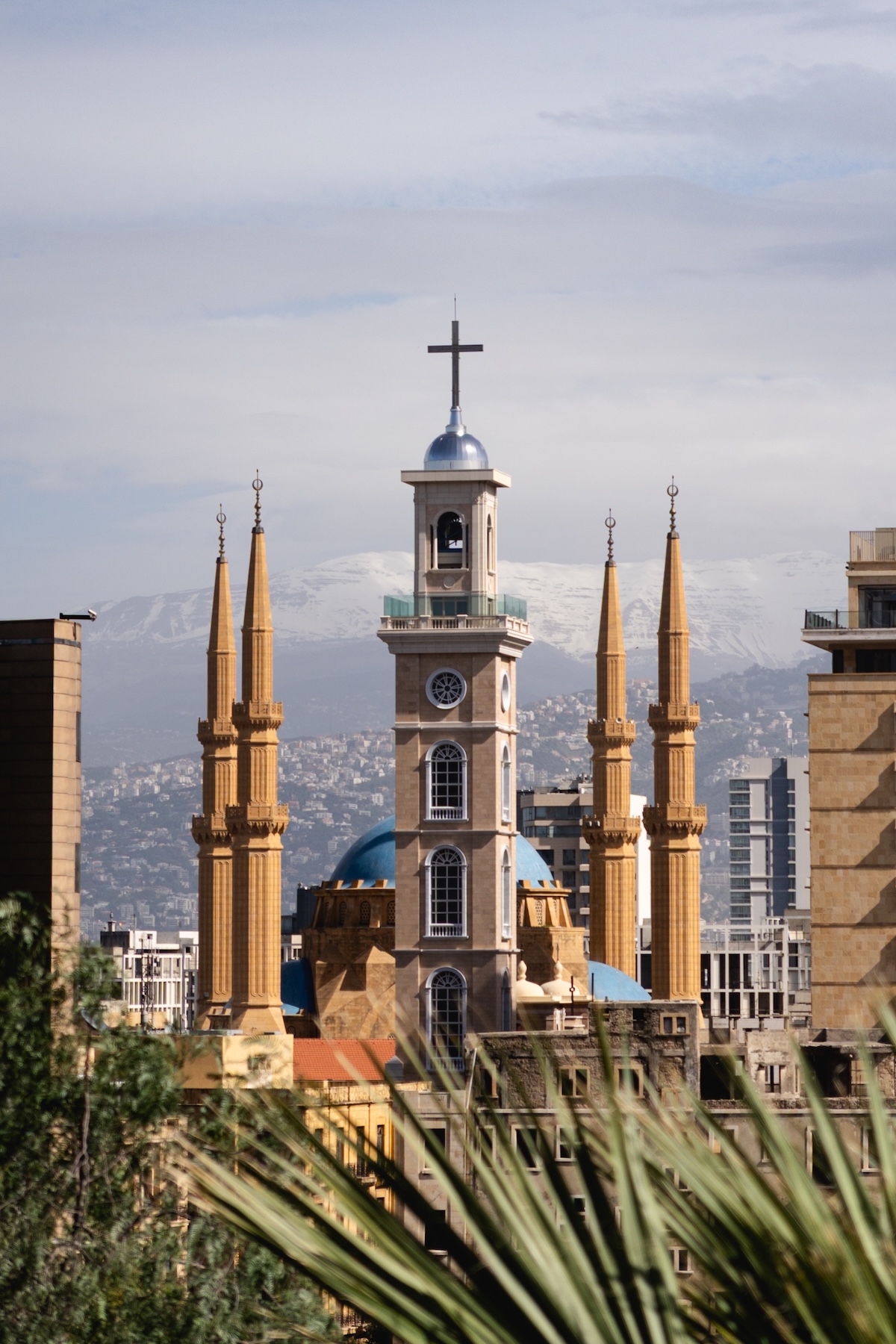
A country that holds a very special place in our hearts.
Lebanon is not just another destination for us. It is the place where Manon, founder of Traveler Community Middle East and Walk Beside, decided to settle down and build a new chapter of her life.
Lebanon is often overlooked and underestimated, especially because of the challenges the country has faced in recent years. Yet behind the headlines, there is a country full of life, creativity, culture, and unforgettable experiences. This guide is our way of sharing the Lebanon we love
We created this travel guide to make your journey easier and help you discover the best of Lebanon, whether you are visiting for a few days or planning a longer adventure.
In this travel guide, you will find:
Lebanon is not just another destination for us. It is the place where Manon, founder of Traveler Community Middle East and Walk Beside, decided to settle down and build a new chapter of her life.
Lebanon is often overlooked and underestimated, especially because of the challenges the country has faced in recent years. Yet behind the headlines, there is a country full of life, creativity, culture, and unforgettable experiences. This guide is our way of sharing the Lebanon we love
We created this travel guide to make your journey easier and help you discover the best of Lebanon, whether you are visiting for a few days or planning a longer adventure.
In this travel guide, you will find:
- Visa requirements
- Safety and security
- How to get to Lebanon
- How to get a SIM
- Money
- Where to stay, our recommended accommodation list
- Getting around Lebanon: transportation tips
- What to visit, our favorites places in the country
- Best places to eat, our favorite restaurants and bars in the country
- FAQ
- Planning to visit Lebanon this summer? Discover our favorite beaches and swimming pools to cool off and enjoy the Lebanese coast.
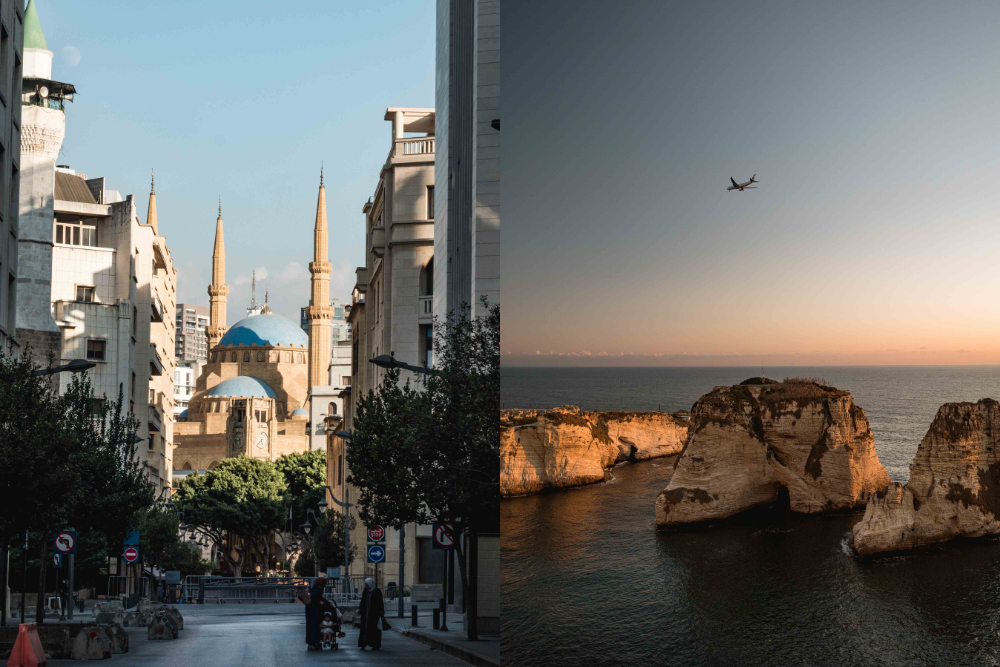
Beirut, Lebanon - Manon Roca
During your stay in Lebanon, don’t forget to save this website: a free emergency assistance platform for foreigners and visitors in Lebanon. It provides quick access to emergency numbers, hospitals, embassies, police, the Red Cross, pharmacies, and other SOS services.
https://soslebanon.org
https://soslebanon.org
Visa requirements
Do I need a visa to visit Lebanon?
Most visitors from the US, UK, EU, Canada, and many other countries can enter visa-free or with visa on arrival for up to ~30 days with a valid passport. Passport must be valid for at least six months beyond your stay.
Can I extend my stay?
While there is an official way to extend your visa through General Security in Beirut, we do not recommend it: it is more expensive and time-consuming. We suggest that you simply pay the overstay fee when leaving the country (you will not be sanctioned when you return to Lebanon).
If leaving from the airport:
You need to go downstairs to the arrivals area. When you enter the building, the office is on the left side. It should be open 24/7.
The fee is:
To save time and money, we recommend coming with the amount already exchanged into Lebanese pounds. If you don’t have LBP, there is a money exchange office right next to the payment office where you can exchange your dollars (but the exchange rate there is lower than the official one).
Note: you might be asked to provide copies of two pages of your passport. You can do that for $2 at a little shop next to the counter, that was also open at that time.
Are there restrictions based on previous travel stamps (e.g., Israel)?
Yes. If your passport shows evidence of travel to Israel, you may be denied entry. If you plan to visit there before coming to Lebanon it’s better to have the stamp on a separate paper and not on your passport.
Most visitors from the US, UK, EU, Canada, and many other countries can enter visa-free or with visa on arrival for up to ~30 days with a valid passport. Passport must be valid for at least six months beyond your stay.
Can I extend my stay?
While there is an official way to extend your visa through General Security in Beirut, we do not recommend it: it is more expensive and time-consuming. We suggest that you simply pay the overstay fee when leaving the country (you will not be sanctioned when you return to Lebanon).
If leaving from the airport:
You need to go downstairs to the arrivals area. When you enter the building, the office is on the left side. It should be open 24/7.
The fee is:
- Less than 3 months overstay: 4.9 million Lebanese pounds (approximately $55 USD)
- More than 3 months overstay: 6.9 million Lebanese pounds (approximately $77 USD)
To save time and money, we recommend coming with the amount already exchanged into Lebanese pounds. If you don’t have LBP, there is a money exchange office right next to the payment office where you can exchange your dollars (but the exchange rate there is lower than the official one).
Note: you might be asked to provide copies of two pages of your passport. You can do that for $2 at a little shop next to the counter, that was also open at that time.
Are there restrictions based on previous travel stamps (e.g., Israel)?
Yes. If your passport shows evidence of travel to Israel, you may be denied entry. If you plan to visit there before coming to Lebanon it’s better to have the stamp on a separate paper and not on your passport.
Safety & Security
Is Lebanon safe right now?
Current travel advisories from many countries still advise caution or reconsidering travel due to civil unrest, regional tensions, demonstrations, and unpredictable security conditions, but don’t believe any of that! Most of Lebanon is extremely safe, but before coming make sure to ask locals to get the latest updates.
What should I avoid?
Avoid areas near border regions in the South and don’t go in alone or without a guide into South Beirut (Dahiye).
Please be respectful and careful where you use your camera, always ask locals before you take any pictures.
Can I bring a drone?
Yes you can but it doesn’t mean you can use it anywhere, in most areas you need a special permission from the Lebanese Army.
What are emergency contacts in Lebanon?
• Police: 112
• Fire: 175
• Ambulance: 140
Current travel advisories from many countries still advise caution or reconsidering travel due to civil unrest, regional tensions, demonstrations, and unpredictable security conditions, but don’t believe any of that! Most of Lebanon is extremely safe, but before coming make sure to ask locals to get the latest updates.
What should I avoid?
Avoid areas near border regions in the South and don’t go in alone or without a guide into South Beirut (Dahiye).
Please be respectful and careful where you use your camera, always ask locals before you take any pictures.
Can I bring a drone?
Yes you can but it doesn’t mean you can use it anywhere, in most areas you need a special permission from the Lebanese Army.
What are emergency contacts in Lebanon?
• Police: 112
• Fire: 175
• Ambulance: 140
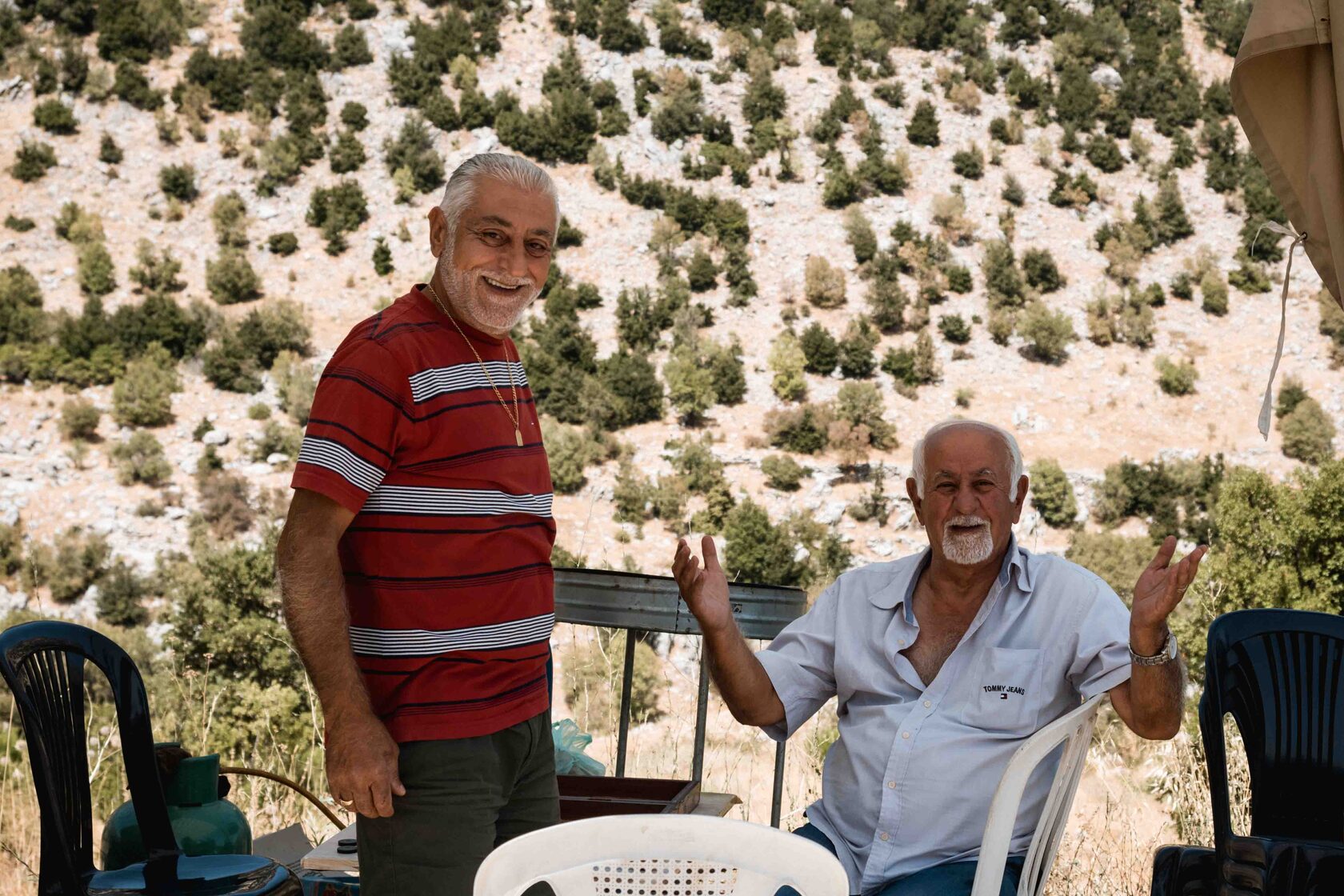
Welcome to Lebanon - Manon Roca
How to get to Lebanon:
flights and land borders from Syria
You basically have two options:
Please note that there is absolutely no way to cross the border from the southern neighborhood, the so-called "Israel", because it's a war zone since years.
When crossing land borders, make sure you get your passport stamped at both the Lebanese and the Syrian sides.
- Take a flight directly to the capital, Beirut
- Enter via a land border from Syria.
Please note that there is absolutely no way to cross the border from the southern neighborhood, the so-called "Israel", because it's a war zone since years.
When crossing land borders, make sure you get your passport stamped at both the Lebanese and the Syrian sides.
Crossing the Syria - Lebanon border: complete guide for travelers
We will go through the four border crossings between Lebanon and Syria.
Masnaa (Lebanon) / Jdeidet Yabous (Syria)
This is the main and most commonly used border crossing.
Note: if you have a flight out of Lebanon within 24 hours, you can ask for a one-day transit visa.
- Open daily from 5:00 AM to 12:00 AM (midnight)
- Closes only 5 hours overnight
- This is the most straightforward and reliable option for travelers going between Beirut (or Chtoura) and Damascus.
Note: if you have a flight out of Lebanon within 24 hours, you can ask for a one-day transit visa.
Option 1 – With Singer tours
Overall, it’s currently one of the cheapest and easiest ways to travel from Syria to Lebanon.
This is a fairly new service run by Singer Tours. They operate buses from Damascus to Beirut for $20.
The bus departs from Mazzeh in Damascus (the exact pickup location is sent directly by the company via message) and arrives in Hazmieh, Beirut. From there, you can take a taxi for around $5 to reach central Beirut.
You need to contact them on WhatsApp first, and they will then add you to their group where they share all the details, schedules, and updates.
This is their number: +961 71 551 034
This is a fairly new service run by Singer Tours. They operate buses from Damascus to Beirut for $20.
The bus departs from Mazzeh in Damascus (the exact pickup location is sent directly by the company via message) and arrives in Hazmieh, Beirut. From there, you can take a taxi for around $5 to reach central Beirut.
You need to contact them on WhatsApp first, and they will then add you to their group where they share all the details, schedules, and updates.
This is their number: +961 71 551 034
Option 2 – By Taxi
The most efficient and least time-consuming option is to hire a taxi directly from Damascus to Beirut.
We highly recommend contacting two drivers, who has been used by many members of the community and are known for being extremely kind and helpful.
The ride should not cost more than $80-100 (confirm the price when booking).
- Ali: +961 71 933 493 (speaks English)
- Or this man +961 71 885 717 (he does not speak English, so you will need to use a translation app to communicate.
We highly recommend contacting two drivers, who has been used by many members of the community and are known for being extremely kind and helpful.
The ride should not cost more than $80-100 (confirm the price when booking).
- Ali: +961 71 933 493 (speaks English)
- Or this man +961 71 885 717 (he does not speak English, so you will need to use a translation app to communicate.
Option 3 - By public transportation
You can find minivans from this location in Damascus:
Location
The ride takes approximately 3 hours.
At the border, the process is straightforward and should take no more than 30 minutes. Be aware that there is a fee to enter Lebanon from Syria of 12$.
After crossing the border, you arrive in the city of Chtoura. From there, you can either continue in the same minivan all the way to Beirut (usually Cola Station location here), or take another minivan towards the Beqaa (Baalbek).
Location
The ride takes approximately 3 hours.
At the border, the process is straightforward and should take no more than 30 minutes. Be aware that there is a fee to enter Lebanon from Syria of 12$.
After crossing the border, you arrive in the city of Chtoura. From there, you can either continue in the same minivan all the way to Beirut (usually Cola Station location here), or take another minivan towards the Beqaa (Baalbek).
Jusiah (Lebanon) – Jousieh (Syria)
A remote mountain crossing between Homs and Hermel,currently operating
This route is more remote and mountainous compared to Masnaa.
- Mountain crossing connecting Homs (Syria) to the Hermel area (Lebanon) - 6 hours, with a taxi it's around 50$ per person.
- From Hermel, cars continue toward Tripoli via a mountain road
This route is more remote and mountainous compared to Masnaa.
Arida Coastal Border Crossing
The border had been closed for some time due to weather damage.
Since May 2026, it is partially reopened for pedestrians, but it is still not fully repaired for vehicles.
Since May 2026, it is partially reopened for pedestrians, but it is still not fully repaired for vehicles.
Aboudieh (Lebanon) – Dabbousieh (Syria)
Currently closed
Damaged following an attack and not operating at the moment
Damaged following an attack and not operating at the moment
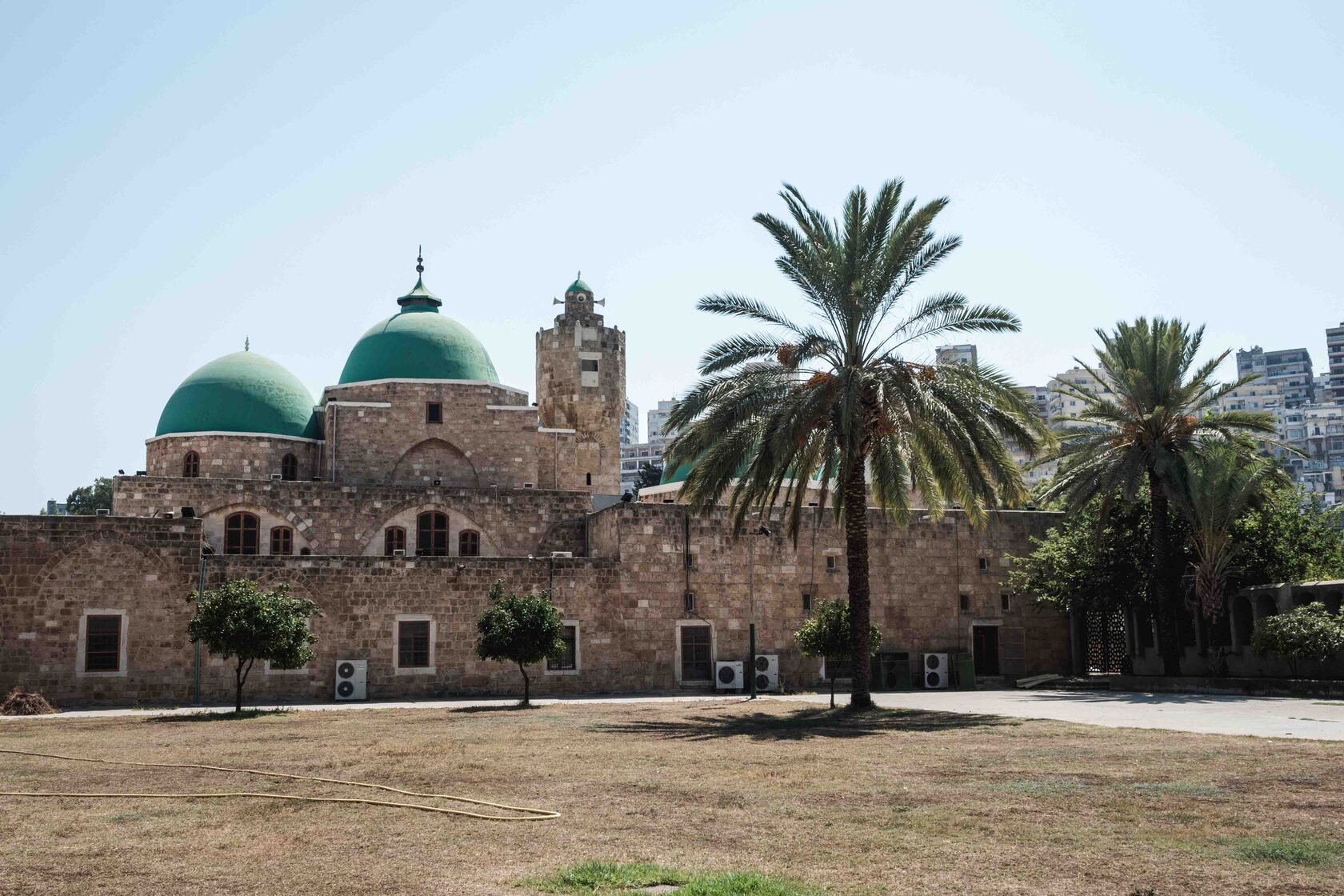
Tripoli - Manon Roca
How to get a SIM?
Let’s start with a pretty straightforward statement: mobile data isn’t cheap in Lebanon.
You basically have two options.
Option 1: Get an eSIM online (Airalo)
This option is convenient if you want internet as soon as you land, but it’s definitely more expensive.
Option 2: Get a Lebanese SIM card
This is the cheapest option. Look for official Touch or Alfa stores, they are the two main telecom companies in the country.
If you’re staying in Hamra (Beirut), you can also buy a SIM card at Class:
https://maps.app.goo.gl/YtUYwZ1hSrz2UTE56
You’ll need to pay around 10$ for the SIM card itself, and then you can choose one of these data plans:
And now you’re all set!
PS: You have free Wi-Fi at the airport, so you can order a taxi from there.
Then, once you check into your accommodation, you can look for the nearest official store.
You basically have two options.
Option 1: Get an eSIM online (Airalo)
- 17€ for 1 GB
- More information here:
This option is convenient if you want internet as soon as you land, but it’s definitely more expensive.
Option 2: Get a Lebanese SIM card
This is the cheapest option. Look for official Touch or Alfa stores, they are the two main telecom companies in the country.
If you’re staying in Hamra (Beirut), you can also buy a SIM card at Class:
https://maps.app.goo.gl/YtUYwZ1hSrz2UTE56
You’ll need to pay around 10$ for the SIM card itself, and then you can choose one of these data plans:
- 1 GB – $3.5
- 7 GB – $9
- 22 GB – $14.5
- 44 GB – $21
- 77 GB – $31
- 111 GB – $40
- 444 GB – $129
And now you’re all set!
PS: You have free Wi-Fi at the airport, so you can order a taxi from there.
Then, once you check into your accommodation, you can look for the nearest official store.
Money
What currency should I use?
Lebanese Pounds (LBP) are official, but US Dollars are widely accepted and often preferred because of ongoing economic instability.
For large payments (hotels, restaurants, car rent) you can pay in USD, but for small payments (Under 10-20 USD) it’s preferable to use Lebanese Pounds, such as in Taxis or small shops.
Can I use cards or ATMs?
You can use your cards in malls, big restaurants, and in most places in the Beirut area. You can use ATMs to draw cash but the fees are high (5-10 USD). It’s better to bring USD cash and rely on it for most purchases.
Where do I exchange and what’s the rate?
As of early February 2026, the rate is 89,000 Lebanese Pounds to one USD. You can exchange on arrivals in the airport. But since everyone uses USD you can pay with USD and get back a mix of both USD and LBP.
Lebanese Pounds (LBP) are official, but US Dollars are widely accepted and often preferred because of ongoing economic instability.
For large payments (hotels, restaurants, car rent) you can pay in USD, but for small payments (Under 10-20 USD) it’s preferable to use Lebanese Pounds, such as in Taxis or small shops.
Can I use cards or ATMs?
You can use your cards in malls, big restaurants, and in most places in the Beirut area. You can use ATMs to draw cash but the fees are high (5-10 USD). It’s better to bring USD cash and rely on it for most purchases.
Where do I exchange and what’s the rate?
As of early February 2026, the rate is 89,000 Lebanese Pounds to one USD. You can exchange on arrivals in the airport. But since everyone uses USD you can pay with USD and get back a mix of both USD and LBP.
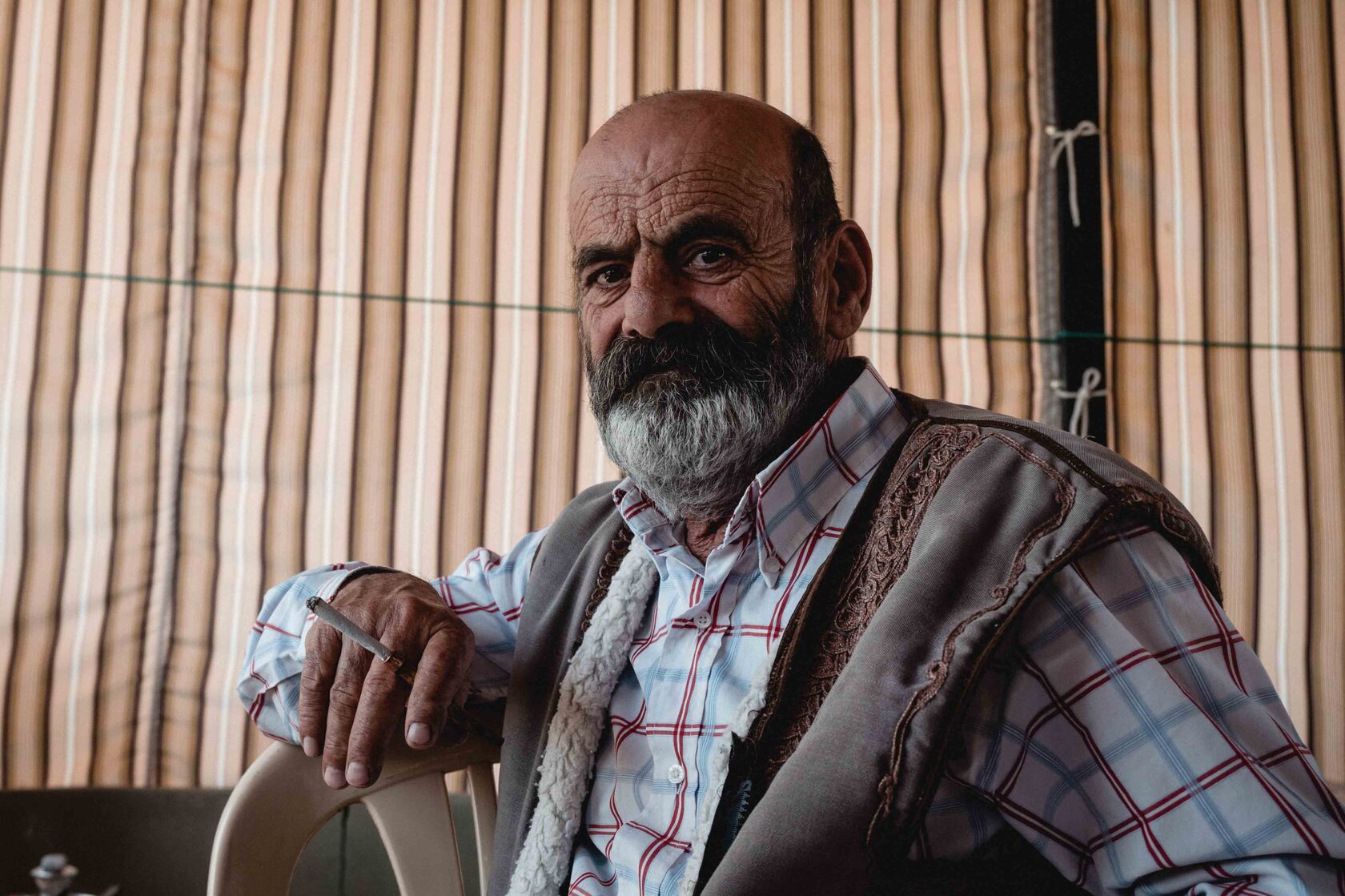
Where to Stay in Lebanon
Accommodation in Lebanon is unfortunately not as cheap as many travelers might expect. Due to the economic situation, inflation, and the limited number of budget options available, finding affordable places to stay can sometimes be challenging.
In this article, you will find our recommended accommodations in Tripoli, Batroun, Byblos (Jbeil), Baalbek, Ain Dara, Zahle, Bcharre, Kfardebian (chalets), Beirut, Sidon (Saida), and Tyre (Sour). We regularly update this list as we discover new places and receive feedback from fellow travelers.
Find them all on Google maps by clicking here.
We count on you to let us know if any prices have changed, and we would be happy to add any of your own suggestions to the list.
In this article, you will find our recommended accommodations in Tripoli, Batroun, Byblos (Jbeil), Baalbek, Ain Dara, Zahle, Bcharre, Kfardebian (chalets), Beirut, Sidon (Saida), and Tyre (Sour). We regularly update this list as we discover new places and receive feedback from fellow travelers.
Find them all on Google maps by clicking here.
We count on you to let us know if any prices have changed, and we would be happy to add any of your own suggestions to the list.
Getting around Lebanon: transportation tips
From Beirut Airport to the City Center
You can take a minivan, this is your cheapest option:
Departure point: Next to the President Bechara statue
Drop-off point: Upper car park of the airport
One-way fare: 200,000 LBP (a bit more then 2$)
From 6am to 8pm
Contact: Marwan +961 71 529 069
During daytime, Marwan can even pick you up from Dawra or Karantyna
You can also order a taxi: Relax Taxi Beirut is the most affordable option.
One-way fare: 13$
Contact: +9613952293
Departure point: Next to the President Bechara statue
Drop-off point: Upper car park of the airport
One-way fare: 200,000 LBP (a bit more then 2$)
From 6am to 8pm
Contact: Marwan +961 71 529 069
During daytime, Marwan can even pick you up from Dawra or Karantyna
You can also order a taxi: Relax Taxi Beirut is the most affordable option.
One-way fare: 13$
Contact: +9613952293
Traveling Between Cities: buses and minivans
It’s easy to travel along the coast using public buses or minibuses (Tripoli, Jbeil, Batroun, Beirut, Saida, and Tyre). For destinations farther from Beirut, use Uber if it’s relatively close. Otherwise, a private driver is your best option.
Hitchhiking is not common in Lebanon and is generally frowned upon by locals, who don’t fully understand the concept.
Hitchhiking is not common in Lebanon and is generally frowned upon by locals, who don’t fully understand the concept.
Tripoli
You will arrive and leave Tripoli for Al Nour Square
The ride Tripoli-Beirut costs 300,000 LBP.
The ride Tripoli-Beirut costs 300,000 LBP.
Beirut
Beirut (Heading North – Tripoli, Byblos, Batroun)
Go to Doura Square to catch a minivan.
From Beirut to Tripoli:
The journey costs 300,000 LBP.
Beirut (Heading South – Sidon and Tyre or Bekaa region)
Beirut → Sidon (Saida)
The journey costs 300,000 LBP.
Sidon (Saida) → Sour (Tyre)
Minibuses leave from the main bus station near Najmeh Square. The journey costs around 300,000 LBP.
The journey costs 600,000 LBP.
Chtoura → Baalbek
The journey costs 350,000 LBP.
Go to Doura Square to catch a minivan.
From Beirut to Tripoli:
The journey costs 300,000 LBP.
Beirut (Heading South – Sidon and Tyre or Bekaa region)
- From Cola Station, you can find minibuses going to the South of Lebanon (Sidon and Sour/Tyre), the Beqaa Valley, and also shared taxis heading to Damascus, Syria.
Beirut → Sidon (Saida)
The journey costs 300,000 LBP.
Sidon (Saida) → Sour (Tyre)
Minibuses leave from the main bus station near Najmeh Square. The journey costs around 300,000 LBP.
- From Mar Mkhayel Church , you can go directly to Baalbek for
The journey costs 600,000 LBP.
Chtoura → Baalbek
The journey costs 350,000 LBP.
- From this Safara (near Kuwait ambassy), you can take a minibus directly to the city of Sour (Tyre) for around 500,000 LBP. The minivan also stops in Saida.
Baalbek
Two main locations. One is next to the temples in front of Palmyra Hotel, the other one in Douris:
Location 1
Location 2
Location 1
Location 2
Saida
You will arrive and leave from Nejmeh square in Saida.
To go to Beirut or Sour, except to pay 300,000 LBP per person
To go to Beirut or Sour, except to pay 300,000 LBP per person
Tyre/Sour
You will arrive and leave from El buss in Sour.
To reach the center or take a taxi for approximately 200,000 LBP per person.
Sour → Saida: 300,000 LBP per person.
Sour → Beirut: between 500,000 LBP to 600,000 LBP per person.
To reach the center or take a taxi for approximately 200,000 LBP per person.
Sour → Saida: 300,000 LBP per person.
Sour → Beirut: between 500,000 LBP to 600,000 LBP per person.
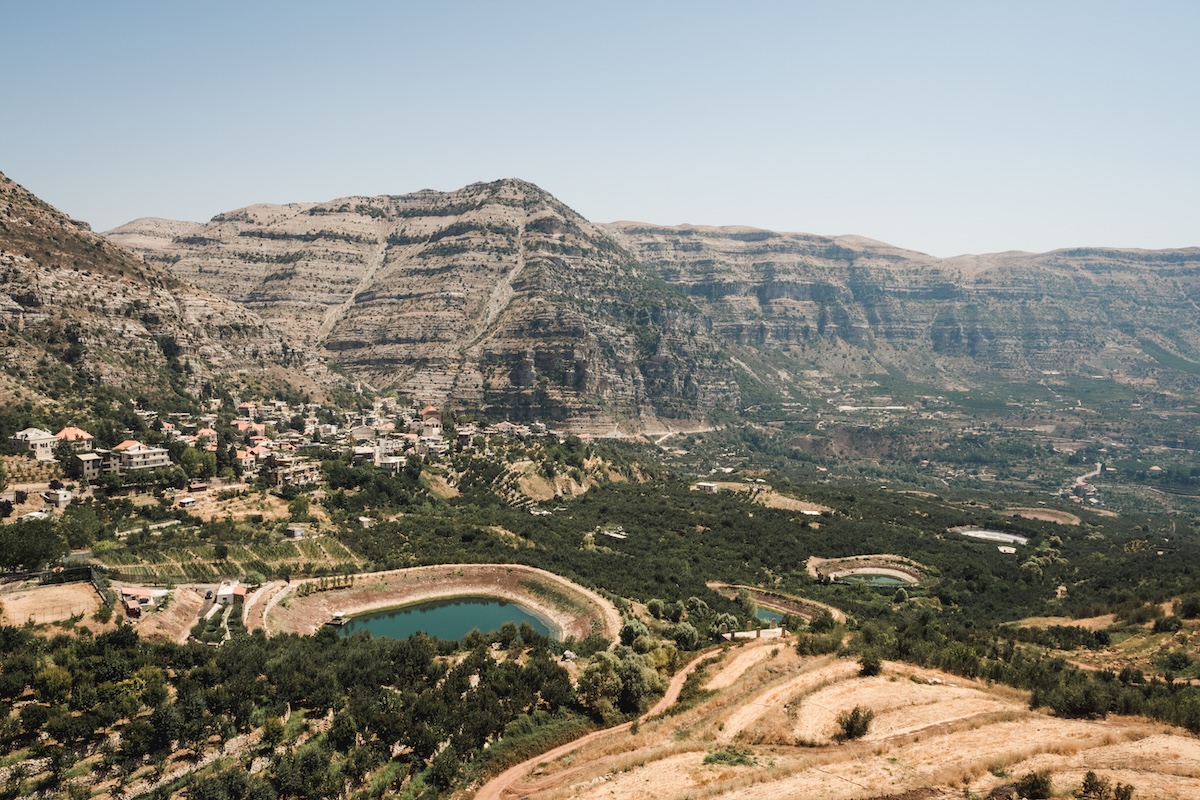
Aaqoura, Lebanon - Manon Roca
Renting a Car in Lebanon
Driving conditions can be chaotic compared to the EU with a lot of unpredictable traffic. If you rent a car, consider a driver, especially as a newcomer.
Taxis and Ride-Hailing Apps
Uber, Bolt, and Allo Taxi, are the apps we use. Don’t be surprised if taxi drivers in Beirut ask for a minimum fare of $5, the taxi apps haven’t updated their prices to reflect the current value of the Lebanese pound in years.
On those apps, drivers usually ask for a minimum fare of $5, even if the app shows less. This is because the app hasn’t updated the prices in a long time.
You can also use Indrive, where you can set up the price you want, and even go with a motobike!
Taxi meters do not exist in Lebanon. If you take a regular taxi, make sure to agree on the fare with the driver beforehand.
In Beirut, a public bus service has been introduced. We encourage you to download the following app to access available bus routes and schedules: ACTC PT Lebanon.
Official website: https://actc-international.com
On those apps, drivers usually ask for a minimum fare of $5, even if the app shows less. This is because the app hasn’t updated the prices in a long time.
You can also use Indrive, where you can set up the price you want, and even go with a motobike!
Taxi meters do not exist in Lebanon. If you take a regular taxi, make sure to agree on the fare with the driver beforehand.
In Beirut, a public bus service has been introduced. We encourage you to download the following app to access available bus routes and schedules: ACTC PT Lebanon.
Official website: https://actc-international.com
Private drivers in Lebanon
We can recommend two trustworthy drivers
Here’s his WhatsApp number: +961 3 074 647.
Feel free to contact him and mention you are coming from Manon Roca.
- Philippe, who speaks fluent French, English, Spanish, and of course Arabic.
Here’s his WhatsApp number: +961 3 074 647.
Feel free to contact him and mention you are coming from Manon Roca.
- Ali, who speaks fluent French, English, and Arabic too
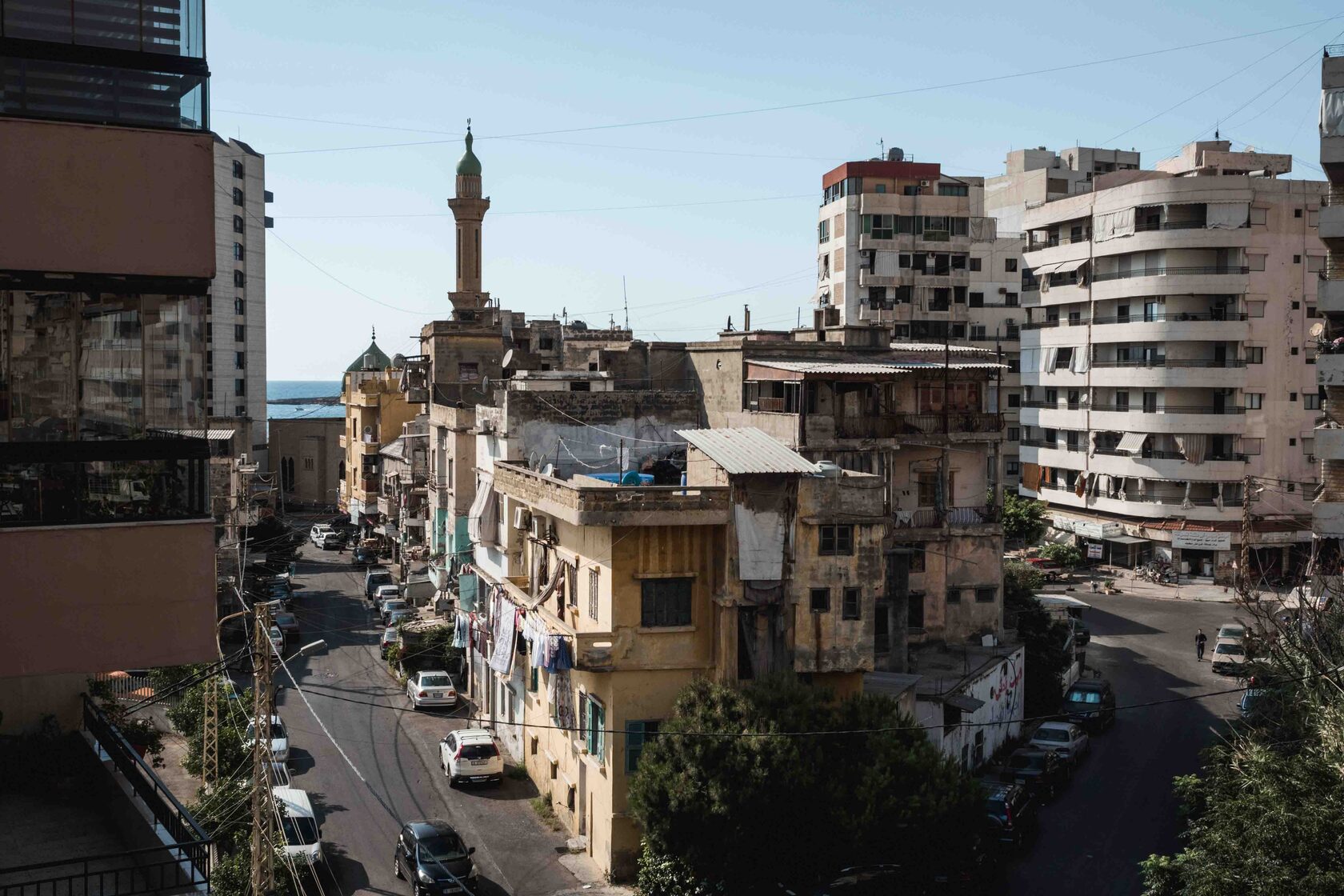
Saida, Lebanon - Manon Roca
Best places to vist in Lebanon
Full article here
Lebanon may be a small country, the size of just two French departments, but it offers an incredible diversity of landscapes, cultures, and historical sites. In just four hours of driving (without traffic, which usually only happens late at night or on Sunday mornings!), you can travel from the northern mountains to the southern Mediterranean coast.
Whether you are interested in history, vibrant cities, beautiful beaches, hiking, food, religious sites, or simply meeting locals, Lebanon has something to offer every type of traveler. Throughout this guide, we share our favorite places across the country, from iconic landmarks to lesser-known gems that deserve far more attention..
Our recommendations cover Beirut, Tripoli, Batroun, Byblos (Jbeil), Bsharri and the Qadisha Valley, Tannourine, Jabal Moussa, Baalbek, Anjar, Deir El Qamar, Beiteddine, Sidon (Saida), Jezzine, Tyre (Sour), and many more places worth discovering.
If you are planning to spend the night in any of these destinations, don't forget to check out our dedicated Where to Stay in Lebanon guide, where we have listed our recommended hotels, hostels, guesthouses, and chalets across the country, along with prices, contact details, and other practical information.
Lebanon may be a small country, the size of just two French departments, but it offers an incredible diversity of landscapes, cultures, and historical sites. In just four hours of driving (without traffic, which usually only happens late at night or on Sunday mornings!), you can travel from the northern mountains to the southern Mediterranean coast.
Whether you are interested in history, vibrant cities, beautiful beaches, hiking, food, religious sites, or simply meeting locals, Lebanon has something to offer every type of traveler. Throughout this guide, we share our favorite places across the country, from iconic landmarks to lesser-known gems that deserve far more attention..
Our recommendations cover Beirut, Tripoli, Batroun, Byblos (Jbeil), Bsharri and the Qadisha Valley, Tannourine, Jabal Moussa, Baalbek, Anjar, Deir El Qamar, Beiteddine, Sidon (Saida), Jezzine, Tyre (Sour), and many more places worth discovering.
If you are planning to spend the night in any of these destinations, don't forget to check out our dedicated Where to Stay in Lebanon guide, where we have listed our recommended hotels, hostels, guesthouses, and chalets across the country, along with prices, contact details, and other practical information.
Where to Eat in Lebanon: our favorite restaurants, cafés & bars
Our favorite places to eat here
Lebanon is famous for having one of the richest and most diverse cuisines in the Middle East. Whether you're enjoying a simple street-food shawarma, sharing a traditional mezze with friends, or dining in a fine restaurant overlooking the Mediterranean, food is an essential part of the Lebanese experience.
Some of the country's most iconic dishes include:
Mezze (Appetizers) - Lebanese Sharing Dishes
Grilled Meats - Lebanese BBQ
Seafood - Mediterranean Flavors
Street Food - Quick Lebanese Classics
Stews & Hot Dishes - Traditional Meals
Sweets & Desserts - Lebanese Treats
Drinks - Traditional Lebanese Drinks
Are vegetarian and vegan options available?
Yes. Lebanese cuisine is very vegetarian-friendly thanks to its rich mezze culture, with many naturally plant-based dishes available.
In our dedicated article, we share our favorite addresses: from small family-run restaurants and hidden local gems to trendy cafés, rooftop bars, and places with spectacular views.
Lebanon is famous for having one of the richest and most diverse cuisines in the Middle East. Whether you're enjoying a simple street-food shawarma, sharing a traditional mezze with friends, or dining in a fine restaurant overlooking the Mediterranean, food is an essential part of the Lebanese experience.
Some of the country's most iconic dishes include:
Mezze (Appetizers) - Lebanese Sharing Dishes
- Hummus
- Baba Ghanoush (Moutabbal)
- Muhammara
- Labneh
- Tabbouleh
- Fattoush
- Warak Enab (stuffed vine leaves)
- Sambousek
- Foul Mdammas
Grilled Meats - Lebanese BBQ
- Shish Taouk (chicken skewers)
- Kafta (spiced minced meat)
- Lamb Chops
- Sujuk
- Makanek (Lebanese sausages) : one of my favorites!
- Basterma
Seafood - Mediterranean Flavors
- Samke Harra (spicy fish)
- Grilled Shrimp
- Calamari
Street Food - Quick Lebanese Classics
- Manakish (with za’atar, cheese, or meat)
- Falafel
- Saj Bread Wraps
- Shawarma
Stews & Hot Dishes - Traditional Meals
- Kibbeh
- Moussaka
- Bamieh (okra stew)
- Riz bi Laban
Sweets & Desserts - Lebanese Treats
- Knefeh (often eaten for breakfast in Lebanon, and VERY sweet!)
- Mafroukeh
- Halawet El Jibn
- Baklava
- Maamoul
- Atayef
- Znoud El Sit
Drinks - Traditional Lebanese Drinks
- Arak (anise spirit)
- Fresh Mint Lemonade
- Jallab
Are vegetarian and vegan options available?
Yes. Lebanese cuisine is very vegetarian-friendly thanks to its rich mezze culture, with many naturally plant-based dishes available.
In our dedicated article, we share our favorite addresses: from small family-run restaurants and hidden local gems to trendy cafés, rooftop bars, and places with spectacular views.
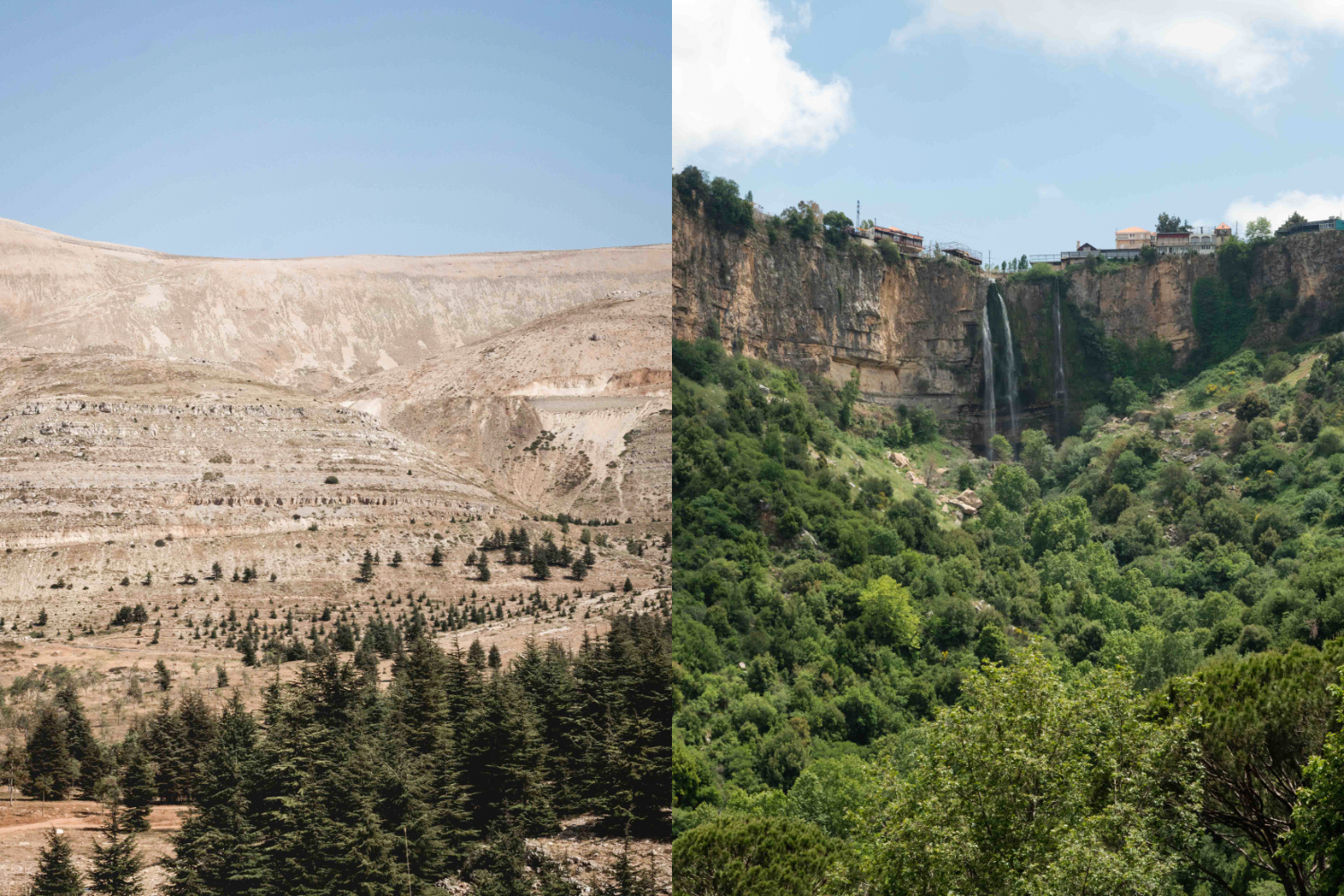
On the left: Kadisha valley, Lebanon - Manon Roca
On the right: Jezzine, Lebanon - Manon Roca
FAQ
Is tap water safe to drink?
No, stick to bottled water.
How’s the weather?
Lebanon has a warm Mediterranean weather most of the year, but don’t let that fool you! Due to the varied geography of the country (Very mountainous, large coast, and flat fields), the weather can greatly vary depending on the area. In the mountains temperatures can go down to -20 degrees celsius in winter, and it could go all the way up to 40 degrees on a hot summer day on the coast! So be prepared for all kinds of weather depending on the season!
What should I pack?
• Cash preferably US Dollars
• Power bank and small torch for power outages
• Travel insurance with emergency coverage
Is travel insurance required?
It’s highly recommended, especially given the variability of healthcare access and infrastructures.
No, stick to bottled water.
How’s the weather?
Lebanon has a warm Mediterranean weather most of the year, but don’t let that fool you! Due to the varied geography of the country (Very mountainous, large coast, and flat fields), the weather can greatly vary depending on the area. In the mountains temperatures can go down to -20 degrees celsius in winter, and it could go all the way up to 40 degrees on a hot summer day on the coast! So be prepared for all kinds of weather depending on the season!
What should I pack?
• Cash preferably US Dollars
• Power bank and small torch for power outages
• Travel insurance with emergency coverage
Is travel insurance required?
It’s highly recommended, especially given the variability of healthcare access and infrastructures.
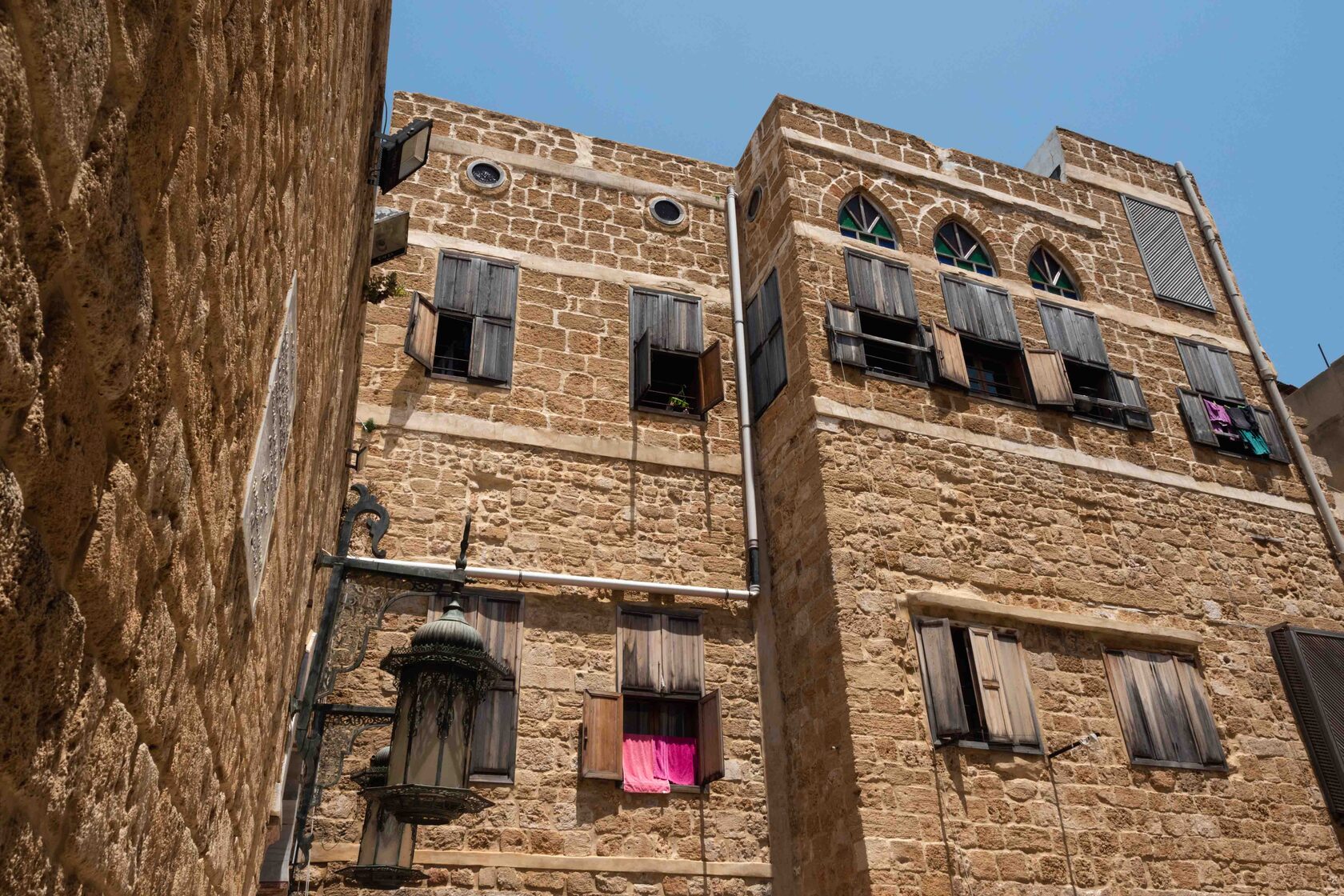
Saida - Manon Roca
Where to swim in Lebanon
Lebanon’s coastline is one of the country’s biggest treasures. During summer, there is nothing better than escaping the heat and spending the day by the Mediterranean, whether on a sandy beach in the South, a rocky spot around Batroun, or a hidden swimming area between the mountains and the sea.
With more than 200 km of coastline, Lebanon offers many different seaside experiences. However, water quality can vary greatly from one beach to another, so choosing the right spot is important.
In this article, we share our favorite places to swim, combining official water quality assessments with our own experiences and recommendations from locals.
With more than 200 km of coastline, Lebanon offers many different seaside experiences. However, water quality can vary greatly from one beach to another, so choosing the right spot is important.
In this article, we share our favorite places to swim, combining official water quality assessments with our own experiences and recommendations from locals.
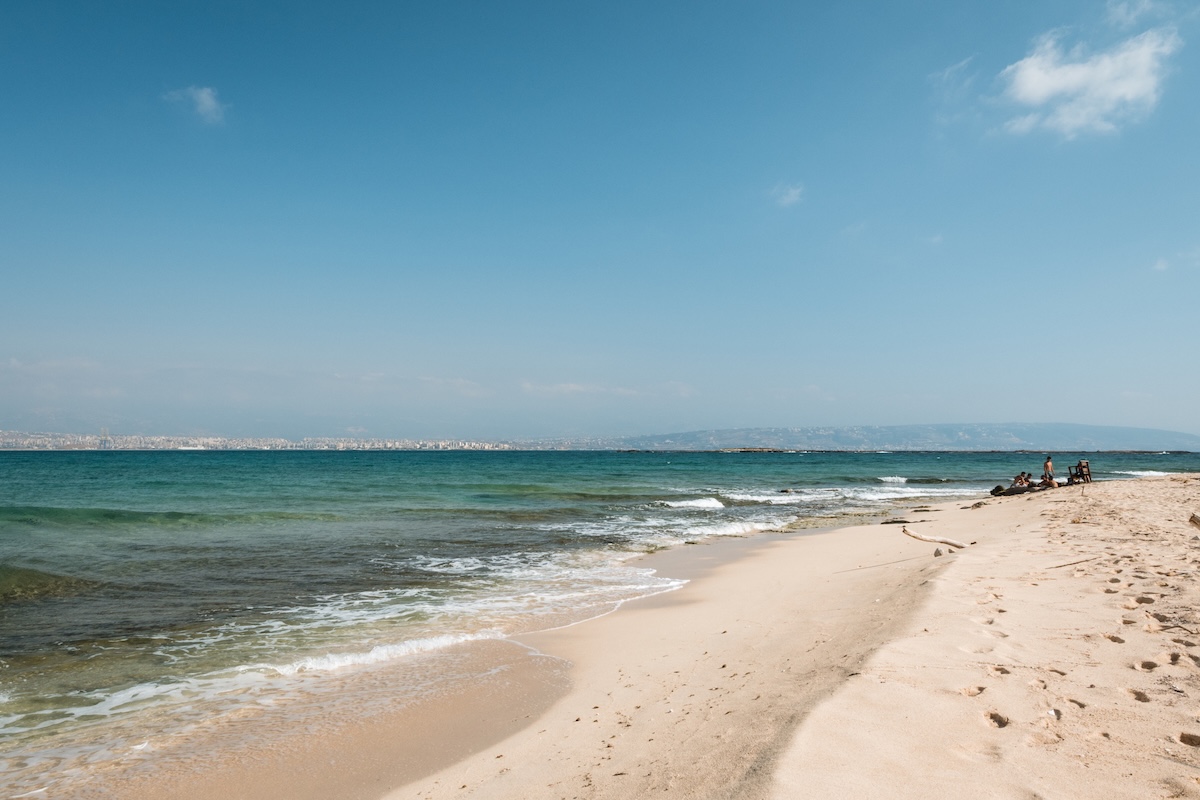
Rabbit island, Tripoli - Manon Roca
Thanks a lot to all the contributors to this guide, from our “Traveler Community Middle East”
- Hassan, you can find him on Couchsufing
- Nazih, owner of City Hostel in Tripoli.
- Moudi, connect on Instagram
- Manon Roca, founder of the Traveler Community and co-founder of Walk beside.