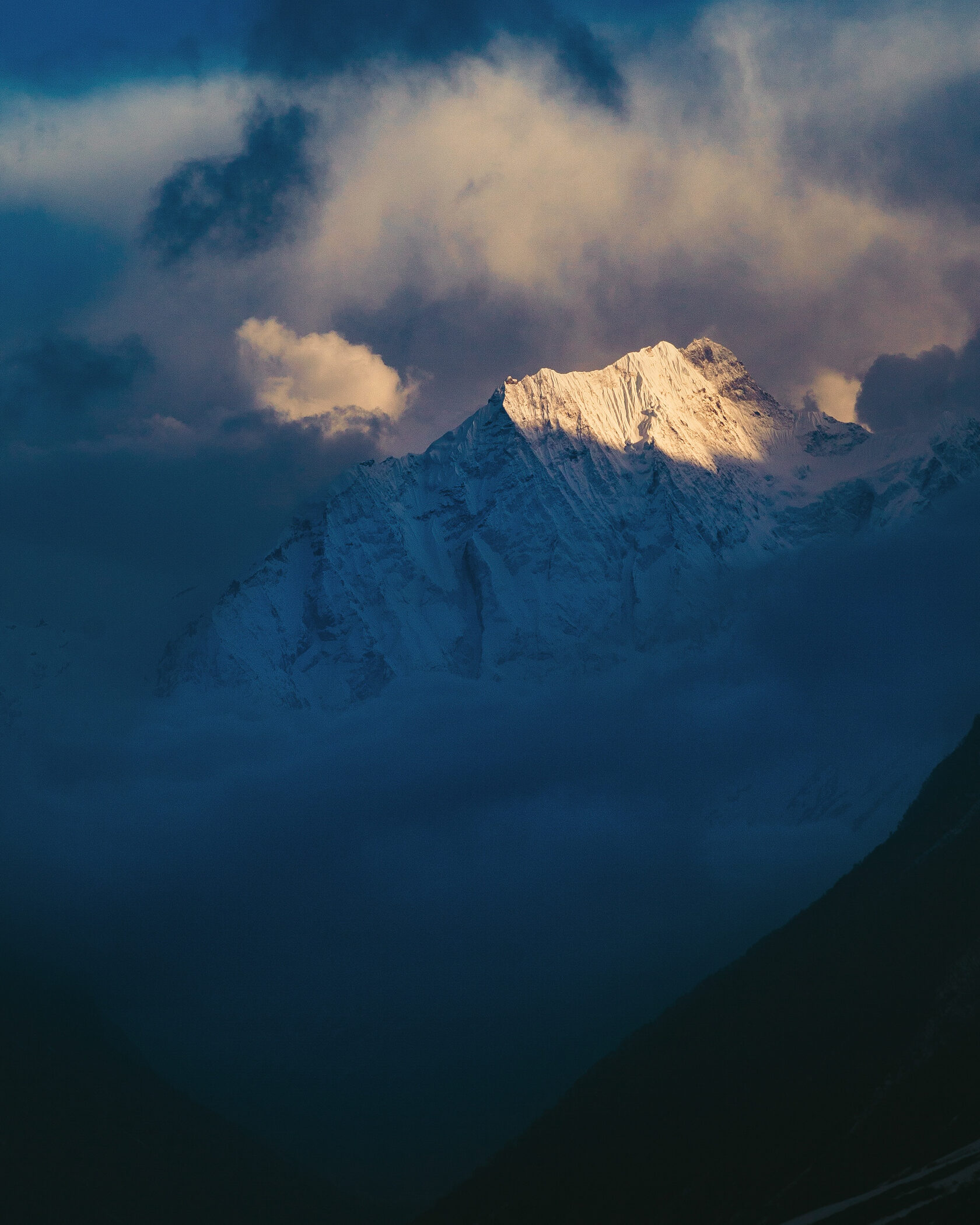
Manaslu Circuit Trek – A Complete Itinerary Through the Hidden Himalaya
There are places in the world where the landscape is impressive. And then there are places where everything nature, culture, silence comes together into something much deeper.
The Manaslu Circuit is one of those rare journeys until now.
After more than 10 years of traveling through remote regions, I can say this with confidence: Manaslu is not just a trek. It’s a slow transition into a different world one shaped by Tibetan culture, there you really witness the beauty of the Tibetans and almost the last hour while you can do this trek, it is getting way too popular. Throughout it changes this probably will be the new Annapurna trek in the following years. If you want discover other places where you can witness the Tibetan culture go to this post: Travel report - Sichuan Cultural Tibet
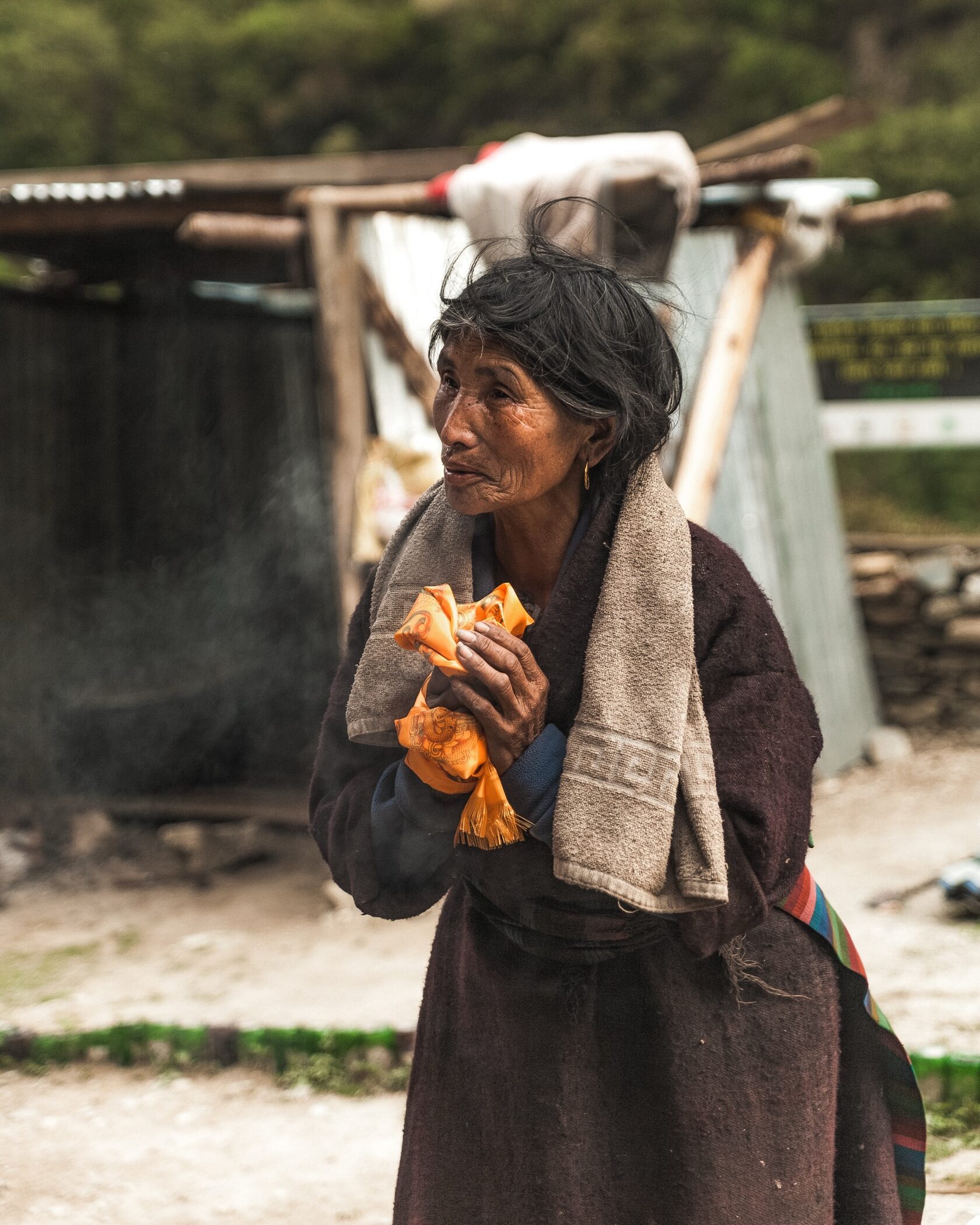
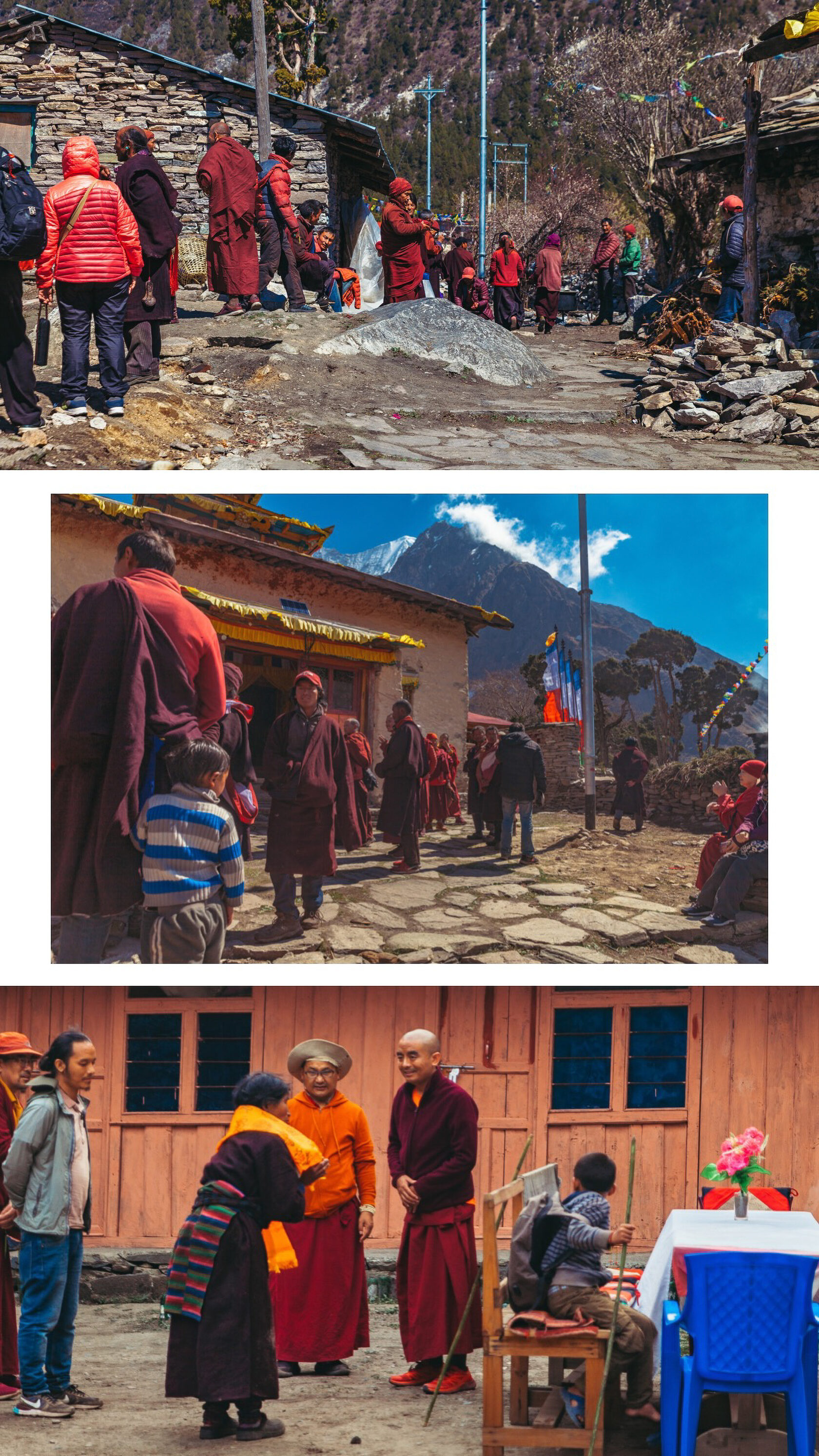
An old lady waiting to meet with - Yongey Mingyur Rinpoche
Finally they met!
Interestingly you might meet with Yongey Mingyur Rinpoche's name in somewhere around, he is quite ambitious, and try to introduce Buddhism to the western world with his own thoughts on it, so it adapts the the society lifestyle what I personally really appreciate and it shows, we don't need to stick on old things while we can adapt and adjust without loosing the core meaning.
Cost Overview (2026)
Permits (per person)
For a standard 12 to 14 day Manaslu Circuit in spring Restricted Area Permit 100 USD for 7 days (plus around 15 USD per extra day) Manaslu Conservation Area Permit around 3000 NPR which is about 23 USD Annapurna Conservation Area Permit around 3000 NPR which is about 23 USD Local municipality fee around 1000 NPR about 8 USD
Total permit cost: roughly 220 to 260 USD per person
Guide cost (mandatory): You cannot do Manaslu without a licensed guide Average price: 25 to 35 USD per day For a 12 to 14 day trek 300 to 500 USD total
Most agencies include permits + guide together: I’m not going to suggest our agency, because we were not happy with them, but at least we gave some job to a local guy, who was nice.
Why This Version of the Itinerary?
We did it a little bit different, but as of now I would do it in this way. I don't feel to walk on a dirt road for two days. Most itineraries break the trek into shorter days early on. But if you’re relatively fit and want a smoother rhythm later, it makes sense to:
Take a jeep all the way to Jagat (saving 2 trekking days)
Push further directly to Samagaon, making the cultural immersion stronger and more continuous
This version is slightly more demanding early onbut much more rewarding overall.
Trek Overview
Duration: 11–14 days
Max altitude: Larkya La Pass (5,160m)
Difficulty: Moderate to challenging
Best seasons: Spring & Autumn
Style: Teahouse trekking
Focus: Strong Tibetan cultural experience
Detailed Itinerary
Day 1 – Arrival in Kathmandu (1,400m) Arrival, permits, gear prep. Kathmandu is chaotic but that chaos fades quickly once you leave.
Day 2 – Jeep to Jagat (1,340m) 8–10 hours drive This is not a comfortable ride but it’s part of the experience. You leave the city early, and slowly the road turns rough, dusty, and wild. You follow rivers, pass landslides, and drive through small villages that already feel far from modern Nepal. By the time you reach Jagat, you’re already deep in the mountains and importantly, inside the restricted Manaslu region.
Day 3 – Jagat to Deng (1,860m) 6–7 hours trekking A long but beautiful first day. You walk along the Budhi Gandaki River, crossing suspension bridges and climbing through narrow gorges. The trail constantly goes up and down. Somewhere along the way, things start to change: Mani stones, prayer flags stretch across the valley and the villages begin to feel more Tibetan You sleep in Deng, a quiet stop with a different atmosphere than lower Nepal.
Day 4 – Deng to Namrung (2,630m) 6–7 hours The valley opens slightly, and the mountains begin to feel closer. You pass through forests and small settlements, and the architecture shifts more clearly toward Tibetan style stone houses, flat roofs, carved windows. Namrung feels calmer, colder, and more remote.
Day 5 – Namrung to Samagaon (3,530m) 7–8 hours (long push day) This is where we skip the usual stop in Lho but it’s worth mentioning: You can stay in Lho (3,180m), and many itineraries do. It offers beautiful views of Manaslu and a monastery. But pushing directly to Samagaon gives you more time in the cultural heart of the region. The day is long but incredibly rewarding. You pass:
Lho village first big views of Manaslu
Shyala wide open valley with dramatic mountain panorama
And finally, you arrive in Samagaon the soul of the Manaslu Circuit.
Day 6 – Acclimatization in Samagaon Optional hikes: 3–6 hours This is not just a rest day. This is where the trek becomes something more. Options:
Manaslu Base Camp (challenging)
Pungyen Gompa (easier, very atmospheric)
But honestly, one of the best things you can do is stay in the village:
Watch daily life
Talk to locals
Sit in silence
This is a Tibetan village in every sense.
Day 7 – Samagaon to Samdo (3,875m) 3–4 hours (short but high altitude) A shorter day, but you feel the altitude now. The landscape becomes harsher, more open, almost desert-like. Fewer trees, more wind. Samdo is incredibly remote close to the Tibetan border. People here are traders, herders, survivors.
Day 8 – Acclimatization in Samdo 3–5 hours optional hike One of the acclimatisation day is possible to skip, if you are feeling well and you are aware of high altitude in general. (I was trekking in the Himalayas beforehand in India) Hike toward the Tibetan border or to a viewpoint. Big landscapes. Strong winds. Silence. This is one of the most raw places on the trek.
Day 9 – Samdo to Dharamsala (4,460m) 3–4 hours A short but important day. You move slowly. The air is thin. The landscape feels almost lunar. Dharamsala is basic just enough to sleep before the pass.
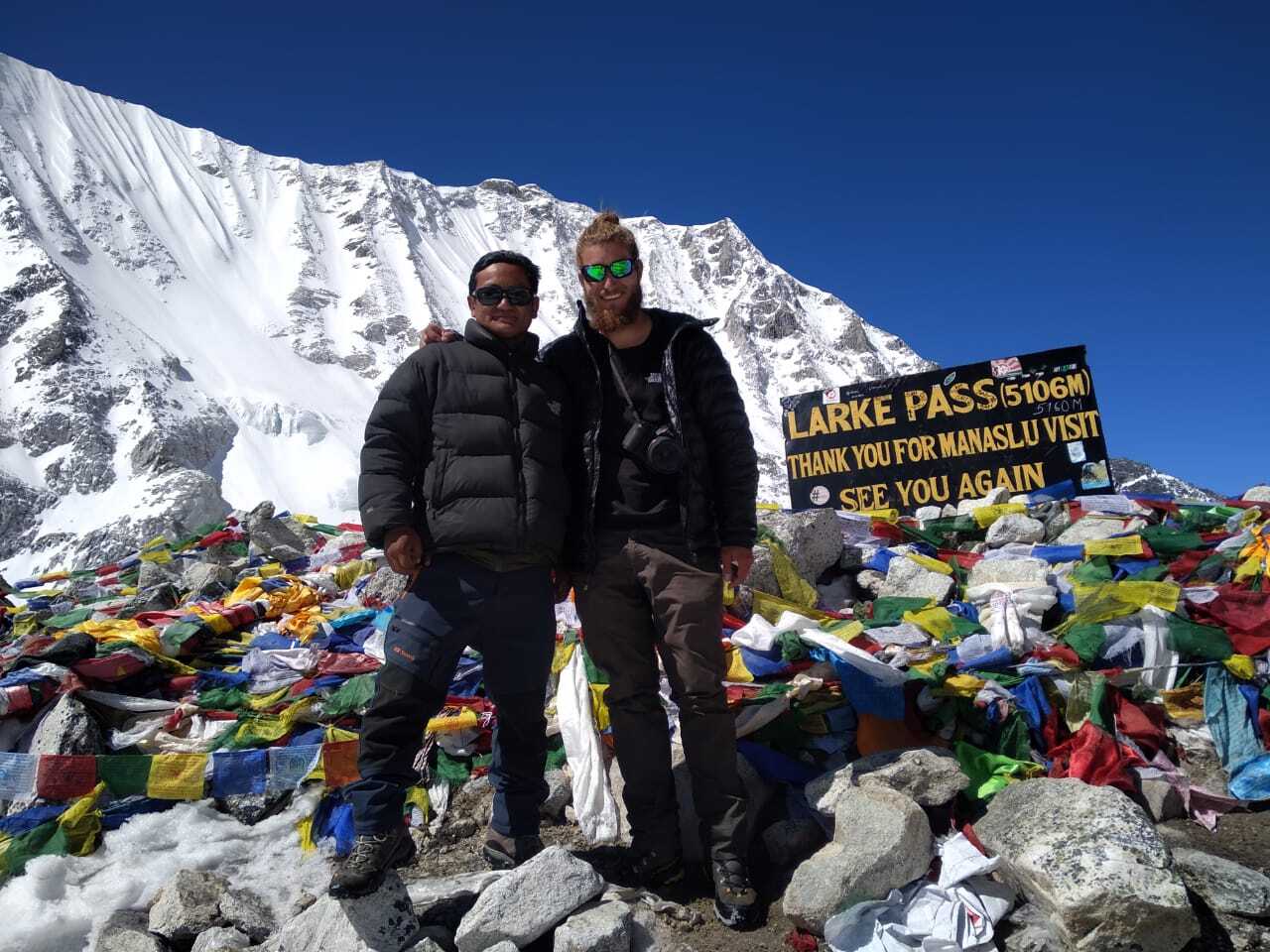
Day 10 – Larkya La Pass (5,160m) → Bimthang (3,590m) 8–10 hours (long + hard day) The biggest day of the trek. You start before sunrise more like1am.
Slow climb
Freezing temperatures
Endless switchbacks
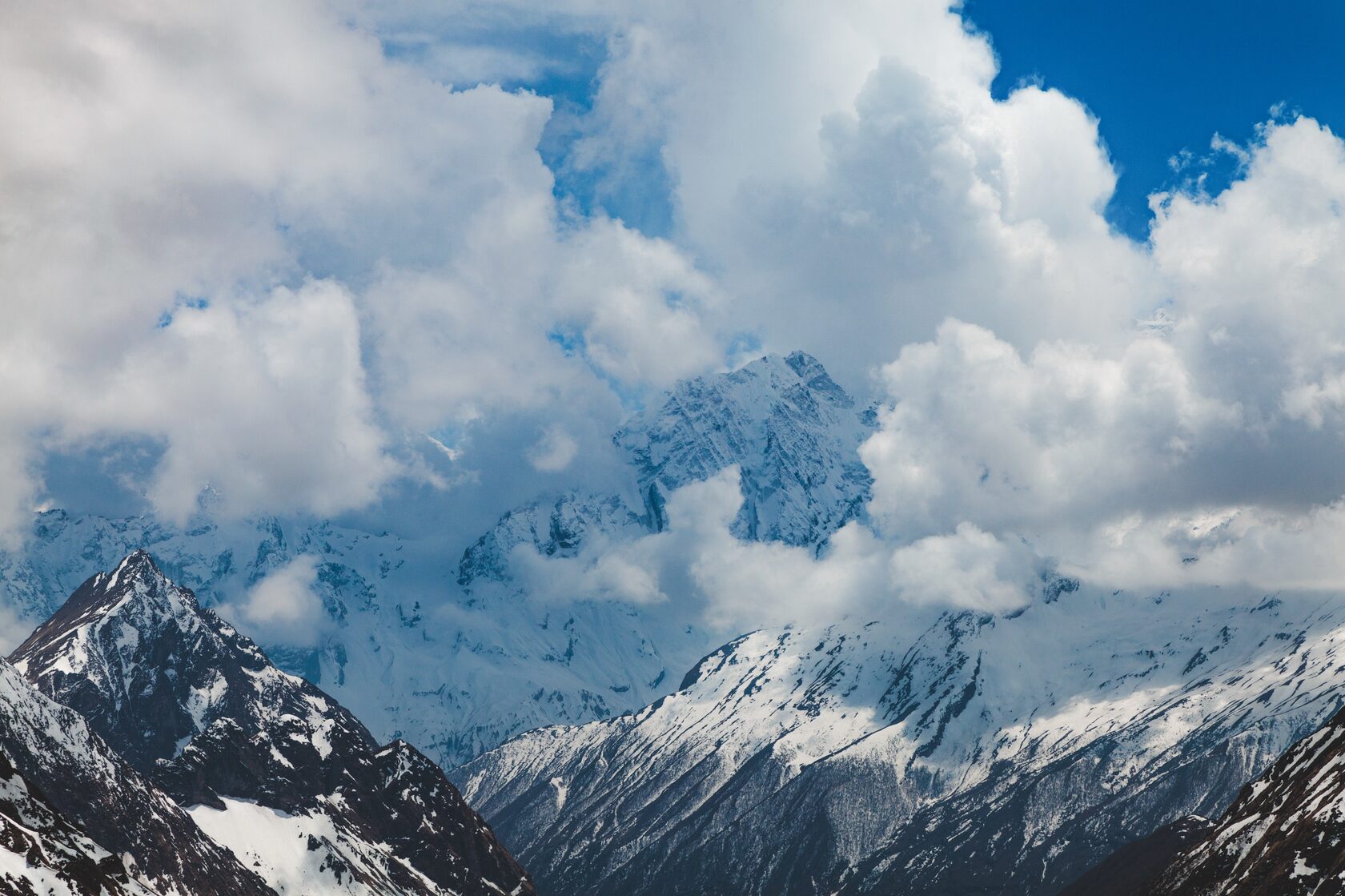
Then suddenly you’re at the top. The view is massive. Not dramatic in a loud way but overwhelming in scale. Descending is long and can be tiring, but reaching Bimthang feels like entering another world again green, soft, almost gentle.
Larke Pass - 5160m
Day 11 – Bimthang to Tilije (2,300m) 6–7 hours Back into forests. The air is warmer. Trees return. Rivers get louder. After days of high altitude silence, this feels almost alive again.
Day 12 – Drive back (via Dharapani) 6–8 hours The loop closes. From isolation back to reality.
The Tibetan Culture – The Real Highlight
Above Namrung, everything changes. This is no longer just Nepal it’s culturally Tibetan. In places like Samagaon and Samdo:
Buddhism shapes daily life
Prayer flags are everywhere
Yaks are essential
People live with the mountains, not against them
There is no performance here.
Final Thoughts The Manaslu Circuit is not about rushing, but you enter probably to the last moment while is not flooding with tourists. I was able to do it 2019 literally 2 other small group of tourist were there. Now from my friends and guides report it is getting busy. So use your last 4 season while you can do it and don't hesitate, you are in enough good shape. Taking the jeep to Jagat and pushing to Samagaon early doesn’t make the trek easier, but you cut the boring part. More time where it matters. Because in the end, you won’t remember just the pass. You’ll remember:
the silence in Samdo
the faces in Samagaon
the feeling of being far away from everything
And somehow, closer to what matters.
If you want to join our expeditions, around the world click here, we still try to find the right places, what is still unique and authentic in its own way.