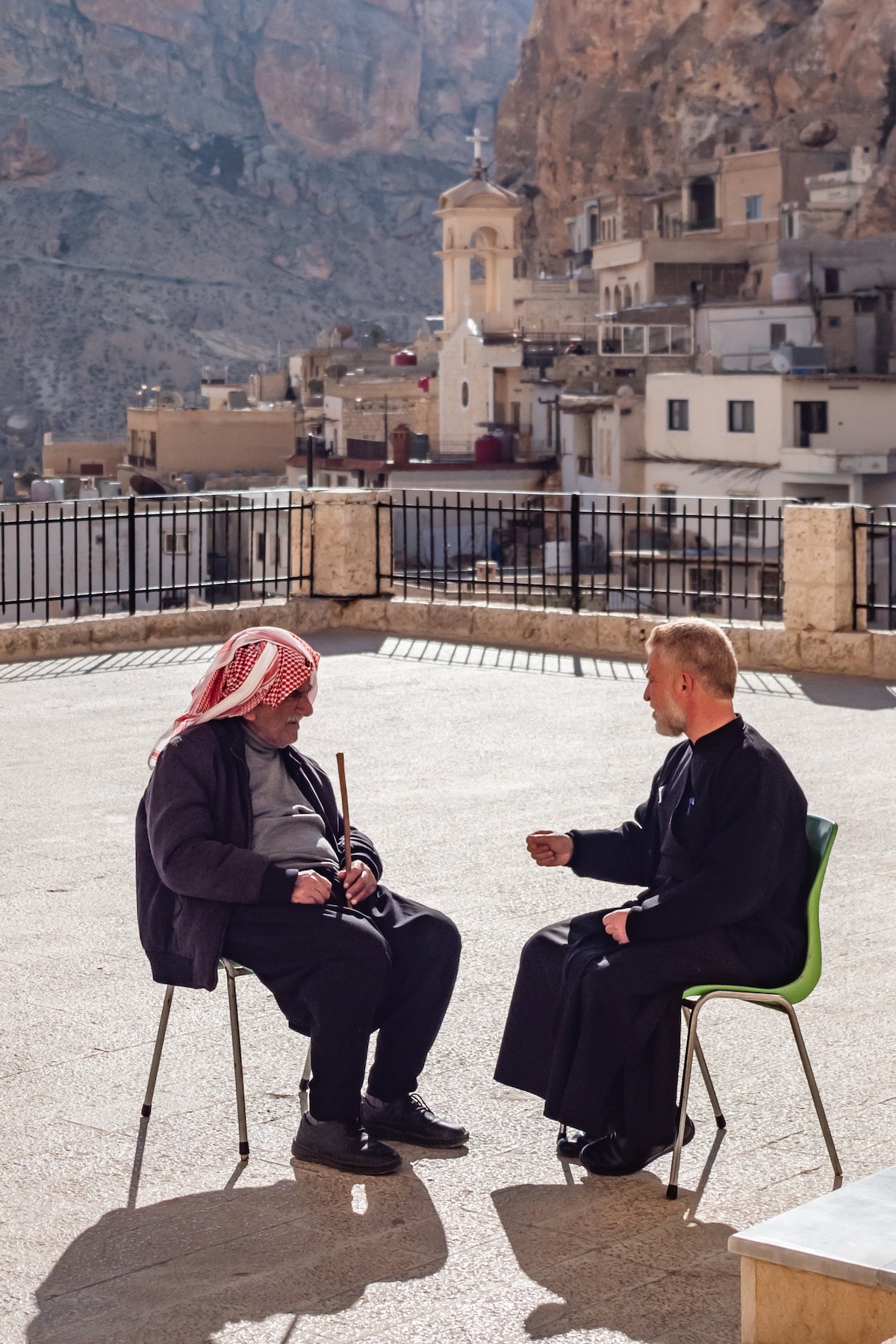
Welcome to our community travel guide to Syria.
I was among the first travelers to visit Syria after the fall of Bashar al-Assad’s regime. Shortly after returning, I created a group chat to connect fellow travelers and make sharing information easier. Almost a year later, this community has allowed us to exchange experiences, tips, contacts, and up-to-date insights that are often difficult to find elsewhere. Through these collective conversations, we have learned so much that I decided to turn all this shared knowledge into a practical and accessible guide.
This travel guide is the result of that community effort, created to make your journey to Syria smoother, safer, and more informed.
I was among the first travelers to visit Syria after the fall of Bashar al-Assad’s regime. Shortly after returning, I created a group chat to connect fellow travelers and make sharing information easier. Almost a year later, this community has allowed us to exchange experiences, tips, contacts, and up-to-date insights that are often difficult to find elsewhere. Through these collective conversations, we have learned so much that I decided to turn all this shared knowledge into a practical and accessible guide.
This travel guide is the result of that community effort, created to make your journey to Syria smoother, safer, and more informed.
In this travel guide, you will find:
Enjoy it and don't hesitate to reach out to me if you have any remarks
Manon,
- Visa requirements: how to get a visa and how to extend it
- How to get to Syria : flights, land borders & entry routes from Lebanon, Jordan, Iraq and Turkey
- How to get a SIM
- Money
- Where to stay: discover our dedicated article about the best hotels, hostels and guesthouses in Syria
- How to get around
- Traveling Syria by motorcycle
- Best places to visit: how to backpack Syria
- Working places
Enjoy it and don't hesitate to reach out to me if you have any remarks
Manon,
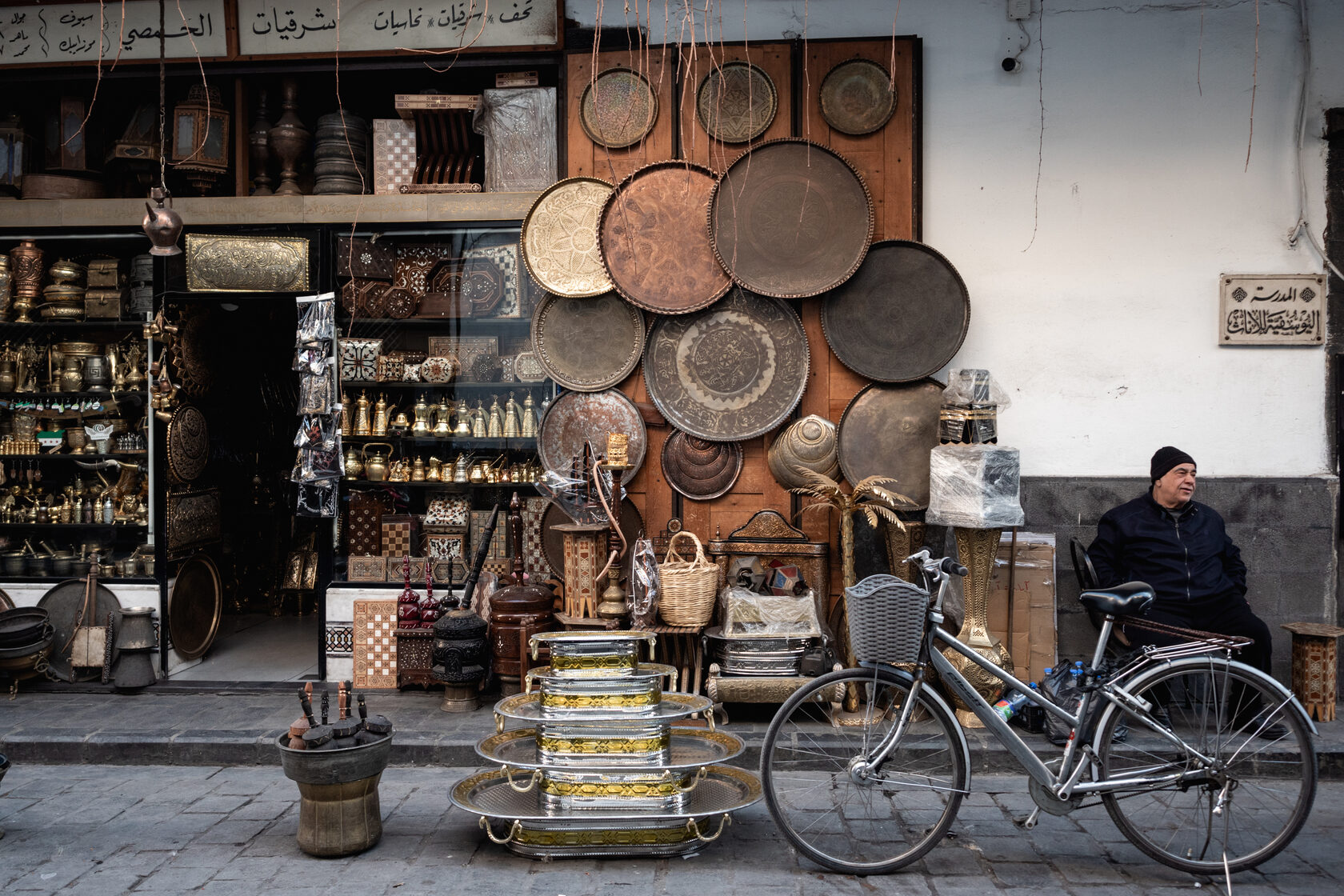
Damascus, Syria - Manon Roca
Troubleshooting in Syria
The Ministry of Tourism have launched a platform to obtain feedback and resolve issues for travellers. They are very responsive and can be contacted by:
Whatsapp: +963934137137
Unblock Syria
https://unblocksyria.com/en
A community-driven platform that tracks which international digital services are accessible in Syria and which remain blocked. The goal is to help Syrians reconnect with global services after many companies kept geographic restrictions in place even after the legal situation around sanctions changed
The Ministry of Tourism have launched a platform to obtain feedback and resolve issues for travellers. They are very responsive and can be contacted by:
Whatsapp: +963934137137
Unblock Syria
https://unblocksyria.com/en
A community-driven platform that tracks which international digital services are accessible in Syria and which remain blocked. The goal is to help Syrians reconnect with global services after many companies kept geographic restrictions in place even after the legal situation around sanctions changed
Visa requirements
The current visa system operates mainly through a visa on arrival for most nationalities, which must be paid in cash in US dollars at the border crossing. The visa fee depends on the traveler’s nationality, and we provide full details later in this document.
We would like to draw your attention to the fact that for certain nationalities (at least India and China), we have received feedback from members of the travel community indicating that they may face difficulties obtaining a visa on arrival. In some cases, it appears that a prior “approved” visa or security clearance is required, usually arranged through a local tourism agency.
However, some travelers have reportedly been able to enter without prior approval, depending largely on the border officer on duty and the specific circumstances. It can vary significantly from case to case.
We will continue to provide updates as we receive more information. It is also important to note that there is currently no official government list specifying which nationalities are subject to these additional requirements, and no publicly available official document clearly outlining these conditions.
Important notes:
We would like to draw your attention to the fact that for certain nationalities (at least India and China), we have received feedback from members of the travel community indicating that they may face difficulties obtaining a visa on arrival. In some cases, it appears that a prior “approved” visa or security clearance is required, usually arranged through a local tourism agency.
However, some travelers have reportedly been able to enter without prior approval, depending largely on the border officer on duty and the specific circumstances. It can vary significantly from case to case.
We will continue to provide updates as we receive more information. It is also important to note that there is currently no official government list specifying which nationalities are subject to these additional requirements, and no publicly available official document clearly outlining these conditions.
Important notes:
- The transit visa, is usually valid for 3 days and is only available if you enter Syria by land from Lebanon or Jordan and then leave the country towards another destination, either by land or by air.
- At the moment, multiple-entry visas and 3-month visas are only available for specific purposes, such as residency, work, or studies.
Prices shown in this order:
Single 1 month / Double 3 months / Multiple 6 months / Transit 15 days
Note about the transit visa:
Group 1: no visa required
Jordan, Lebanon, Malaysia, Mauritania
Group 2: free visa
Serbia, Montenegro
Group 3 – $25 / $40 / $50 / $15
Algeria, Angola, Azerbaijan, Botswana, Cambodia, Chad, China, Cuba, Ecuador, Egypt, Mongolia, Montenegro, Morocco, Namibia, Pakistan, Peru, Seychelles, Sri Lanka, Sudan, Tajikistan, Tanzania, Trinidad and Tobago, Tuvalu, Yemen
Group 4 – $50 / $75 / $100 / $25
Albania, Armenia, Benin, Bosnia and Herzegovina, Brazil, Burkina Faso, Cape Verde, Central African Republic, Chile, Colombia, Comoros, Côte d’Ivoire, Cyprus, Ethiopia, Gambia, Georgia, Guinea, Guyana, India, Indonesia, Iraq, Jamaica, Japan, Laos, Liberia, Libya, Luxembourg, Malawi, Mali, Mexico, Mozambique, Myanmar, Nepal, Niger, Qatar, Russia, Saudi Arabia, Senegal, Singapore, South Korea, Suriname, Eswatini, Thailand, Timor-Leste, Turkey, Turkmenistan, Uruguay, Vanuatu, Venezuela, Zambia, Zimbabwe
Group 5 – $75 / $110 / $150 / $40
Austria, Bahamas, Bahrain, Belgium, Bulgaria, Czech Republic, Denmark, Finland, France, Germany, Greece, Hungary, Iceland, Italy, Latvia, Lesotho, Lithuania, North Macedonia, Malta, Moldova, Netherlands, Oman, Paraguay, Philippines, Poland, Portugal, Romania, Slovakia, Slovenia, Somalia, South Africa, Spain, Sweden, Switzerland, Tunisia
Group 6 – $100 / $150 / $200 / $50
Canada, Djibouti, Sierra Leone, Uganda, United Arab Emirates
Group 7 – $150 / $225 / $300 / $75
Afghanistan, Argentina, Australia, Burundi, Cameroon, Dominica, Equatorial Guinea, Fiji, Ghana, Kenya, New Zealand, Nigeria, São Tomé and Príncipe, United Kingdom, Uzbekistan
Group 8 – $200 / $300 / $400 / $100
Gabon, Kyrgyzstan, United States
Group 9 – $300 / $350 / $400 / $150
Congo, Marshall Islands, North Korea
Group 10 – $400 / $500 / $800 / $250
Iran
Group 11 – $50 / $75 / $100 / $25
All other countries not listed above (including Ukraine)
Single 1 month / Double 3 months / Multiple 6 months / Transit 15 days
Note about the transit visa:
Group 1: no visa required
Jordan, Lebanon, Malaysia, Mauritania
Group 2: free visa
Serbia, Montenegro
Group 3 – $25 / $40 / $50 / $15
Algeria, Angola, Azerbaijan, Botswana, Cambodia, Chad, China, Cuba, Ecuador, Egypt, Mongolia, Montenegro, Morocco, Namibia, Pakistan, Peru, Seychelles, Sri Lanka, Sudan, Tajikistan, Tanzania, Trinidad and Tobago, Tuvalu, Yemen
Group 4 – $50 / $75 / $100 / $25
Albania, Armenia, Benin, Bosnia and Herzegovina, Brazil, Burkina Faso, Cape Verde, Central African Republic, Chile, Colombia, Comoros, Côte d’Ivoire, Cyprus, Ethiopia, Gambia, Georgia, Guinea, Guyana, India, Indonesia, Iraq, Jamaica, Japan, Laos, Liberia, Libya, Luxembourg, Malawi, Mali, Mexico, Mozambique, Myanmar, Nepal, Niger, Qatar, Russia, Saudi Arabia, Senegal, Singapore, South Korea, Suriname, Eswatini, Thailand, Timor-Leste, Turkey, Turkmenistan, Uruguay, Vanuatu, Venezuela, Zambia, Zimbabwe
Group 5 – $75 / $110 / $150 / $40
Austria, Bahamas, Bahrain, Belgium, Bulgaria, Czech Republic, Denmark, Finland, France, Germany, Greece, Hungary, Iceland, Italy, Latvia, Lesotho, Lithuania, North Macedonia, Malta, Moldova, Netherlands, Oman, Paraguay, Philippines, Poland, Portugal, Romania, Slovakia, Slovenia, Somalia, South Africa, Spain, Sweden, Switzerland, Tunisia
Group 6 – $100 / $150 / $200 / $50
Canada, Djibouti, Sierra Leone, Uganda, United Arab Emirates
Group 7 – $150 / $225 / $300 / $75
Afghanistan, Argentina, Australia, Burundi, Cameroon, Dominica, Equatorial Guinea, Fiji, Ghana, Kenya, New Zealand, Nigeria, São Tomé and Príncipe, United Kingdom, Uzbekistan
Group 8 – $200 / $300 / $400 / $100
Gabon, Kyrgyzstan, United States
Group 9 – $300 / $350 / $400 / $150
Congo, Marshall Islands, North Korea
Group 10 – $400 / $500 / $800 / $250
Iran
Group 11 – $50 / $75 / $100 / $25
All other countries not listed above (including Ukraine)
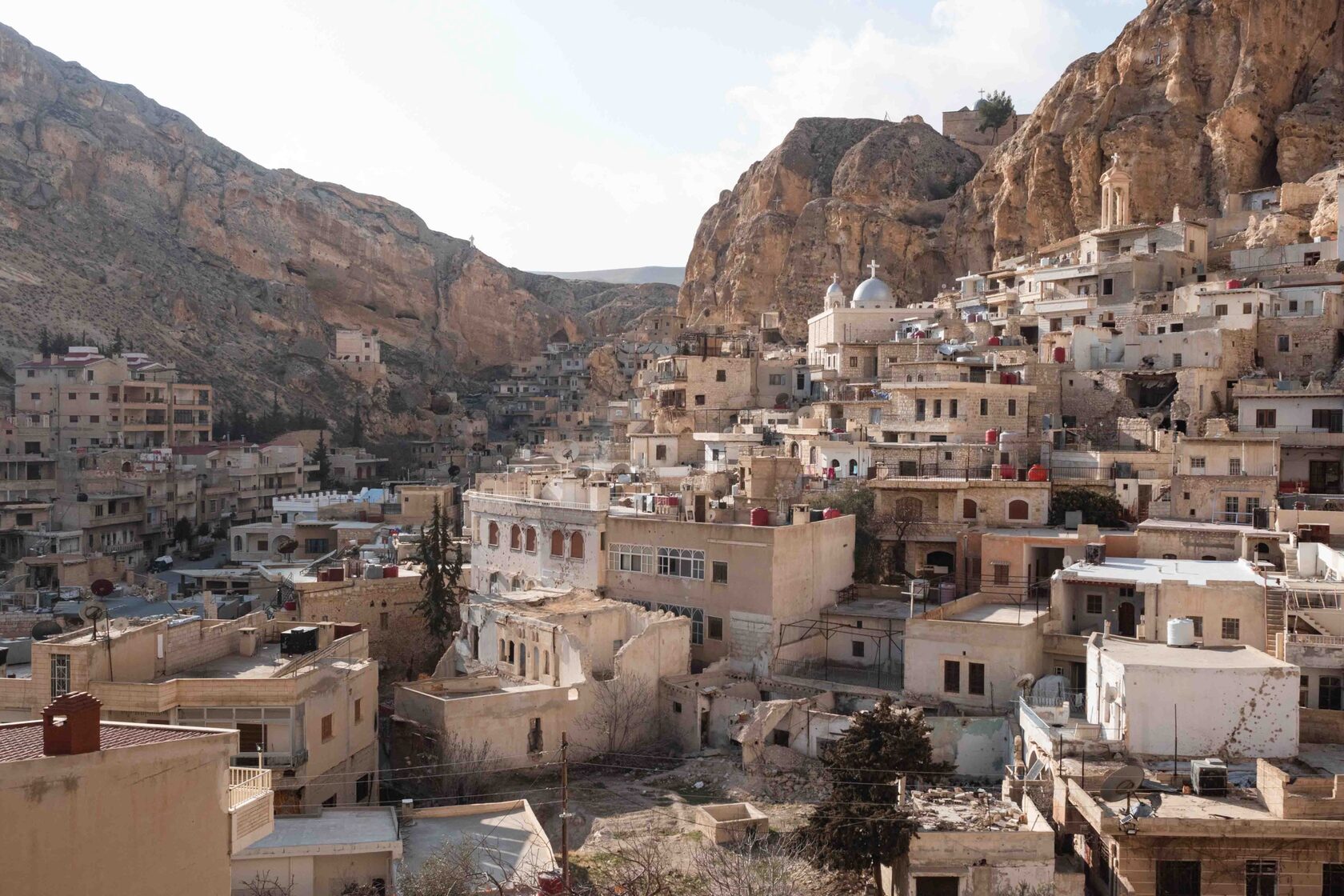
Maaloula, Syria - Manon Roca
Visa extension
Extending your visa in Syria is possible, but the process can sometimes be confusing due to differences in interpretation between immigration offices and officials. Travelers have reported receiving different information depending on where they apply: some officials consider the entry visa valid for 30 days, while others treat it as effectively 15 days unless an extension is requested early.
The maximum length of stay is also not always clearly defined. Some officials mention a 90-day limit per year for tourists, while others indicate that there is no fixed limit. Similarly, the way extensions are calculated can vary: in some cases, the new period starts from the date of the extension stamp, while in others, remaining days from the previous visa may be handled differently.
Despite these uncertainties, many travelers have successfully extended their visa without major difficulty by following the correct procedure. One of the main places where travelers report completing the process is in Damascus, around the Marjeh area, although extensions can also be requested at immigration offices in other cities depending on where you are staying.
The maximum length of stay is also not always clearly defined. Some officials mention a 90-day limit per year for tourists, while others indicate that there is no fixed limit. Similarly, the way extensions are calculated can vary: in some cases, the new period starts from the date of the extension stamp, while in others, remaining days from the previous visa may be handled differently.
Despite these uncertainties, many travelers have successfully extended their visa without major difficulty by following the correct procedure. One of the main places where travelers report completing the process is in Damascus, around the Marjeh area, although extensions can also be requested at immigration offices in other cities depending on where you are staying.
How to Extend Your Visa in Syria
At the end of your initial stay (often after around two weeks), you can visit an immigration office to request an extension, usually for approximately one additional month. The cost is relatively low, generally under 100 SYP (10,000 old SYP).
The process is bureaucratic but straightforward once you understand the steps:
Important: As of August 2026, travelers report that Aleppo Immigration Office requires a residence certificate from the mukhtar or a confirmation letter from your hotel for visa extensions. Requirements can change without notice, however, so it is always advisable to confirm the latest procedures in the group chat before your extension appointment.
The process is bureaucratic but straightforward once you understand the steps:
- Visit the main immigration office and request the extension form (often referred to as the “white” office).
- Take the form to another office nearby to have it completed.
- Return to the main office and move between different counters to collect the required signatures.
- Once all procedures are completed, you will receive a new stamp allowing you to extend your stay.
Important: As of August 2026, travelers report that Aleppo Immigration Office requires a residence certificate from the mukhtar or a confirmation letter from your hotel for visa extensions. Requirements can change without notice, however, so it is always advisable to confirm the latest procedures in the group chat before your extension appointment.
Overstaying Your Visa in Syria
If you overstay your visa, the reported penalty is approximately 50 SYP (5,000 old SYP) per day.
Because visa extension rules can vary between locations and officials, we recommend checking the latest information locally before your visa expires and allowing enough time for the process.
Because visa extension rules can vary between locations and officials, we recommend checking the latest information locally before your visa expires and allowing enough time for the process.
How to Get to Syria : flights,land borders & entry routes from Lebanon, Jordan, Iraq and Turkey
Note: cross-border transport of alcoholic beverages involving Syria has become effectively prohibited in practice, with customs authorities systematically confiscating bottles at entry and exit points despite the absence of an official ban.
While alcohol remains available and legally consumed inside the country, travelers can no longer bring it in or take it out, limiting its circulation strictly to domestic use.
While alcohol remains available and legally consumed inside the country, travelers can no longer bring it in or take it out, limiting its circulation strictly to domestic use.
By air, flying to Syria: Flights to Damascus Airport
Is arriving by air a good idea?
In theory, yes. In reality, it can be complicated.
The major issue you can encounter is the airline refusing to let you board.
The main problem is often airline boarding authorization, not Syrian immigration upon arrival.
Syria’s visa-on-arrival policy is inconsistently applied and, most importantly, not clearly updated online. Airlines rely on international databases that do not always reflect the latest changes. There is no reliable official Syrian visa platform that airline employees can consult, and in many countries there are no functioning Syrian embassies able to provide clear confirmation. As a result, airline staff often prefer to deny boarding rather than take responsibility. Several travelers report being initially refused at the airport, then later approved after providing contacts in Syria. Others were not allowed to board at all. The decision can depend entirely on the person behind the desk.
If you choose to fly anyway, you need to get ready.
Another factor to take into consideration if you are considering flying to Syria is operational instability. Due to ongoing conditions affecting Syrian airports, flight cancellations are not uncommon. Some flights may also be cancelled if they are not sufficiently full. This adds another layer of unpredictability to flying directly into the country.
For these reasons, we generally recommend avoiding direct flights to Syria unless you are traveling with an agency that can provide an invitation letter and assist you in case of airport complications. For many travelers, flying to a neighboring country (Jordan or Lebanon) and entering Syria by land remains the more reliable and less stressful option.
Some Turkish airlines fly from Istanbul to Syria. Although travellers have found it not possible to check-in online (as the automated system defaults to ask for a visa in advance), check-in in person has been straightforward and staff seemed aware of the challenges online.
It is anticipated that several European airlines will fly directly to Damascus from late 2026.
From Damascus airport to the city centre, a local guide Anas offers an advance booking taxi service for $20.
Contact him on Whatapps: +963968859314
In theory, yes. In reality, it can be complicated.
The major issue you can encounter is the airline refusing to let you board.
The main problem is often airline boarding authorization, not Syrian immigration upon arrival.
Syria’s visa-on-arrival policy is inconsistently applied and, most importantly, not clearly updated online. Airlines rely on international databases that do not always reflect the latest changes. There is no reliable official Syrian visa platform that airline employees can consult, and in many countries there are no functioning Syrian embassies able to provide clear confirmation. As a result, airline staff often prefer to deny boarding rather than take responsibility. Several travelers report being initially refused at the airport, then later approved after providing contacts in Syria. Others were not allowed to board at all. The decision can depend entirely on the person behind the desk.
If you choose to fly anyway, you need to get ready.
- If you are traveling on an organized tour, having an official invitation letter can significantly improve your chances.
- If you are traveling independently, it helps to have reliable contacts in Syria (a local person, a driver, or someone who can confirm your visit). Sometimes, being able to provide names and phone numbers makes a difference. Staying calm and politely asking to speak with a manager can also help. In some cases, contacting the airline in advance to explain your situation may reduce uncertainty, although this is never a guarantee.
Another factor to take into consideration if you are considering flying to Syria is operational instability. Due to ongoing conditions affecting Syrian airports, flight cancellations are not uncommon. Some flights may also be cancelled if they are not sufficiently full. This adds another layer of unpredictability to flying directly into the country.
For these reasons, we generally recommend avoiding direct flights to Syria unless you are traveling with an agency that can provide an invitation letter and assist you in case of airport complications. For many travelers, flying to a neighboring country (Jordan or Lebanon) and entering Syria by land remains the more reliable and less stressful option.
Some Turkish airlines fly from Istanbul to Syria. Although travellers have found it not possible to check-in online (as the automated system defaults to ask for a visa in advance), check-in in person has been straightforward and staff seemed aware of the challenges online.
It is anticipated that several European airlines will fly directly to Damascus from late 2026.
From Damascus airport to the city centre, a local guide Anas offers an advance booking taxi service for $20.
Contact him on Whatapps: +963968859314
Entering Syria by land: border crossings and overland routes
For most travelers, Jordan and Lebanon are considered the easiest entry points into Syria. Crossing from Iraq is possible but involves a very long journey, while entry from Turkey is generally not possible unless you hold Syrian or Turkish nationality.
Can you enter Syria from Turkey?
Only to Syrian (with a foreign nationality or Turkish visa) and Turkish Nationals.
Entering Syria from Iraq by land
There are three border crossings between Iraq and Syria, but currently only two are open.
The first one is called Al-Qaim and is located near the Syrian town of Al-Bukamal (Abu Kamal).
Location: https://maps.app.goo.gl/kU2o43Qfi4LX72bA6
Traveling by bus from Baghdad to Damascus can take up to 24 hours and costs around 20-30 USD. There are a couple of companies operating with different fares.
You can use El Rafidein, which arranges three departures per week (Monday, Thursday and Saturday nights) for 20 USD. Departues from their desk in Jaramana here. There are charging plugs and Wi-Fi on board, although the connection can be unstable.
It is better to reserve in advance: +963 995 210 604.
The bus stops several times on the Syrian side, including in Homs, Palmyra and Deir ez-Zor, so it may be possible to board from one of these cities instead of Damascus. The route passes through desert landscapes and follows the Euphrates River into Iraq. Historically, this route recalls the former service operated by the Nairn Transport Company in the early 20th century.
The border process is extremely slow, but it is possible to cross. The crossing is generally open from the morning until 6 pm. Border controls take a long time. Luggage can be checked several times, and foreigners should expect repeated questioning. Officials are generally calm but very meticulous.
The second is called Rabia, located near the Syrian town of Al-Ya'rubiyah
Location: https://maps.app.goo.gl/W5f5Yhuh25fC6Hrm9
The location of the bus station is here, and the trip cost around 30,000 IQD, with the journey taking approximately 30 hours. The bus departed in the evening, although the departure was delayed by around two hours. At the border, passengers had to wait until the crossing reopened at around 7:00 AM, spending the night at a nearby restaurant. After crossing, there were luggage checks and additional border procedures. One traveller reported paying $50 in fees and said the driver helped make the process smoother.
Border procedures can vary depending on nationality and circumstances, so it is advisable to confirm the current requirements before travelling.
The first one is called Al-Qaim and is located near the Syrian town of Al-Bukamal (Abu Kamal).
Location: https://maps.app.goo.gl/kU2o43Qfi4LX72bA6
Traveling by bus from Baghdad to Damascus can take up to 24 hours and costs around 20-30 USD. There are a couple of companies operating with different fares.
You can use El Rafidein, which arranges three departures per week (Monday, Thursday and Saturday nights) for 20 USD. Departues from their desk in Jaramana here. There are charging plugs and Wi-Fi on board, although the connection can be unstable.
It is better to reserve in advance: +963 995 210 604.
The bus stops several times on the Syrian side, including in Homs, Palmyra and Deir ez-Zor, so it may be possible to board from one of these cities instead of Damascus. The route passes through desert landscapes and follows the Euphrates River into Iraq. Historically, this route recalls the former service operated by the Nairn Transport Company in the early 20th century.
The border process is extremely slow, but it is possible to cross. The crossing is generally open from the morning until 6 pm. Border controls take a long time. Luggage can be checked several times, and foreigners should expect repeated questioning. Officials are generally calm but very meticulous.
The second is called Rabia, located near the Syrian town of Al-Ya'rubiyah
Location: https://maps.app.goo.gl/W5f5Yhuh25fC6Hrm9
- From Baghdad
The location of the bus station is here, and the trip cost around 30,000 IQD, with the journey taking approximately 30 hours. The bus departed in the evening, although the departure was delayed by around two hours. At the border, passengers had to wait until the crossing reopened at around 7:00 AM, spending the night at a nearby restaurant. After crossing, there were luggage checks and additional border procedures. One traveller reported paying $50 in fees and said the driver helped make the process smoother.
- From Mosul:
- About the visa
Border procedures can vary depending on nationality and circumstances, so it is advisable to confirm the current requirements before travelling.
Entering Syria from Lebanon by land
Your first, easiest, and cheapest option is to take the new daily bus service from Beirut to Damascus provided by Singer Tours.
For daily schedules and pickup locations, contact them directly at +961 78 897 063.
The cost is $25 per person
Your second option to get from Beirut to Damascus is by public transportation. First, you need to take a bus from Beirut to Chtoura. The trip costs around 3 USD and takes about one hour.
The main departure point is Cola Station in Beirut, but you can also leave from near the Kuwait Embassy.
For reference, the departure locations in Beirut are:
The third option is taking a taxi. The fastest and simplest way to get from Beirut to Damascus is by hiring a private taxi directly. The ride should cost no more than 80 USD, but it’s always best to confirm the price when booking.
Recommended drivers include Ali, who speaks English and can be reached at +961 71 933 493, and another driver who does not speak English, reachable at +961 71 885 717, for whom you can use a translation app.
For daily schedules and pickup locations, contact them directly at +961 78 897 063.
The cost is $25 per person
Your second option to get from Beirut to Damascus is by public transportation. First, you need to take a bus from Beirut to Chtoura. The trip costs around 3 USD and takes about one hour.
The main departure point is Cola Station in Beirut, but you can also leave from near the Kuwait Embassy.
- Once you arrive in Chtoura, buses regularly depart to Damascus. The ticket costs approximately 15–20 USD, and the travel time depends on the border crossing process, usually ranging from one to three hours. The location of the bus departure in Chtoura can be found here: Map link.
- You can also go by private taxi: contact Mohammad (he doesn't speak English). He charges per car 35$ (you can try to negotiate)
For reference, the departure locations in Beirut are:
The third option is taking a taxi. The fastest and simplest way to get from Beirut to Damascus is by hiring a private taxi directly. The ride should cost no more than 80 USD, but it’s always best to confirm the price when booking.
Recommended drivers include Ali, who speaks English and can be reached at +961 71 933 493, and another driver who does not speak English, reachable at +961 71 885 717, for whom you can use a translation app.
Entering Syria from Jordan by land
If you're considering flying to Jordan instead of directly to Syria, there are a few important things to keep in mind.
You will need a Jordanian visa. The fee is 40 JOD and visas are issued on arrival at Queen Alia International Airport in Amman. Alternatively, you can obtain an e-Visa online before your arrival via the Jordanian Ministry of Interior website or mobile app.
From Amman, it's possible to arrange direct transportation to Syria (Damascus and Aleppo). Several bus companies operate this route. Some of them offer direct pick-up from the airport:
When leaving Jordan, there are a few rules to note. If you stay in Jordan for more than 24 hours, you must pay a 10 JOD exit tax in the Customs area of the building (make sure to get a receipt). Only then can you proceed to the Immigration counters to have your passport stamped. If you leave Jordan within three days of entry, there is no exit fee.
On the Syrian side, do not proceed directly to the Immigration counters in front of you. Instead, head to the area on your left. At the time of writing (April 2026), the Visa on Arrival (VOA) fee payment is a two-step process. First, you need to register and obtain a QR code. You will then use this QR code to pay your VOA fee at the window directly opposite the one where your QR code was issued. Once you have paid the VOA fee and collected your receipt, return to the same counter where you were initially registered and proceed to the passport control window to have your passport stamped.
The journey from Amman to Damascus by bus can take from four to eight hours, depending on border procedures. According to the experience of some travelers, additional checks on individual passengers, such as Palestinian travelers, can delay the bus at the border by a couple of hours. These situations can slow down the whole group, so it is best not to plan any tight connections on the same day.
You will need a Jordanian visa. The fee is 40 JOD and visas are issued on arrival at Queen Alia International Airport in Amman. Alternatively, you can obtain an e-Visa online before your arrival via the Jordanian Ministry of Interior website or mobile app.
From Amman, it's possible to arrange direct transportation to Syria (Damascus and Aleppo). Several bus companies operate this route. Some of them offer direct pick-up from the airport:
- Al Kamal - contact number: 0945576435
- Al Emberator (الامبراطور) - contact numbers: 0938347681, 0934148411, and 0982604116
- Al Sarraje (مكتب السراج) - contact number: 0930666866
- Al Mufti (شركة المفتي) - contact numbers: 0950002054 or 0950002055
When leaving Jordan, there are a few rules to note. If you stay in Jordan for more than 24 hours, you must pay a 10 JOD exit tax in the Customs area of the building (make sure to get a receipt). Only then can you proceed to the Immigration counters to have your passport stamped. If you leave Jordan within three days of entry, there is no exit fee.
On the Syrian side, do not proceed directly to the Immigration counters in front of you. Instead, head to the area on your left. At the time of writing (April 2026), the Visa on Arrival (VOA) fee payment is a two-step process. First, you need to register and obtain a QR code. You will then use this QR code to pay your VOA fee at the window directly opposite the one where your QR code was issued. Once you have paid the VOA fee and collected your receipt, return to the same counter where you were initially registered and proceed to the passport control window to have your passport stamped.
The journey from Amman to Damascus by bus can take from four to eight hours, depending on border procedures. According to the experience of some travelers, additional checks on individual passengers, such as Palestinian travelers, can delay the bus at the border by a couple of hours. These situations can slow down the whole group, so it is best not to plan any tight connections on the same day.
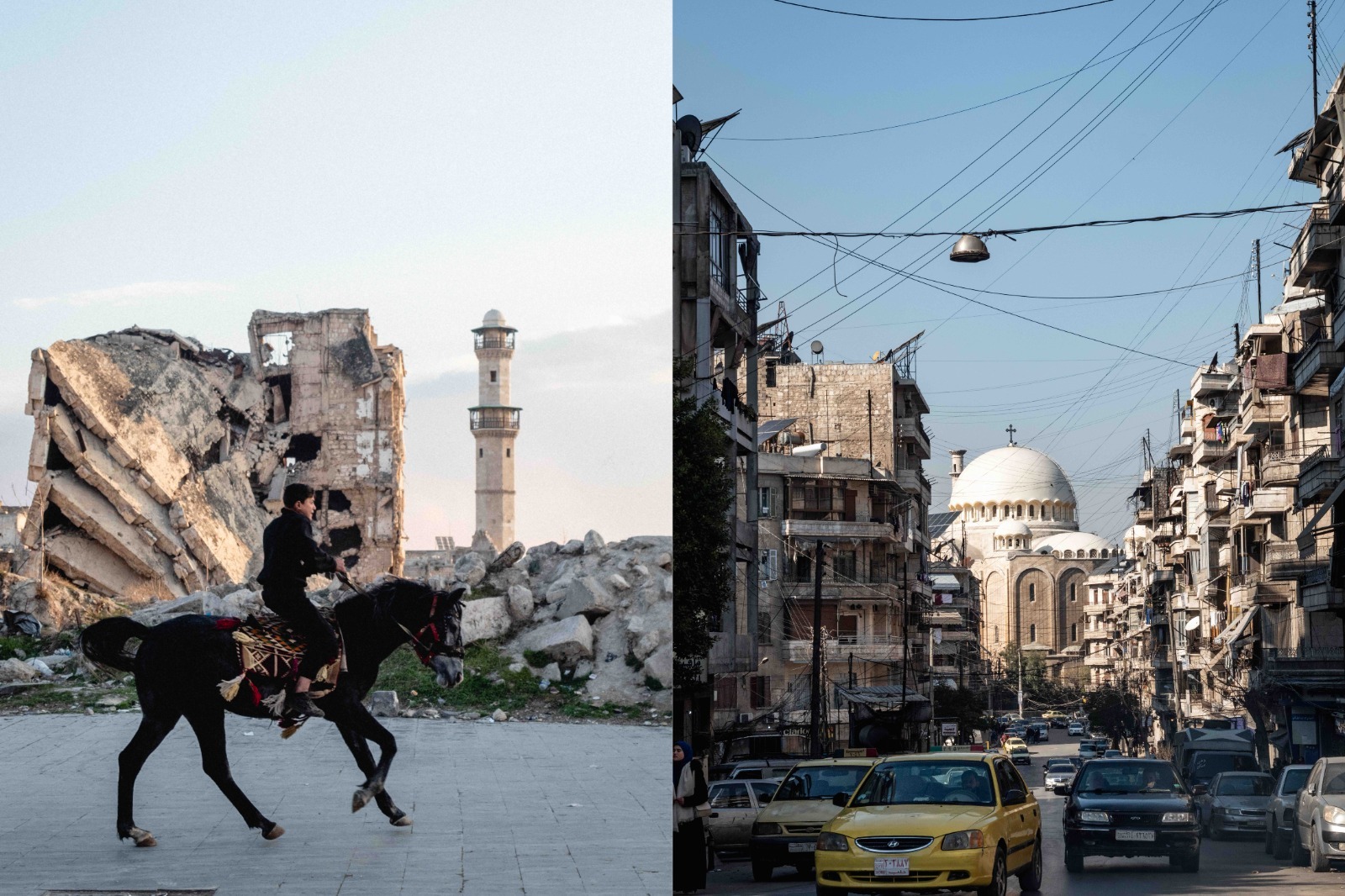
Aleppo, Syria - Manon Roca
How to get a sim or esim in Syria?
MTN and Syriatel are the two main mobile operators in the country. Internet speed and coverage can vary depending on the area and on power cuts. International roaming is generally very expensive and not recommended.
Buying an online eSIM
It is possible to use an international eSIM in Syria. Providers such as Batelco or Voya operate on the MTN network. A common package offers 20 GB valid for 30 days for $26.50.
This option is convenient if you want internet access immediately upon arrival without having to visit a local shop.
Buying a local SIM card in Syria
Update july 2026: Syriatel Tourist SIM Card is gone now.
An MTN SIM card costs around 500 SYP (50,000 old SYP) (≈ $5) and includes 1.5 GB of internet. Additional data packages can then be added, such as a weekly package of 360 SYP (36,000 old SYP) (≈ $3.60) for 6 GB.
Example location in Damascus
Buying an online eSIM
It is possible to use an international eSIM in Syria. Providers such as Batelco or Voya operate on the MTN network. A common package offers 20 GB valid for 30 days for $26.50.
This option is convenient if you want internet access immediately upon arrival without having to visit a local shop.
Buying a local SIM card in Syria
Update july 2026: Syriatel Tourist SIM Card is gone now.
An MTN SIM card costs around 500 SYP (50,000 old SYP) (≈ $5) and includes 1.5 GB of internet. Additional data packages can then be added, such as a weekly package of 360 SYP (36,000 old SYP) (≈ $3.60) for 6 GB.
Example location in Damascus
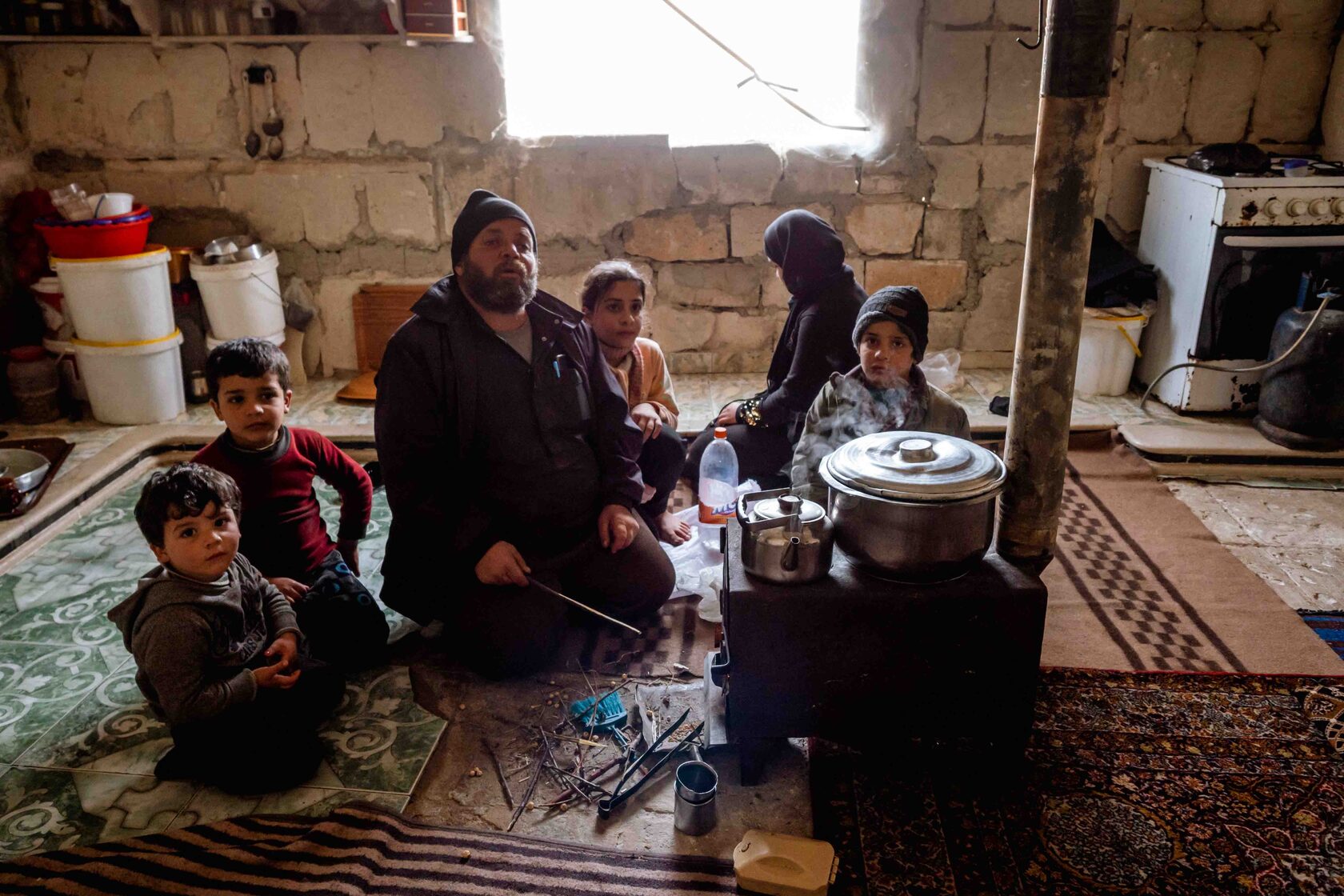
Saraqib, Syria - Manon Roca
Money
The new Syrian pound
Since 2026, Syria has introduced a new currency by removing two zeros:
100 old SYP = 1 new SYP
For example:
Old Syrian banknotes stopped being legal tender on 31 July 2026. However, you may still hear Syrians referring to prices in the old currency, as people are still getting used to the new numbers.
For your trip, always check whether a price is quoted in old or new SYP, and when in doubt, ask. We recommend checking the current exchange rate before travelling.
100 old SYP = 1 new SYP
For example:
- 50,000 old SYP → 500 new SYP
- 20,000 old SYP → 200 new SYP
- 10,000 old SYP → 100 new SYP
Old Syrian banknotes stopped being legal tender on 31 July 2026. However, you may still hear Syrians referring to prices in the old currency, as people are still getting used to the new numbers.
For your trip, always check whether a price is quoted in old or new SYP, and when in doubt, ask. We recommend checking the current exchange rate before travelling.
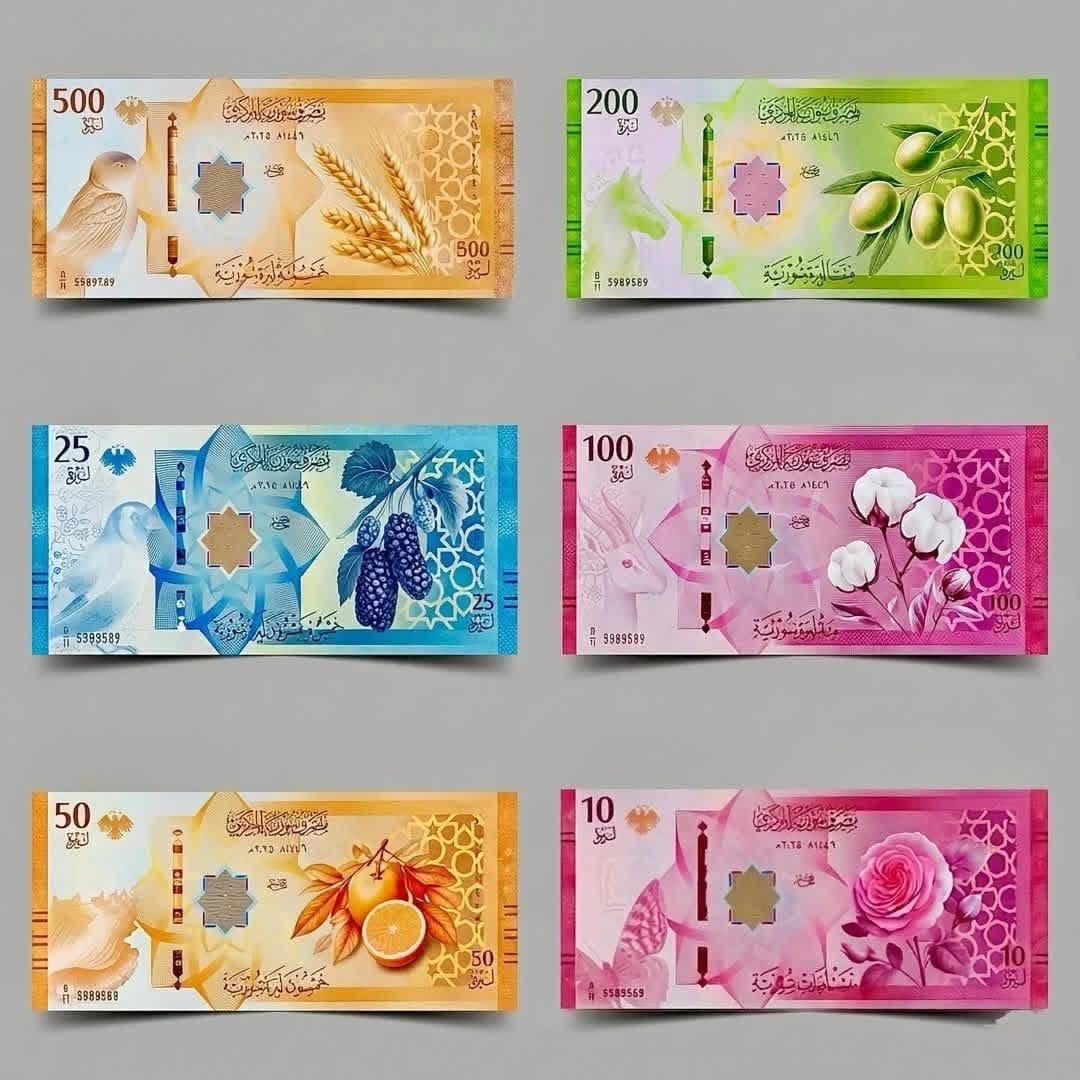
new Syrian banknotes
Money & payments
Cash is essential when travelling in Syria. Foreign bank cards generally do not work, ATMs are not reliable for international cards, and electronic payments are not widely available.
Bring enough cash to cover your trip. US dollars are the easiest currency to exchange, although euros can also be exchanged for Syrian pounds (SYP). USD is also widely accepted, but it’s useful to keep some SYP for everyday expenses. You can exchange USD or euros at local exchange shops. Check the current exchange rate before your trip.
Bring enough cash to cover your trip. US dollars are the easiest currency to exchange, although euros can also be exchanged for Syrian pounds (SYP). USD is also widely accepted, but it’s useful to keep some SYP for everyday expenses. You can exchange USD or euros at local exchange shops. Check the current exchange rate before your trip.
Where to stay in Syria
Finding accommodation in Syria is easier than many travelers expect. Across the country, you can find a variety of options, from budget hostels and guesthouses to traditional houses and comfortable hotels. However, unlike many destinations, most accommodations in Syria are not available on major booking platforms, so the best way to reserve a room is usually by contacting the owner directly via WhatsApp or phone.
We have created a dedicated article with our recommended hotels, hostels, and guesthouses across Syria, including options in Damascus, Aleppo, Homs, Latakia, Palmyra, and other destinations. Whenever available, we include prices, contact details, Wi-Fi information, electricity availability, parking options, and other useful details for travelers.
👉 Read our complete guide: Where to Stay in Syria (2026)
We have created a dedicated article with our recommended hotels, hostels, and guesthouses across Syria, including options in Damascus, Aleppo, Homs, Latakia, Palmyra, and other destinations. Whenever available, we include prices, contact details, Wi-Fi information, electricity availability, parking options, and other useful details for travelers.
👉 Read our complete guide: Where to Stay in Syria (2026)
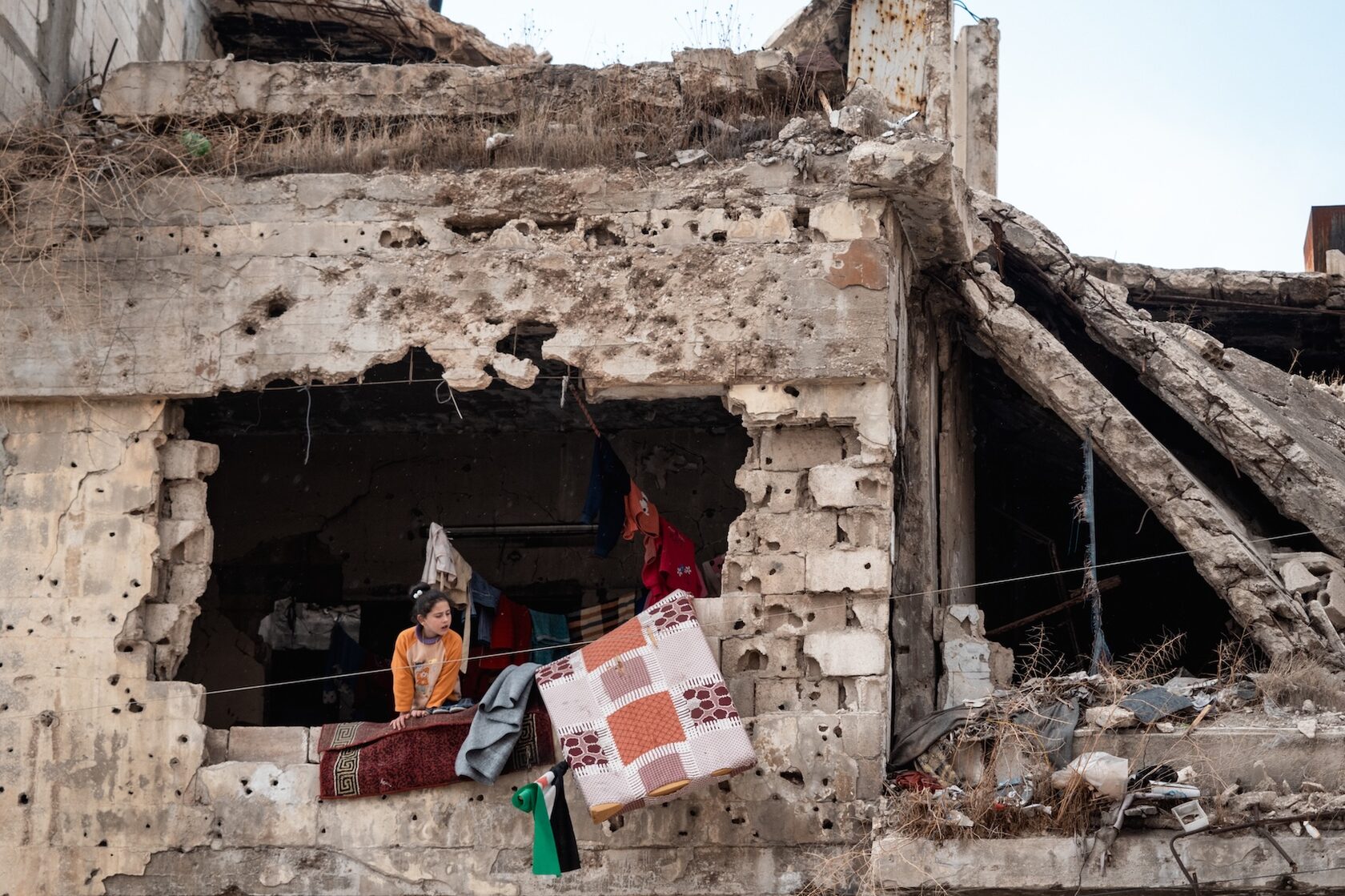
Homs, Syria - Manon Roca
How to get around
Public transportation
You can travel around Syria using public transportation, especially between the main cities. Most cities have bus or minivan stations (garages / “garajs”) where you can catch shared buses to other major towns.
Here are the locations of the major bus garages:
For the minibuses, the locations are:
Longer Bus Routes
Within Damascus, apps like Yallago can help you get around the city by taxi, although not every driver may use the app. Otherwise, taxis are widely available and are often color-coded: for example, yellow and white taxis mostly, and you can usually agree on the fare before starting the ride.
Wondering where to stay once you arrive at your destination? Check out our carefully selected list of hotels, hostels, and guesthouses in our dedicated accommodation guide.
Here are the locations of the major bus garages:
- Damascus: https://maps.app.goo.gl/XgsYAtRTJvWcjAbH9
- Tartus: https://maps.app.goo.gl/AtsvmQHxfTV7mRNh8
- Lattakia: https://maps.app.goo.gl/Jx5gBdqmE75H6yuQ9
- Idlib: https://maps.app.goo.gl/g7qD2bzGLgCoZaKC6
- Aleppo: https://maps.app.goo.gl/C2KRuFeD85jSqAtx6
- Aleppo (toward Raqqa and al Bab): https://maps.app.goo.gl/G8PDJJJ9tLNziDrm8
- Homs: https://maps.app.goo.gl/1aXs9iHB51eFr9jq5
- Raqqa: https://maps.app.goo.gl/BzQ1gvhNXjCQB7M68
- Deir ez-Zor: https://maps.app.goo.gl/MpySGBJ4CbAjo9tLA
For the minibuses, the locations are:
- Aleppo: https://maps.app.goo.gl/uU3XD5i7y5CiJm4Q9
- Lattakia (to Al Haffeh to visit Saladin castle): https://maps.app.goo.gl/gPrwxpwyiRDmW5mV9
- Lattakia (to northern villages, like to Kassab, Burj Islam): https://maps.app.goo.gl/bFbPKCE7ykoC5pwE8
- Deir ez-Zor: https://maps.app.goo.gl/pynC3yfSaj3FSwYW8
Longer Bus Routes
- Damascus → Tartus: 850 SYP (85,000 old SYP) (~$7)
- Tartus → Latakia: 300 SYP (30,000 old SYP) (~$2.5)
- Latakia → Idlib: 400 SYP (40,000 old SYP) (~$3.5)
- Idlib → Aleppo: 250 SYP (25,000 old SYP) (~$2)
- Aleppo → Homs: 850 SYP (85,000 old SYP) (~$7)
- Homs → Damascus: 550–750 SYP (55,000–75,000 old SYP) (~$4.5–6)
- Homs → Latakia: 700 SYP (70,000 old SYP) (~$6)
- Damascus → Latakia: 1,000–1,300 SYP (100,000–130,000 old SYP) (~$8–11)
- Damascus → Palmyra: 750 SYP (75,000 old SYP) (~$6.5, though they sometimes quote 1,000 SYP (100,000 old SYP) / ~$8)
- Hama → Aleppo: 500 SYP (50,000 old SYP) (~$4)
- Aleppo → Latakia: 750 SYP (75,000 old SYP) (~$6.5)
- Latakia → Tartus: 250 SYP (25,000 old SYP) (~$2)
- Tartus → Homs: 250 SYP (25,000 old SYP) (~$2)
- Aleppo → Raqqa: 850 SYP (85,000 old SYP) (~$7)
- Raqqa → Deir ez-Zor: 650 SYP (65,000 old SYP) (~$5.5)
- Deir ez-Zor → Damascus: 1,250 SYP (125,000 old SYP) (~$10)
Within Damascus, apps like Yallago can help you get around the city by taxi, although not every driver may use the app. Otherwise, taxis are widely available and are often color-coded: for example, yellow and white taxis mostly, and you can usually agree on the fare before starting the ride.
Wondering where to stay once you arrive at your destination? Check out our carefully selected list of hotels, hostels, and guesthouses in our dedicated accommodation guide.
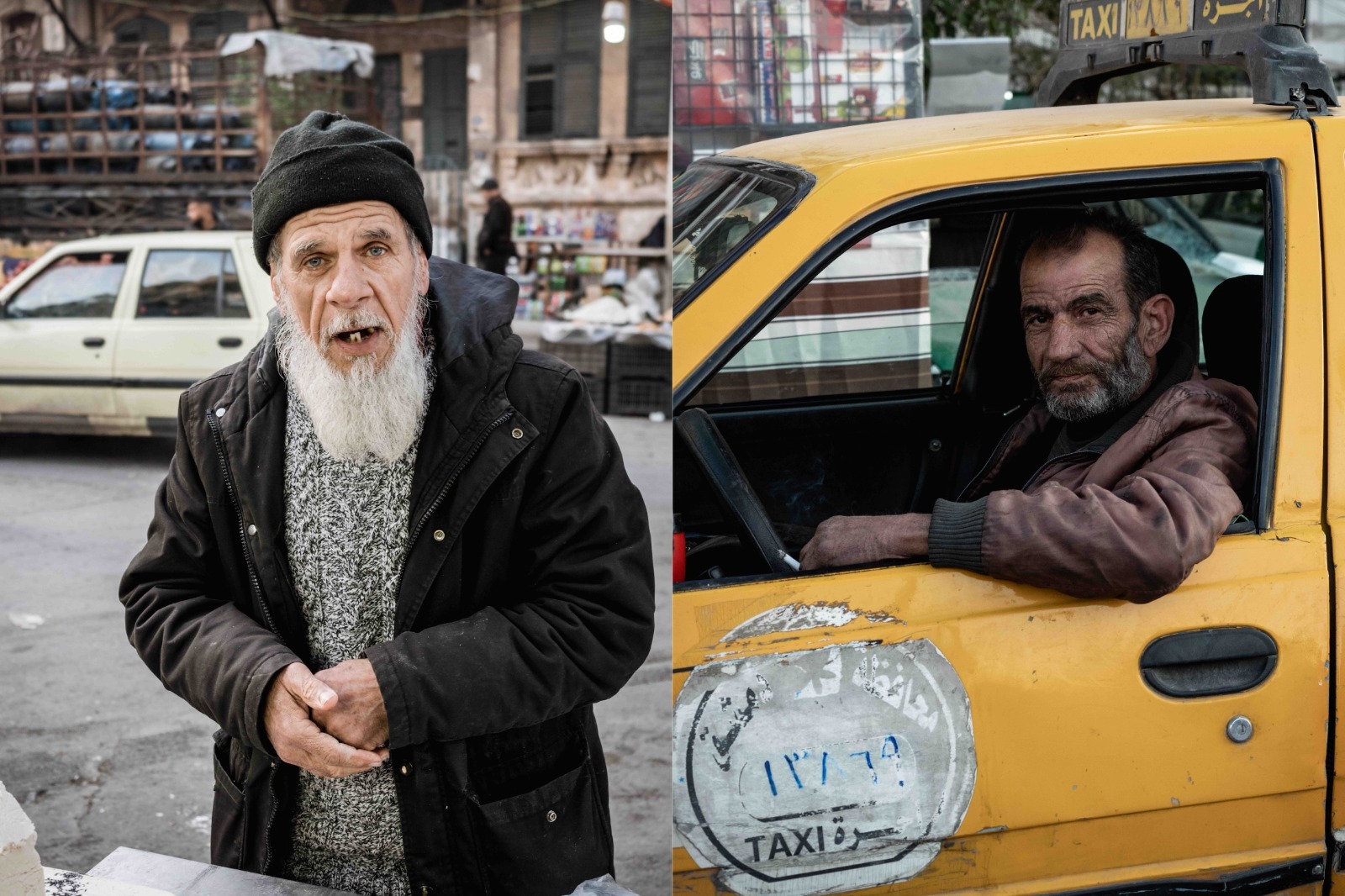
Syria - Manon Roca
Rent a car
If you would like to drive yourself, it might be helpful to mention Syrents, a car rental service operating in Syria. They offer cars and vans for rent, including airport pickup options, which can be very useful for travelers planning to move between cities. You can contact them directly through their website.
Traveling Syria by motorcycle
Traveling across Syria by motorcycle remains a largely undocumented experience, especially in recent years. Many riders spend weeks searching for reliable information, only to find scattered or outdated resources. This guide is based on firsthand experiences and aims to provide practical advice, useful tips, and real insights for future motorcycle travelers.
Discover the experiences and recommendations of some of the first travelers to explore Syria by motorcycle in 2026 in this article.
Discover the experiences and recommendations of some of the first travelers to explore Syria by motorcycle in 2026 in this article.
Best places to vist in Syria
Full article here
Syria is a country filled with historical cities, ancient ruins, diverse landscapes, and unique cultural experiences. From the historic streets of Damascus and Aleppo to the ancient ruins of Palmyra, Bosra, and Krak des Chevaliers, the peaceful villages of Maaloula and Mar Musa, the Mediterranean coastline of Latakia and Tartus, and the lesser-visited regions of Homs, Hama, Idlib, Raqqa, and Deir ez-Zor, there is an incredible variety of places to discover.
To help you plan your journey, we created a dedicated guide to the best places to visit in Syria, featuring famous landmarks, archaeological sites, hidden gems, and our favorite destinations across the country.
Syria is a country filled with historical cities, ancient ruins, diverse landscapes, and unique cultural experiences. From the historic streets of Damascus and Aleppo to the ancient ruins of Palmyra, Bosra, and Krak des Chevaliers, the peaceful villages of Maaloula and Mar Musa, the Mediterranean coastline of Latakia and Tartus, and the lesser-visited regions of Homs, Hama, Idlib, Raqqa, and Deir ez-Zor, there is an incredible variety of places to discover.
To help you plan your journey, we created a dedicated guide to the best places to visit in Syria, featuring famous landmarks, archaeological sites, hidden gems, and our favorite destinations across the country.
Working places in Syria
Thanks to Irene for this section !
Where to work in Damascus
Location
Location
Where to work in Aleppo
Location
- Sukoon Business Café
Location
- Chapters Internet Cafe
Location
Where to work in Aleppo
- WASL Business Hub
Location
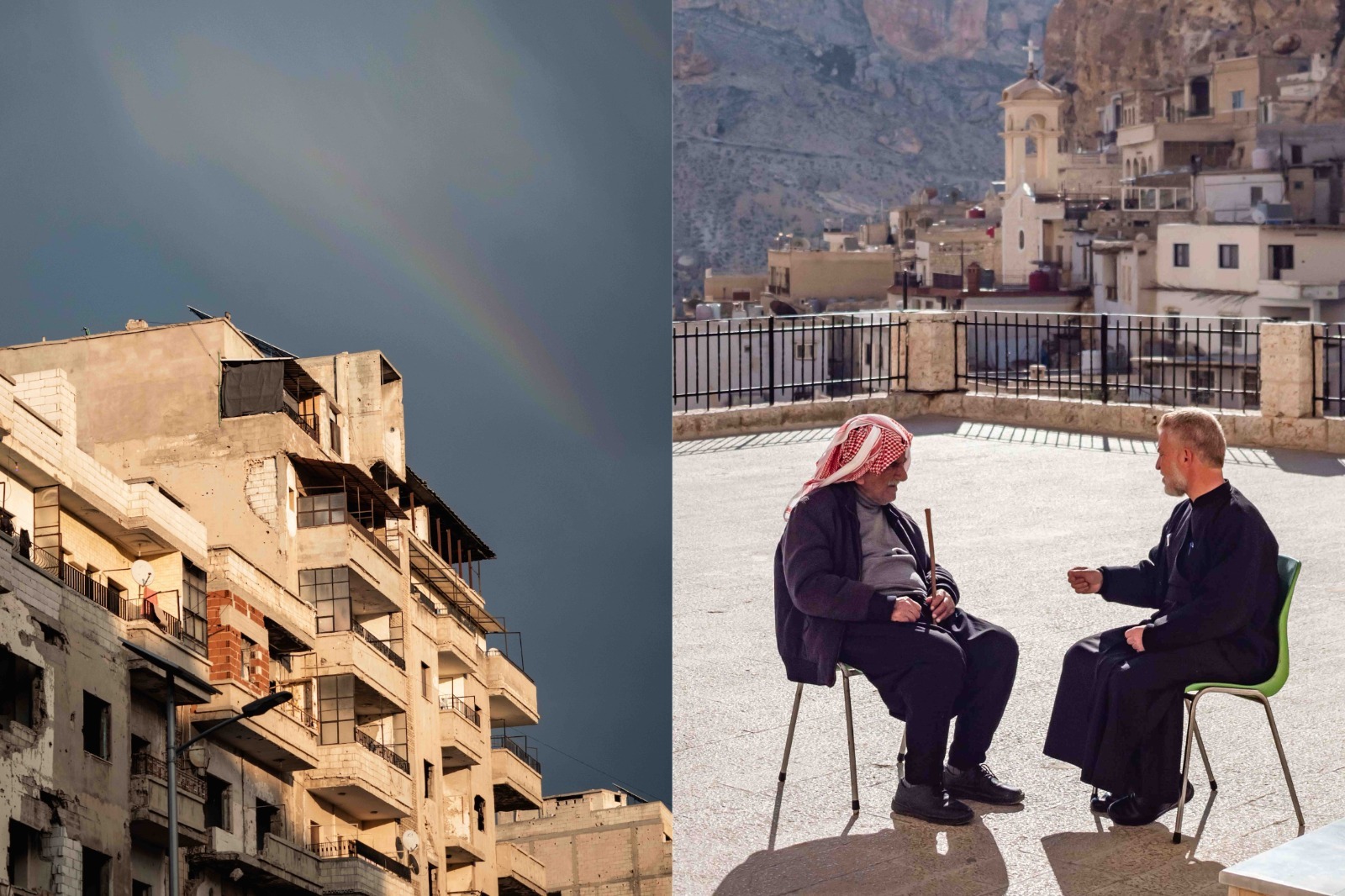
On the left: Homs, Syria - Manon Roca
On the right: Maaloula, Syria - Manon Roca
Thanks a lot to all the contributors to this guide, from our “Traveler Community Middle East”
- Abdel Kaddour, owner of Dar Halabia hotel and Halabia Travel Group.
- Ahmad Magribi, certified tourist guide
- Irene from Instagram
- Alex from Instagram
- Jordi from Instagram
- Andrew from Instagram
- Manon Roca, founder of the Traveler Community and co-founder of Walk beside.