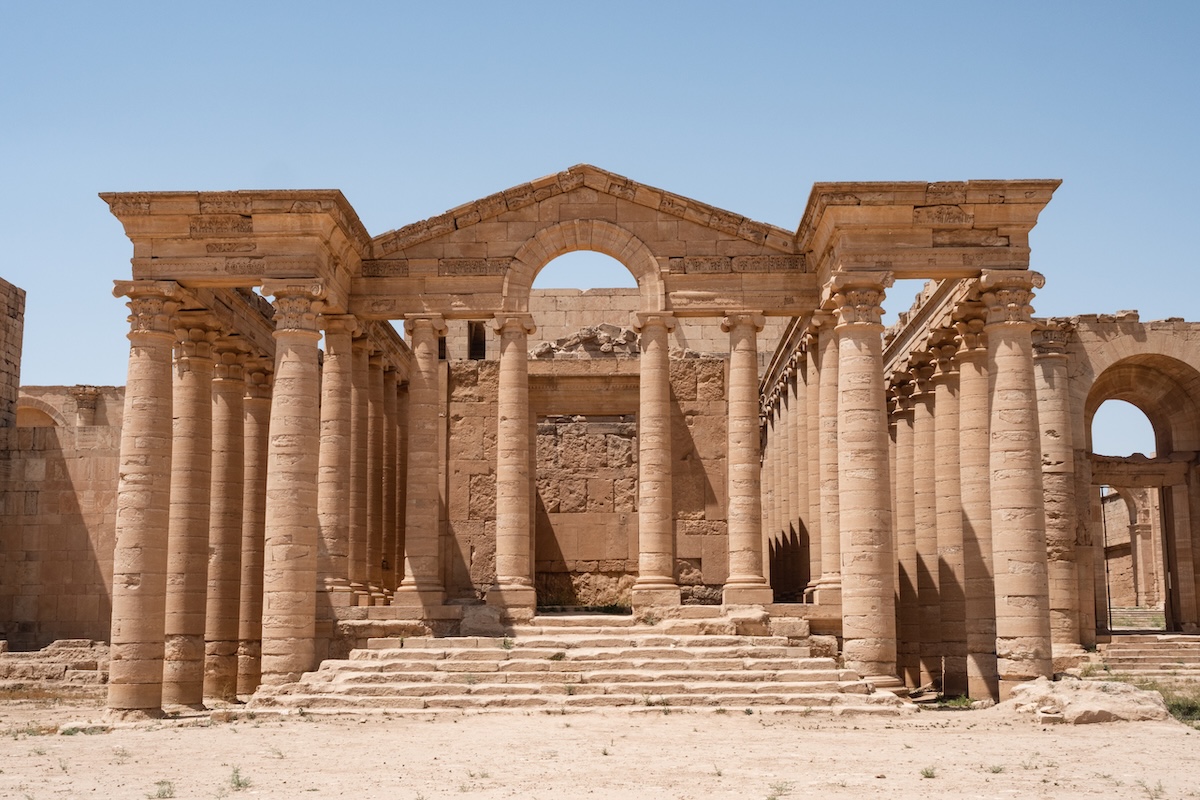
Iraq is a country unlike any other in the Middle East. Often known as the cradle of civilization, it is a land where thousands of years of history can still be felt in everyday life : from the ancient ruins of Mesopotamia to the bustling markets, religious cities, mountain villages, and welcoming communities that shape the country today.
From the historic streets of Baghdad and Mosul to the ancient ruins of Babylon, Ur, and Samarra, the sacred cities of Najaf and Karbala, the peaceful landscapes of the Iraqi Kurdistan mountains, the unique Ezidi village of Lalish, and the remote beauty of the Mesopotamian Marshes, Iraq offers an incredible variety of places to explore.
Planning your trip to Iraq?
Don't miss our complete Iraq Travel Guide, where we cover everything you need to know before visiting, including visa requirements, border crossings, transportation, SIM cards, money, safety, accommodation, and practical travel tips.
Looking for accommodation?
Check our dedicated guide Where to Stay in Iraq, featuring our selection of recommended hotels, hostels, and guesthouses across the country, including Baghdad, Basrah, Mosul, Najaf, Karbala, Erbil, Sulaymaniyah, Duhok, Akre, Choman, Soran, Tikrit, Hilla (Babylon), and Nasiriyah, with prices, contact details, Wi-Fi information, and useful tips.
From the historic streets of Baghdad and Mosul to the ancient ruins of Babylon, Ur, and Samarra, the sacred cities of Najaf and Karbala, the peaceful landscapes of the Iraqi Kurdistan mountains, the unique Ezidi village of Lalish, and the remote beauty of the Mesopotamian Marshes, Iraq offers an incredible variety of places to explore.
Planning your trip to Iraq?
Don't miss our complete Iraq Travel Guide, where we cover everything you need to know before visiting, including visa requirements, border crossings, transportation, SIM cards, money, safety, accommodation, and practical travel tips.
Looking for accommodation?
Check our dedicated guide Where to Stay in Iraq, featuring our selection of recommended hotels, hostels, and guesthouses across the country, including Baghdad, Basrah, Mosul, Najaf, Karbala, Erbil, Sulaymaniyah, Duhok, Akre, Choman, Soran, Tikrit, Hilla (Babylon), and Nasiriyah, with prices, contact details, Wi-Fi information, and useful tips.
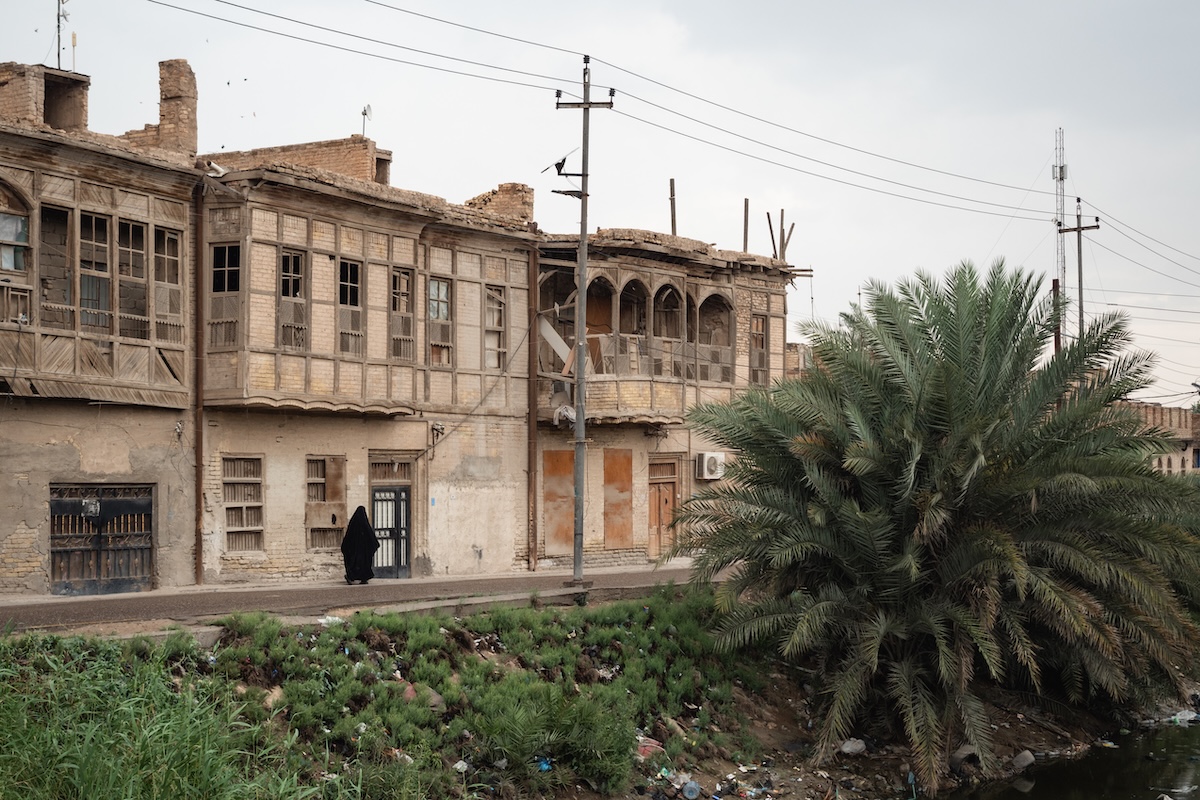
Basrah, Iraq - Manon Roca
Basra
The Old City of Basrah is probably the most interesting thing to do here. You’ll still find traditional houses with their carved wooden shanashil balconies, typical of southern Iraq. Many are crumbling, some are restored, but all of them tell a story.
You can also visit one of Saddam’s former palaces overlooking the city, then take a long walk along the corniche, especially at sunset when families gather by the river. Don’t miss Al-Khafraji & Al-Ghanem Mosque, and if you’re looking for a good dinner spot, try Ayloul Restaurant by the water.
You can also visit one of Saddam’s former palaces overlooking the city, then take a long walk along the corniche, especially at sunset when families gather by the river. Don’t miss Al-Khafraji & Al-Ghanem Mosque, and if you’re looking for a good dinner spot, try Ayloul Restaurant by the water.
Chibayish Marshes
The marshes are a completely different world. Staying overnight is highly recommended so you can experience both sunset and sunrise over the water. You sleep in traditional reed huts, wake up surrounded by silence and reflections, and move around by small wooden boats while water buffalo stand half-submerged and fishermen glide past quietly. A completely different side of Iraq reveals itself here.
Najaf & Karbala
Najaf and Karbala are home to some of the most important Shia shrines in the world.
These cities are considered extremely safe, even more than many other parts of Iraq. However, as they are among the most important religious centers for the Shia community, both men and women should dress very conservatively out of respect.
- In Najaf, you’ll find the Imam Ali Shrine, one of the holiest sites in Shia Islam, as well as the Grand Mosque of Kufa. The city is also home to the Cemetery of Najaf, one of the largest cemeteries on Earth, with millions of graves : some dating back more than 1,400 years.
- In Karbala, the Imam Hussein and Al-Abbas Shrines dominate the city. The atmosphere is deeply spiritual, especially in the evening when the golden domes glow at sunset and pilgrims gather in large numbers.
These cities are considered extremely safe, even more than many other parts of Iraq. However, as they are among the most important religious centers for the Shia community, both men and women should dress very conservatively out of respect.
Nasiriyah
Nasiriyah is mainly a gateway to one of Iraq’s most impressive ancient sites: the Ziggurat of Ur. Rising dramatically from the desert, this massive Sumerian structure dates back more than 4,000 years and feels both powerful and surreal in its simplicity.
The city itself is not particularly touristy, so visiting with a local driver makes exploring much easier.
The city itself is not particularly touristy, so visiting with a local driver makes exploring much easier.
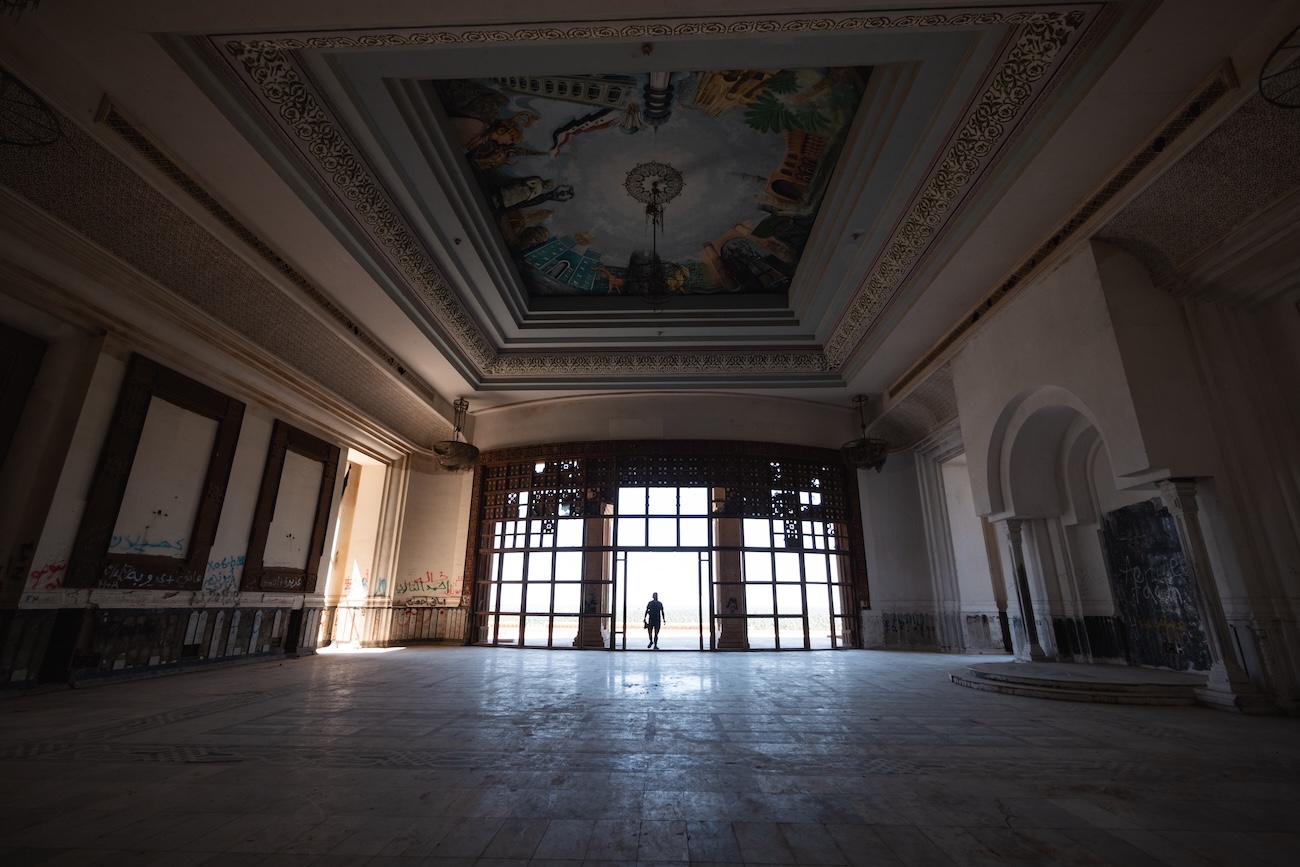
Saddam Hussein’s palace, Babylon, Iraq - Manon Roca
Babylon
Babylon is where ancient history and recent history strangely collide. You can walk among the ruins of one of the world’s most legendary cities, then look up and see Saddam Hussein’s palace overlooking the site.
Some areas may require a local guide or special permission to access, especially if you want to enter Saddam Hussein’s palace, and entry is not always guaranteed.
Some areas may require a local guide or special permission to access, especially if you want to enter Saddam Hussein’s palace, and entry is not always guaranteed.
Baghdad
To truly experience the atmosphere of the capital, start with a walk along Al Rasheed Street or through Al Mutanabi Street. This is where you feel Baghdad’s history most deeply. These streets come alive in the evening, when the city’s energy is at its strongest. Don’t miss the nearby Copper Market, and take time to explore the old bazaar. A walk along Al Rasheed and Al Sadoun Streets gives you a real sense of the city’s layered past and present.
There are many other notable monuments to see in Baghdad. However, be aware that some museums and attractions may close for maintenance without much notice, so always check in advance before planning your visit.
Historic and Cultural Highlights
Museums & Memorials
There are many other notable monuments to see in Baghdad. However, be aware that some museums and attractions may close for maintenance without much notice, so always check in advance before planning your visit.
Historic and Cultural Highlights
- Al-Mustansiriya Madrasa — One of the oldest Islamic universities in the world, it stands quietly as a testament to Baghdad’s rich intellectual past.
- Nearby, Al-Shuhada (Martyr) Bridge stretches over the Tigris River, offering beautiful river views.
- Tahrir Square (Liberation Square) remains central to the political and social life of Baghdad.
- The shrines of Imam Musa Al-Kadhim and Imam Muhammad Al-Jawad are also highly worth visiting, both for their religious importance and their stunning architecture.
- Taq Kasra (Arch of Ctesiphon) stands as one of the few surviving examples of ancient Persian architecture — a powerful and silent witness to time.
Museums & Memorials
- The Iraq Museum (Baghdad Museum) houses collections spanning thousands of years — from the Sumerian cities of Ur, Uruk, and Lagash, to the Akkadian, Babylonian, and Assyrian empires, and through the Islamic periods.
- The Al-Shaheed Monument (Martyr Monument), a giant bisected turquoise dome, commemorates Iraqis who lost their lives in the Iran-Iraq War.
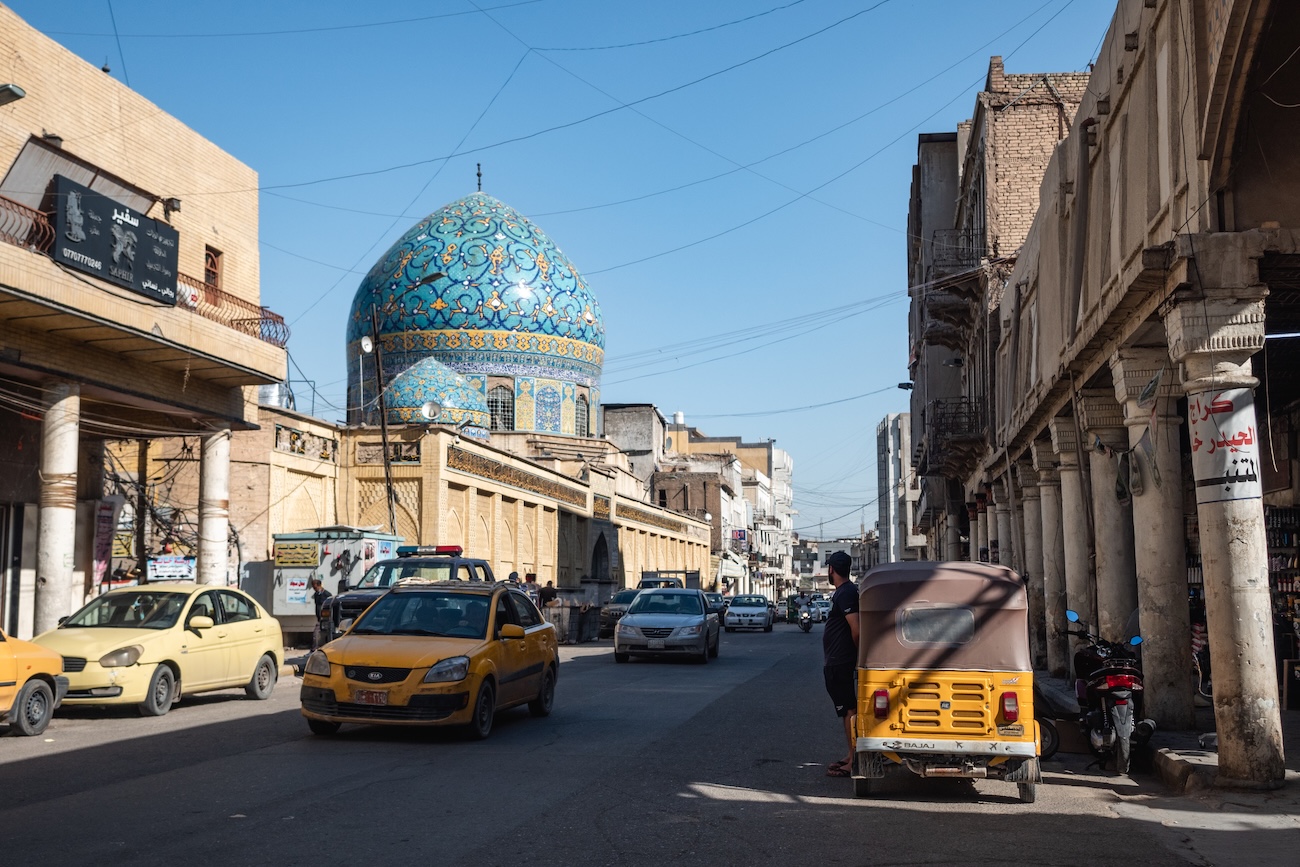
Baghdad, Iraq - Manon Roca
Samarra
Samarra is one of Iraq’s most historically significant cities, full of Abbasid architecture and important religious landmarks. To visit them, you’ll pass through the Al-Sadd Bridge checkpoint, where they’ll check your passport and issue a visitor’s card (or just take a photo of your visa). After your tour, return the card to get your passport back.
To get there:
Tips: Taxis are more available in the morning. A guided tour of the four sites costs 25,000 IQD.
- Minaret of the Great Mosque: Closed for restoration; accessible for photos on Fridays and Saturdays.
- Minaret of Abu Dulaf: Always open; climbing allowed.
- Al-Birka Palace: Open daily; ask the guard to open the gate.
- Al-Ashiq Palace: Closed for restoration; photos allowed daily, entry only Fridays and Saturdays.
To get there:
- From Baghdad, take a shared taxi from Alawi Garage (northern section). Fare: 15,000 IQD per person (60,000 IQD total for 4 passengers). Fewer passengers mean higher per-person cost.
- Return taxis to Baghdad: ~40,000 IQD solo, ~10,000 IQD if sharing. To Tikrit: ~25,000 IQD solo.
Tips: Taxis are more available in the morning. A guided tour of the four sites costs 25,000 IQD.
Mosul
The ruined streets of Mosul shock you from the very first moment you set foot in the city. Destroyed buildings form the backdrop to everyday life, which stubbornly continues. Amid the rubble, children’s stuffed animals appear, fragments of a broken childhood; on the walls of the old city, the marks of shells, bullets, and missiles remain etched. The war is not a distant memory, it is still here, written in the stone of this city.
Today, the challenge is different: to rebuild the city with unparalleled courage and to relearn how to live after witnessing the worst atrocities. Walking through these streets, one wonders which other people could embody, better than the people of Mosul, the profound meaning of the word resilience.
(small note from me, Manon, as it is my favorite city in Iraq, you can read more about my special relation to Mosul here)
________________________
We recommend you to visit the Old Souq, or Bab Al-Saray, a labyrinth of colors, smells, and sounds. Walking through its narrow alleys, you’ll find everything from aromatic spices to local delicacies. Nearby, the fish market is a lively and chaotic experience: some visitors love it, others prefer to skip it, but either way, it’s a glimpse into everyday life in Mosul.
The old city still bears the scars of war. Wandering among the ruined houses and crumbling streets, you can feel both the weight of history and the resilience of the people who call this city home. Al-Nouri Mosque, with its famous Hadbaa Minaret, stands as a symbol of Mosul’s endurance and cultural heritage, while the Baytna Museum and the Mosul Heritage Art House showcase artifacts and objects from daily life in the past, giving visitors a deeper understanding of the city’s rich history.
There’s also a lot to do beyond sightseeing. Try the local cuisine: Masgouf, the legendary grilled fish, and Dolma, stuffed vegetables, are absolute musts.
Today, the challenge is different: to rebuild the city with unparalleled courage and to relearn how to live after witnessing the worst atrocities. Walking through these streets, one wonders which other people could embody, better than the people of Mosul, the profound meaning of the word resilience.
(small note from me, Manon, as it is my favorite city in Iraq, you can read more about my special relation to Mosul here)
________________________
We recommend you to visit the Old Souq, or Bab Al-Saray, a labyrinth of colors, smells, and sounds. Walking through its narrow alleys, you’ll find everything from aromatic spices to local delicacies. Nearby, the fish market is a lively and chaotic experience: some visitors love it, others prefer to skip it, but either way, it’s a glimpse into everyday life in Mosul.
The old city still bears the scars of war. Wandering among the ruined houses and crumbling streets, you can feel both the weight of history and the resilience of the people who call this city home. Al-Nouri Mosque, with its famous Hadbaa Minaret, stands as a symbol of Mosul’s endurance and cultural heritage, while the Baytna Museum and the Mosul Heritage Art House showcase artifacts and objects from daily life in the past, giving visitors a deeper understanding of the city’s rich history.
There’s also a lot to do beyond sightseeing. Try the local cuisine: Masgouf, the legendary grilled fish, and Dolma, stuffed vegetables, are absolute musts.
We recommend you to visit the Old Souq, or Bab Al-Saray, a labyrinth of colors, smells, and sounds. Walking through its narrow alleys, you’ll find everything from aromatic spices to local delicacies. Nearby, the fish market is a lively and chaotic experience: some visitors love it, others prefer to skip it, but either way, it’s a glimpse into everyday life in Mosul.
The old city still bears the scars of war. Wandering among the ruined houses and crumbling streets, you can feel both the weight of history and the resilience of the people who call this city home. Al-Nouri Mosque, with its famous Hadbaa Minaret, stands as a symbol of Mosul’s endurance and cultural heritage, while the Baytna Museum and the Mosul Heritage Art House showcase artifacts and objects from daily life in the past, giving visitors a deeper understanding of the city’s rich history.
There’s also a lot to do beyond sightseeing. Try the local cuisine: Masgouf, the legendary grilled fish, and Dolma, stuffed vegetables, are absolute musts.
And don’t leave without picking up some souvenirs or traditional clothes, handmade and full of character, as a reminder of your time in this remarkable city.
The old city still bears the scars of war. Wandering among the ruined houses and crumbling streets, you can feel both the weight of history and the resilience of the people who call this city home. Al-Nouri Mosque, with its famous Hadbaa Minaret, stands as a symbol of Mosul’s endurance and cultural heritage, while the Baytna Museum and the Mosul Heritage Art House showcase artifacts and objects from daily life in the past, giving visitors a deeper understanding of the city’s rich history.
There’s also a lot to do beyond sightseeing. Try the local cuisine: Masgouf, the legendary grilled fish, and Dolma, stuffed vegetables, are absolute musts.
And don’t leave without picking up some souvenirs or traditional clothes, handmade and full of character, as a reminder of your time in this remarkable city.
Erbil (Iraqi Kurdistan)
Erbil is the capital of Iraqi Kurdistan and one of the oldest continuously inhabited cities in the world. At its centre rises the ancient Erbil Citadel, a UNESCO World Heritage Site whose walls have watched over civilizations for more than 6,000 years. (It was closed in February 2026, so check before visiting.).
(As of February 2026, it is also still closed.)
At the foot of the citadel, the Qaysari Bazaar comes alive with spice sellers, textiles, dried fruits and copperware.
In the Christian quarter of Ankawa, the atmosphere shifts completely. Churches replace mosques, and the streets are lined with cafés, bars, nightclubs and good restaurants. For a quieter afternoon, head to Sami Abdulrahman Park, one of the largest green spaces in the region.
(As of February 2026, it is also still closed.)
At the foot of the citadel, the Qaysari Bazaar comes alive with spice sellers, textiles, dried fruits and copperware.
In the Christian quarter of Ankawa, the atmosphere shifts completely. Churches replace mosques, and the streets are lined with cafés, bars, nightclubs and good restaurants. For a quieter afternoon, head to Sami Abdulrahman Park, one of the largest green spaces in the region.
Sulaymaniyah (Iraqi Kurdistan)
Sulaymaniyah feels different from other cities in Kurdistan. At its heart stands the Sulaymaniyah Museum, the second largest archaeological museum in Iraq after Baghdad. Walking through its halls is like travelling through time, from prehistoric artifacts to relics of the Ottoman period. It’s calm, almost understated, but the weight of history is undeniable. Just nearby rises the Great Mosque of Sulaymaniyah, an important spiritual landmark. A visit to Amna Suraka Museum, also known as the Red Prison, is intense yet essential. This former detention and torture site has been transformed into a memorial. Inside, photographs, preserved cells, and testimonies tell the story of the suffering endured by Kurdish people under Saddam’s regime.
And then, just let yourself get lost in the central bazaar and surrounding markets. Wander without direction. Stop for tea. Watch daily life unfold.
And then, just let yourself get lost in the central bazaar and surrounding markets. Wander without direction. Stop for tea. Watch daily life unfold.
Duhok (Iraqi Kurdistan)
Duhok sits amid hills and mountains and is the gateway to discovering the Kurdish region of Iraq. Locals and visitors alike often relax in Park Azadi, a green space with cafés and panoramic views over the valley. Not far out of town, the lake and dam area offer spots to chill out.
While Duhok itself is more of a launchpad than a dense tourist hub, it’s a pleasant base to explore the surrounding region.
While Duhok itself is more of a launchpad than a dense tourist hub, it’s a pleasant base to explore the surrounding region.
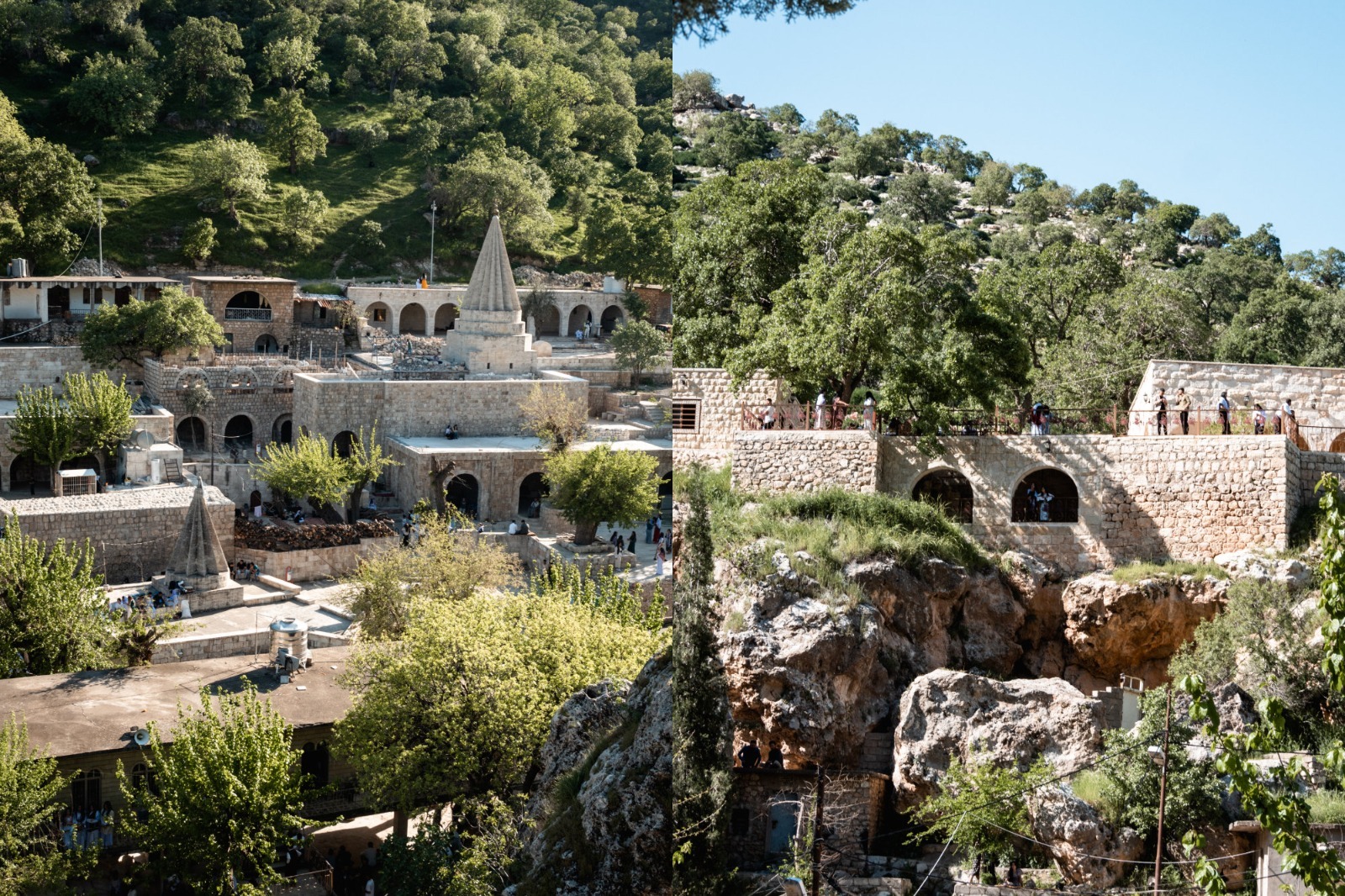
Lalish, Iraqi Kurdistan - Manon Roca
Lalish (Iraqi Kurdistan)
Lalish is a small valley village and represents the holiest site for the Yazidi people. The atmosphere of this place is unique, almost magical, and requires great respect and silence.
The Yazidis are an ethno-religious group primarily residing in northern Iraq, with smaller communities in Syria, Turkey, and elsewhere. Their faith is one of the most ancient in Mesopotamia, with unique traditions and rituals preserved for thousands of years.
In 2014, the Yazidi community was targeted by Islamic State (ISIS/Daesh) in the Sinjar region. Thousands were killed, and many women were enslaved.
The Yazidis are an ethno-religious group primarily residing in northern Iraq, with smaller communities in Syria, Turkey, and elsewhere. Their faith is one of the most ancient in Mesopotamia, with unique traditions and rituals preserved for thousands of years.
In 2014, the Yazidi community was targeted by Islamic State (ISIS/Daesh) in the Sinjar region. Thousands were killed, and many women were enslaved.
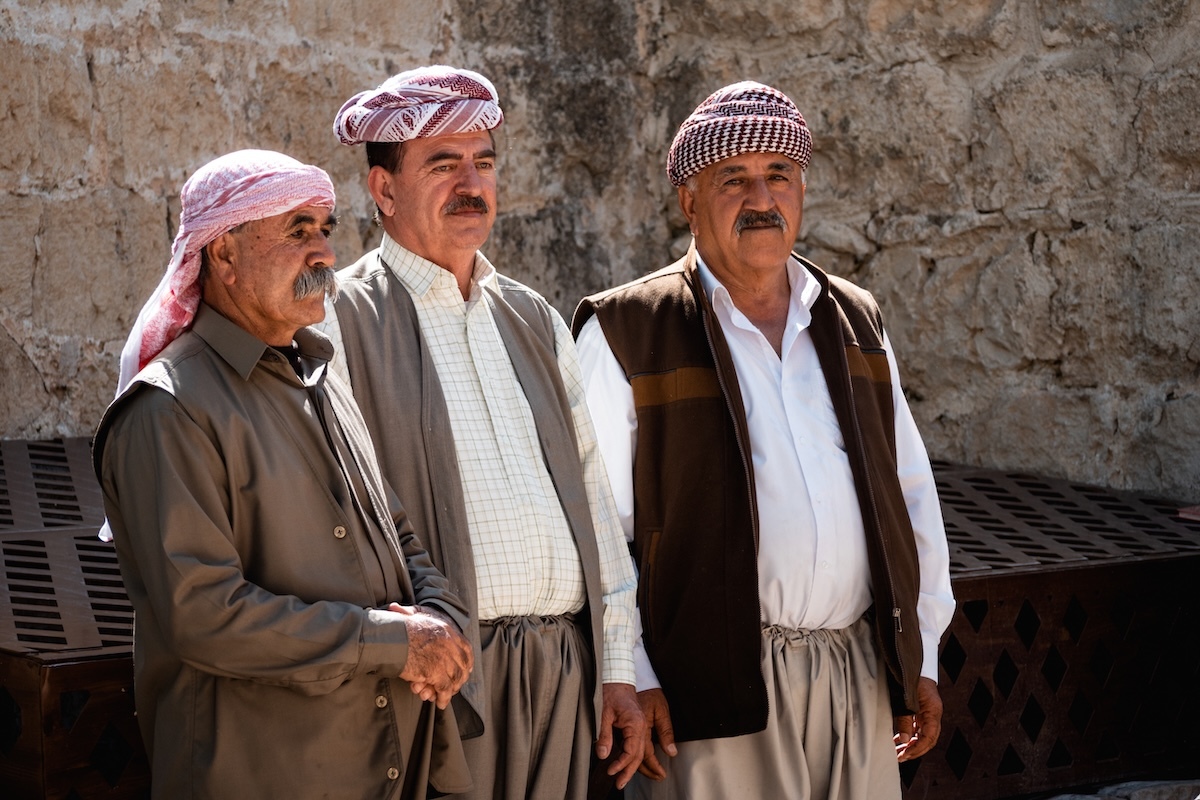
Ezidi people in Lalish - Manon Roca
Amadi & Barzan (Iraqi Kurdistan)
Two super cute little towns perched on the high plateaus of Kurdistan. The houses are built of old stone, and life moves slowly there.
St. Matthew & St. Anthony Monasteries (Iraqi Kurdistan)
- Just outside Mosul, St. Matthew’s Monastery is one of the oldest Christian monasteries in the world, founded in the 4th century. Despite wars, invasions, and displacement, the monastery has remained active for more than 1,600 years. It belongs to the Syriac Orthodox Church and is still home to monks today.
- Nearby, St. Anthony’s Monastery offers a similar sense of ancient presence. Smaller and less visited, it sits in a serene setting overlooking the plains. Like St. Matthew’s, it has survived waves of history, from early Christianity through Ottoman rule and modern conflicts.
Both monasteries are powerful reminders that Christianity in Iraq is not new: it is deeply rooted, ancient, and intertwined with the country’s history.
Akre (Iraqi Kurdistan)
Akre is a Kurdish town built into the hillside, its old stone houses cascading toward the valley below. Don’t miss the Great Mosque of Akre. Head to the Sare Gri Viewpoint for a spectacular view over the city, explore the old souk, and visit the Church of Akre.
Soran (Iraqi Kurdistan)
The region around Soran is surrounded by beautiful nature. The Rawanduz Canyon is impressive, making it easy to forget you are in Iraq. One of the standout natural attractions nearby is Kani Bast Waterfall, known locally as the tallest and most spectacular falls in the Kurdistan Region.
Soran also serves as a gateway to hikes and scenic drives deeper into the Zagros Mountains.
Soran also serves as a gateway to hikes and scenic drives deeper into the Zagros Mountains.
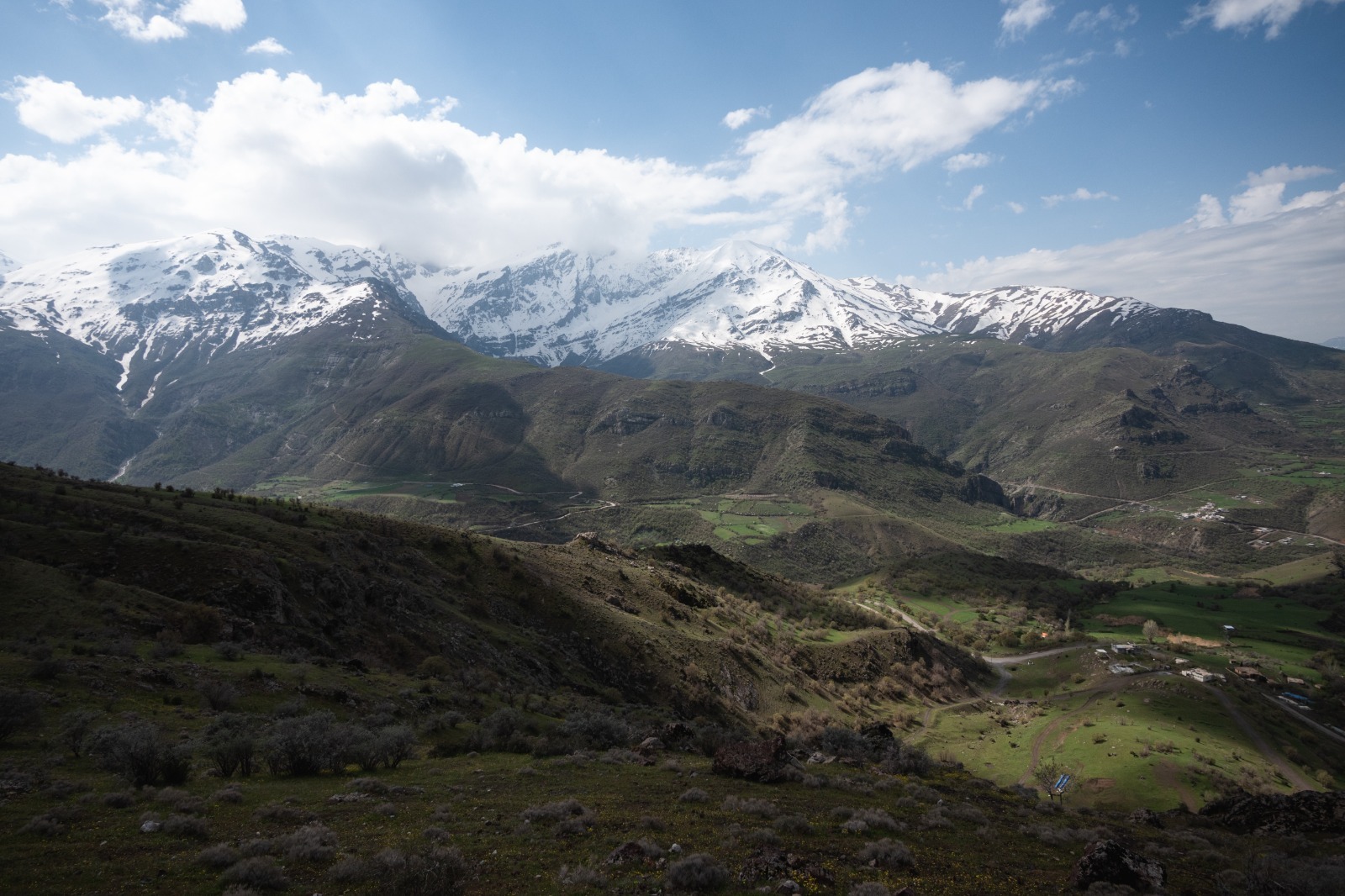
Choman, Iraqi Kurdistan - Manon Roca
After all these tips, if you still don’t feel ready to travel independently in Iraq, or if you simply prefer to have a local guide with you and enjoy the country without worrying about the logistics, we also organize small-group tours designed to let you focus entirely on the experience.
Travel with like-minded explorers, discover Iraq with local experts, and let us take care of the organization. Have a look at our upcoming Iraq tours and our dedicated tour page
Travel with like-minded explorers, discover Iraq with local experts, and let us take care of the organization. Have a look at our upcoming Iraq tours and our dedicated tour page