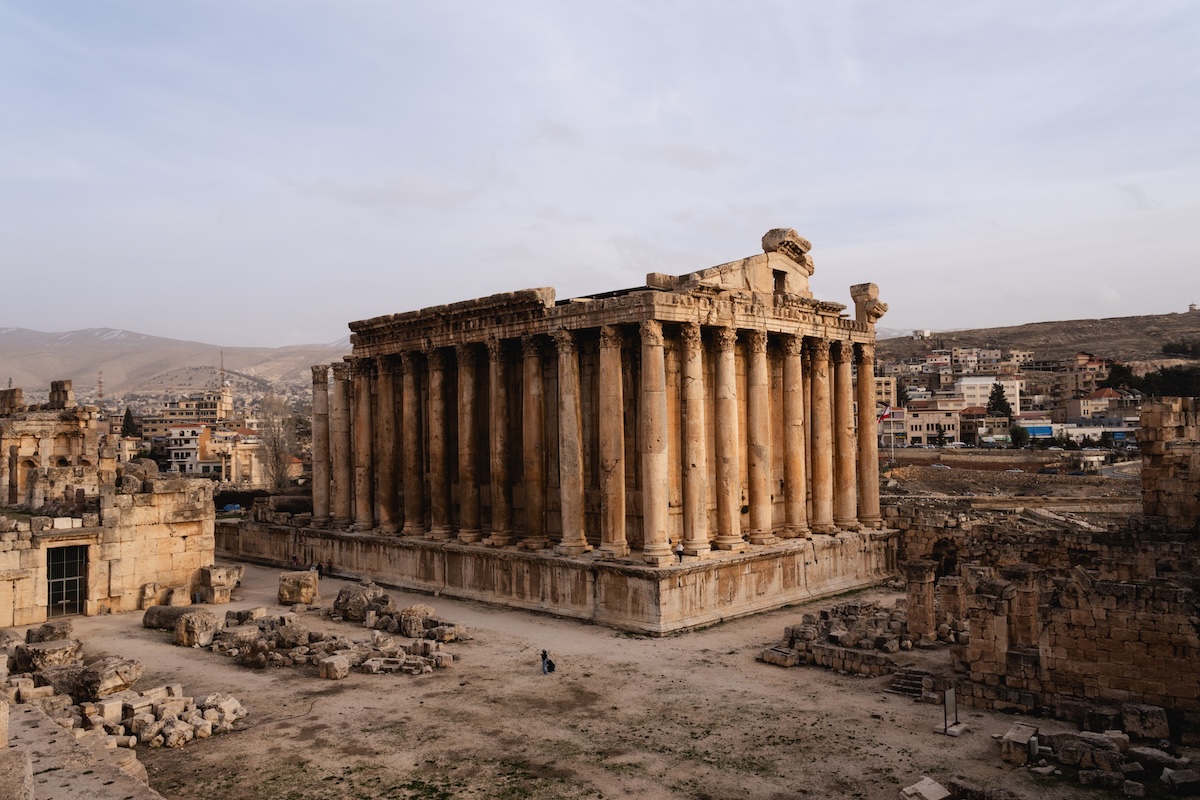
Lebanon is one of the most diverse countries in the Middle East. Despite its small size, it offers an incredible variety of landscapes and experiences: ancient Roman ruins, Ottoman cities, mountain villages, Mediterranean beaches, cedar forests, vibrant nightlife, and some of the most welcoming communities in the region.
In this article, we share our favorite places to visit across Lebanon, including famous historical landmarks, natural wonders, cultural sites, and lesser-known places worth adding to your itinerary.
In this article, we share our favorite places to visit across Lebanon, including famous historical landmarks, natural wonders, cultural sites, and lesser-known places worth adding to your itinerary.
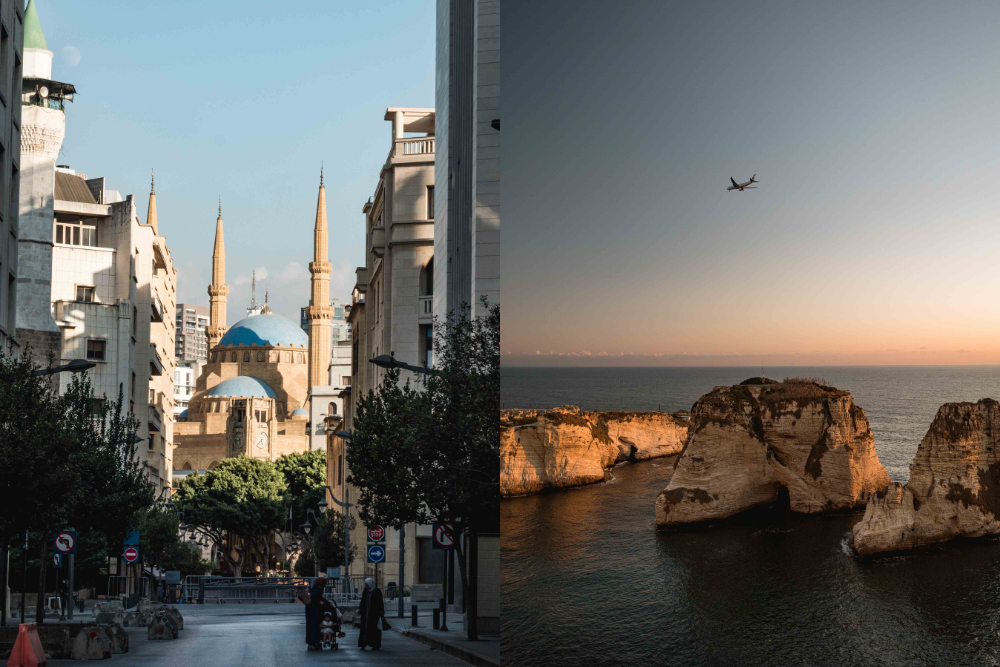
Beirut, Lebanon - Manon Roca
Planning your trip to Lebanon?
Don’t miss our complete Lebanon Travel Guide, where we cover everything you need to know before visiting, including transportation, safety, money, SIM cards, beaches, and practical travel tips.
Looking for accommodation?
Check our dedicated guide Where to Stay in Lebanon, featuring recommended hotels, hostels, and guesthouses across the country.
Want to try the best Lebanese food?
We have gathered our favorite restaurants and bars in Lebanon, from local gems to our favorite spots to enjoy good food and drinks.
You are visiting Lebanon during summer and wondering where to go for a swim?
We asked our community about their favorite beaches, combined their recommendations with official water quality assessments, and put together this guide to help you find the best spots to enjoy the Lebanese coast.
Don’t miss our complete Lebanon Travel Guide, where we cover everything you need to know before visiting, including transportation, safety, money, SIM cards, beaches, and practical travel tips.
Looking for accommodation?
Check our dedicated guide Where to Stay in Lebanon, featuring recommended hotels, hostels, and guesthouses across the country.
Want to try the best Lebanese food?
We have gathered our favorite restaurants and bars in Lebanon, from local gems to our favorite spots to enjoy good food and drinks.
You are visiting Lebanon during summer and wondering where to go for a swim?
We asked our community about their favorite beaches, combined their recommendations with official water quality assessments, and put together this guide to help you find the best spots to enjoy the Lebanese coast.
Tripoli
Tripoli is one of the most authentic cities in Lebanon and, for many travelers, one of the highlights of the country. After Beirut, it is my favorite city in Lebanon.
What I love about Tripoli is that you can truly feel the history of the city as soon as you start wandering through its old souk. It is one of the most unique places in Lebanon. Unlike many other parts of the country, the old city has preserved its soul, with a beautiful mix of medieval architecture, Ottoman heritage, traditional markets, and everyday Lebanese life.
Every time I walk through Tripoli’s old city, I feel inspired. I am amazed by what I discover around every corner: old hammams, beautiful mosques, historic caravanserais, and traditional workshops where artisans still produce soap and sweets using techniques that have been passed down through generations.
For me, one of the best things about Tripoli is simply getting lost in its streets. There is always something happening: people chatting in front of their shops, craftsmen working on traditional products, children playing in the alleys, and the smell of Lebanese sweets coming from small bakeries.
Tripoli is also one of my favorite places in Lebanon for food. Some of the best traditional restaurants in the country are located here, and I always recommend spending time discovering the local cuisine.
El Mina
For sunset, I love going to El Mina, the coastal city just next to Tripoli.
During the golden hour, the old buildings along the waterfront are covered in warm light, creating a beautiful atmosphere. This is also where you will find most of Tripoli’s bars, making it the perfect place to end your day after exploring the old city.
Swimming around Tripoli
Unfortunately, the beaches around Tripoli are not the best places for swimming, as we mentioned in our beach guide.
If you still want to swim, I would recommend keeping in mind that this is a more conservative area. Wearing more covered swimwear rather than a bikini will help you respect local habits and feel more comfortable.
Dress code
Tripoli is mainly a Sunni Muslim city, and I personally recommend dressing modestly when exploring the old city. People are very welcoming, but dressing appropriately will help you avoid unwanted attention and make your experience smoother.
Must-see places include:
From Tripoli, you can also visit the Palm Islands Nature Reserve, a protected group of islands located offshore, known for their beaches, marine biodiversity, and migratory birds.
What I love about Tripoli is that you can truly feel the history of the city as soon as you start wandering through its old souk. It is one of the most unique places in Lebanon. Unlike many other parts of the country, the old city has preserved its soul, with a beautiful mix of medieval architecture, Ottoman heritage, traditional markets, and everyday Lebanese life.
Every time I walk through Tripoli’s old city, I feel inspired. I am amazed by what I discover around every corner: old hammams, beautiful mosques, historic caravanserais, and traditional workshops where artisans still produce soap and sweets using techniques that have been passed down through generations.
For me, one of the best things about Tripoli is simply getting lost in its streets. There is always something happening: people chatting in front of their shops, craftsmen working on traditional products, children playing in the alleys, and the smell of Lebanese sweets coming from small bakeries.
Tripoli is also one of my favorite places in Lebanon for food. Some of the best traditional restaurants in the country are located here, and I always recommend spending time discovering the local cuisine.
El Mina
For sunset, I love going to El Mina, the coastal city just next to Tripoli.
During the golden hour, the old buildings along the waterfront are covered in warm light, creating a beautiful atmosphere. This is also where you will find most of Tripoli’s bars, making it the perfect place to end your day after exploring the old city.
Swimming around Tripoli
Unfortunately, the beaches around Tripoli are not the best places for swimming, as we mentioned in our beach guide.
If you still want to swim, I would recommend keeping in mind that this is a more conservative area. Wearing more covered swimwear rather than a bikini will help you respect local habits and feel more comfortable.
Dress code
Tripoli is mainly a Sunni Muslim city, and I personally recommend dressing modestly when exploring the old city. People are very welcoming, but dressing appropriately will help you avoid unwanted attention and make your experience smoother.
Must-see places include:
- Citadel of Raymond de Saint-Gilles – overlooking the city, this Crusader fortress offers great views over Tripoli.
- Rachid Karami International Fair – an unfinished masterpiece designed by Brazilian architect Oscar Niemeyer. The huge concrete structures are one of the most unique examples of modernist architecture in the Middle East.
- Al Mansouri Mosque and Al Burtasi Mosque – two beautiful examples of medieval Islamic architecture.
- Hammam Al Abed – one of the historic bathhouses of the old city.
- Khan Al Saboun (Soap Market) – a traditional market where Tripoli’s famous handmade soap is produced.
- Souk Al Haraj – one of the most atmospheric markets in the city.
From Tripoli, you can also visit the Palm Islands Nature Reserve, a protected group of islands located offshore, known for their beaches, marine biodiversity, and migratory birds.
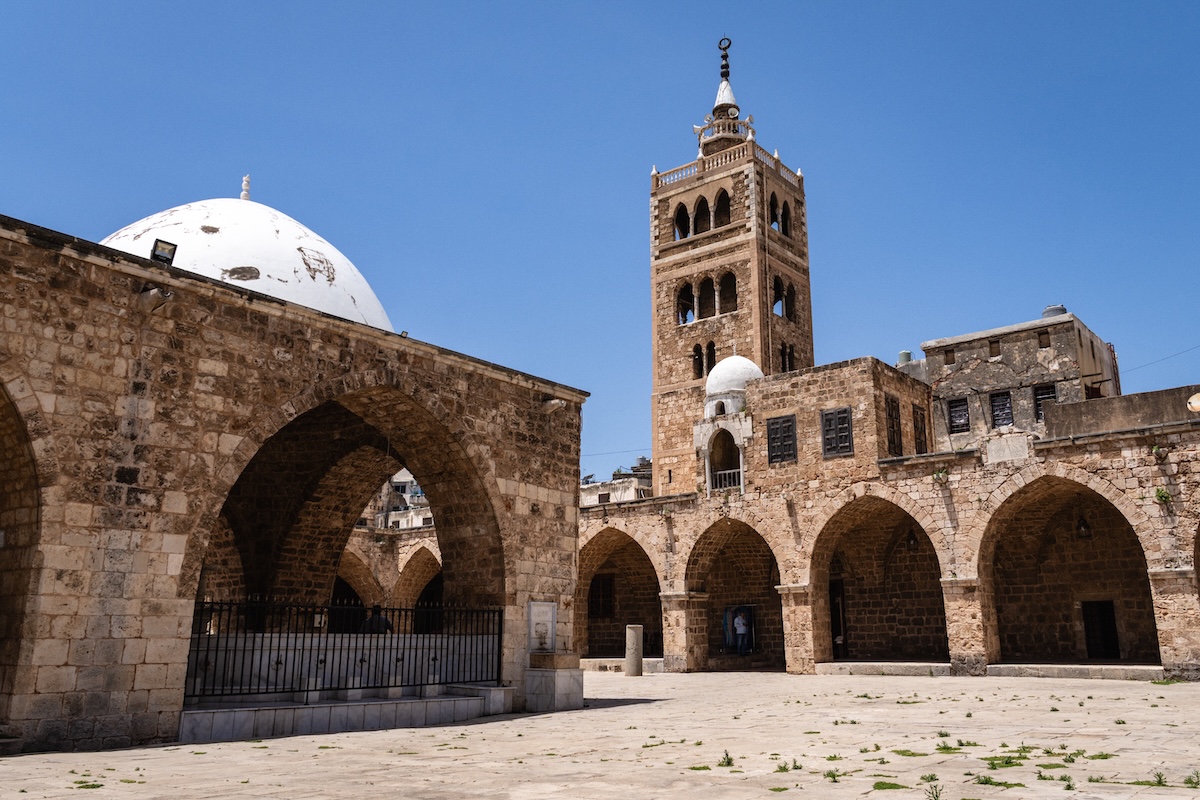
Tripoli, Lebanon - Manon Roca
Batroun
Batroun has become one of Lebanon’s most popular coastal destinations, a small city combining history, beaches, nightlife, and a relaxed Mediterranean atmosphere.
The old town is perfect for walking, with its narrow streets, stone houses, and small cafés. The city was originally a Phoenician settlement, and remains of its ancient past can still be seen today.
Highlights include:
Batroun is also surrounded by some of the best beaches in Lebanon. If you are looking to relax by the Mediterranean, you will find several beautiful beach clubs and swimming spots in the nearby area
The old town is perfect for walking, with its narrow streets, stone houses, and small cafés. The city was originally a Phoenician settlement, and remains of its ancient past can still be seen today.
Highlights include:
- Phoenician Wall – an ancient sea wall built to protect the city from waves.
- Saint Stephen Cathedral
- Batroun Port – a beautiful place for a sunset walk.
- Colonel Beer Brewery – one of Lebanon’s best-known craft breweries.
- White Beach – one of the most famous beaches around Batroun
Batroun is also surrounded by some of the best beaches in Lebanon. If you are looking to relax by the Mediterranean, you will find several beautiful beach clubs and swimming spots in the nearby area
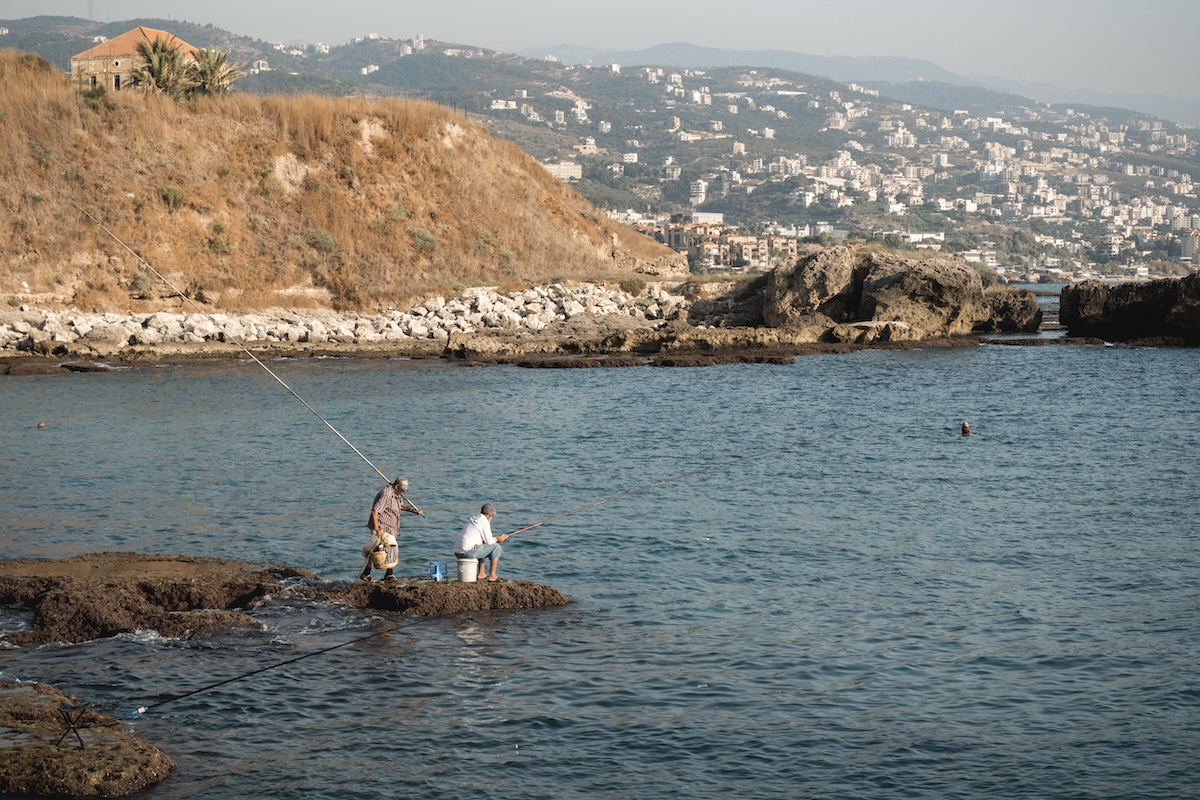
Byblos, Lebanon - Manon Roca
Byblos
Byblos is often considered one of the oldest continuously inhabited cities in the world. Archaeological evidence shows that settlements existed here as early as the Neolithic period, around 7000 BC. The city became a major Phoenician port and an important center for the trade of cedar wood with ancient Egypt. The name “Bible” is believed to come from the Greek name for Byblos, due to its historical connection with papyrus trade.
Do not miss:
Do not miss:
- Byblos Archaeological Site : one of the most important archaeological sites in Lebanon. This UNESCO World Heritage Site takes you through thousands of years of history, from Phoenician temples and Roman remains to medieval fortifications.
- Crusader Castle : built in the 12th century by the Crusaders, this impressive fortress dominates the archaeological site and offers beautiful views over the old city, the harbor, and the Mediterranean Sea.
- Old Souks
- Historic Port : one of the most picturesque spots in Byblos
- Saint John-Marc Church : built in the 12th century by the Crusaders, it is one of the most important religious landmarks in Byblos
- Memory of Time Fossil Museum : a unique museum displaying one of the largest collections of marine fossils in the region
Jounieh / Harissa
While the city itself is mostly known for its seaside resorts and nightlife, its main highlight is the connection between the coast and the mountains through the famous Harissa Cable Car. It takes you high above the bay, offering spectacular views over Jounieh, the Mediterranean Sea, and the surrounding mountains. At the top, you will reach the Sanctuary of Our Lady of Lebanon, one of the most recognizable religious monuments in the country. The large white statue of the Virgin Mary overlooking the coast has become a symbol of Lebanon and offers one of the most beautiful viewpoints in the country.
The old town of Jounieh is the nicest part to explore, with traditional stone buildings, small streets, cafés, and a more local atmosphere compared to the modern coastal areas.
The old town of Jounieh is the nicest part to explore, with traditional stone buildings, small streets, cafés, and a more local atmosphere compared to the modern coastal areas.
Qadisha valley
The Qadisha Valley, listed as a UNESCO World Heritage Site, has been a refuge for Christian monastic communities for more than a thousand years. Carved between enormous cliffs and deep green mountains, the valley is famous for its ancient monasteries and churches built directly into the rocks. For centuries, the caves and isolated cliffs of Qadisha provided protection and a place of retreat for monks and religious communities, especially the Maronite Christians who established some of Lebanon’s oldest monastic traditions here.
The village of Bsharri, located at the entrance of the valley, is the birthplace of Gibran Khalil Gibran, one of Lebanon’s most famous writers, poets, and artists. He is famous for The Prophet, one of his most famous books. The town has a strong connection to his legacy, and visiting his museum is a must for anyone interested in Lebanese culture.
The village of Bsharri, located at the entrance of the valley, is the birthplace of Gibran Khalil Gibran, one of Lebanon’s most famous writers, poets, and artists. He is famous for The Prophet, one of his most famous books. The town has a strong connection to his legacy, and visiting his museum is a must for anyone interested in Lebanese culture.
Historical & cultural landmarks
- Monastery of Qozhaya (Deir Mar Antonios Qozhaya)
One of the oldest monasteries in Lebanon, hidden deep inside the valley. It is famous for its peaceful atmosphere and its historic role in preserving Christian traditions.
You can even sleep there; more details here.
📍 Kousba, Koura District
Built on the edge of a mountain overlooking the valley, Hamatoura Monastery is famous for its impressive location and the hike required to reach it.
- Monastery of Mar Lishaa (Deir Mar Lichaa)
A monastery built directly into the cliffs of the valley. It offers beautiful views over Qadisha and is one of the easiest monasteries to visit around Bcharre.
📍 Wadi Qannoubine, Qadisha Valley
One of the most important monasteries in Qadisha. It was the seat of the Maronite Patriarchate for several centuries and remains one of the main historical sites of the valley.
📍 Wadi Qannoubine, Qadisha Valley
A historical religious site located near Qannoubine Monastery.
What to do in Qadisha Valley
- Hike in Wadi Qannoubine
- La Jetée – Bcharre
- Coffee to Go – Bcharre
- Al Naher Restaurant – Bcharre
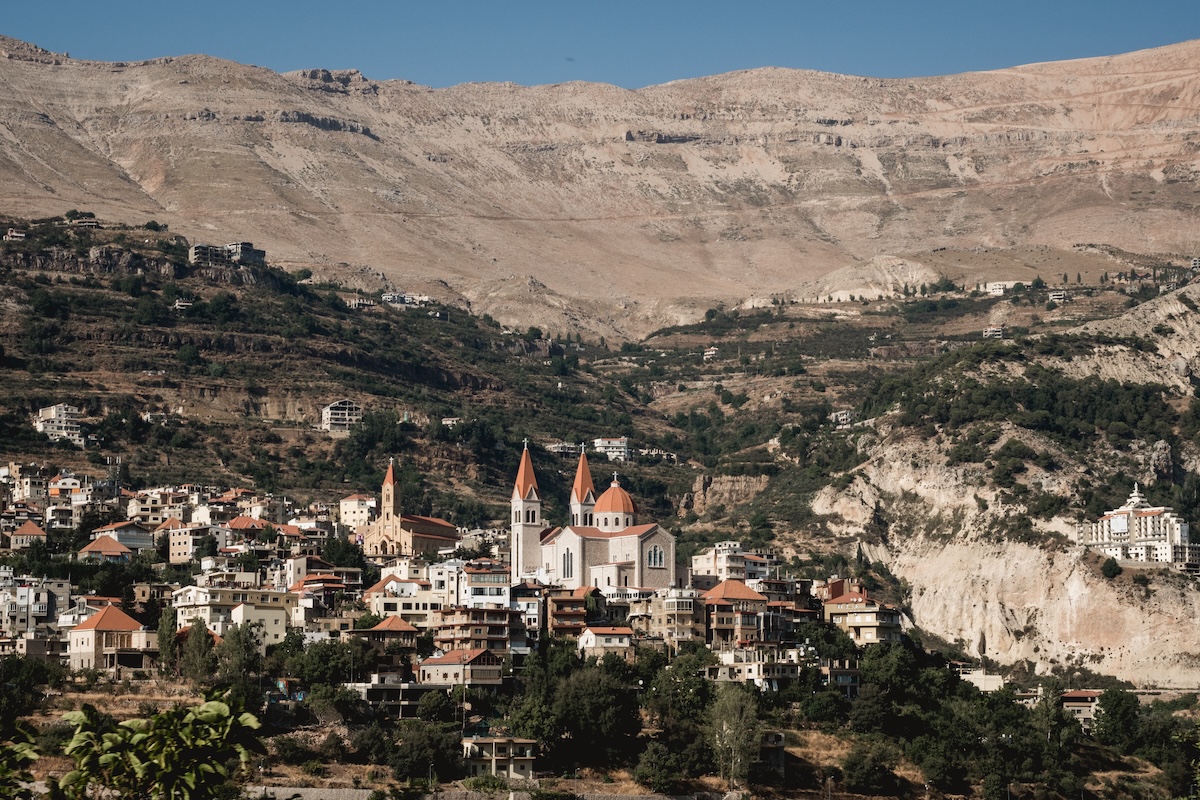
Bsharri, Lebanon - Manon Roca
Tannourine
Located between the mountains of Batroun and Bsharri, Tannourine is one of the best destinations in Lebanon for nature lovers. Less visited than Qadisha, the region offers incredible landscapes, ancient cedar forests, waterfalls, and hiking trails.
Must-see places:
Must-see places:
- Tannourine Cedars Reserve : one of the largest cedar forests in Lebanon
- Baatara Waterfall (Three Bridges Sinkhole) : during the rainy season (january/february) and spring snowmelt, water falls through a 255-meter-deep limestone cave, passing through three natural rock bridges.
- Mar Mikhaël Monastery : a peaceful mountain monastery surrounded by beautiful landscapes.
Mount Lebanon
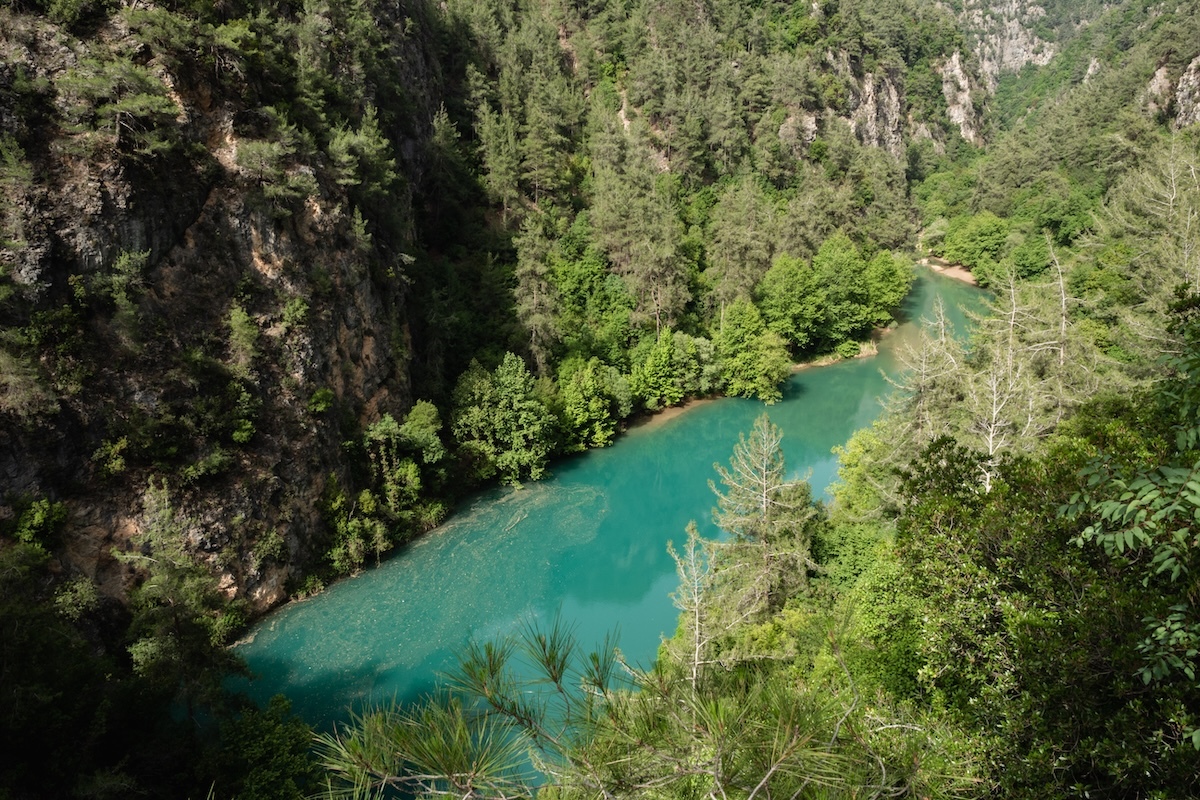
The Jabal Moussa Biosphere Reserve is one of the best hiking destinations near Beirut. This protected area combines forests, traditional villages, archaeological remains, and incredible views over the Mediterranean.
Beirut
Often called "The Lady of the World" (Sitt el Dounia – ست الدنيا). The city has a history going back thousands of years, with the first settlements dating back to ancient times. Over the centuries, Beirut was shaped by many civilizations, including the Phoenicians, Romans, Byzantines, Arabs, Ottomans, and French.
Beirut is my forever number one favorite city in Lebanon. What I love about her is that you can simply walk around the city and feel everything it has lived through. The history of Beirut is everywhere, especially its modern history. The city has gone through many different phases, and you can still see the scars of the war it endured: damaged buildings, bullet holes, abandoned places, and neighborhoods that are constantly rebuilding themselves.
What I also love about Beirut is that it reminds me of my hometown, Marseille. Like Marseille, it is a Mediterranean city with a strong connection to the sea, one of my favorite things to do in Beirut is to walk along the Corniche early in the morning or during sunset.
Beirut has many different faces, and I will mention here some of the most famous neighborhoods. But honestly, Beirut is a city that you discover by walking. The best way to experience it is simply to get lost in its streets.
A good base to explore the country you can find where to stay by consulting our dedicated article.
Beirut is my forever number one favorite city in Lebanon. What I love about her is that you can simply walk around the city and feel everything it has lived through. The history of Beirut is everywhere, especially its modern history. The city has gone through many different phases, and you can still see the scars of the war it endured: damaged buildings, bullet holes, abandoned places, and neighborhoods that are constantly rebuilding themselves.
What I also love about Beirut is that it reminds me of my hometown, Marseille. Like Marseille, it is a Mediterranean city with a strong connection to the sea, one of my favorite things to do in Beirut is to walk along the Corniche early in the morning or during sunset.
Beirut has many different faces, and I will mention here some of the most famous neighborhoods. But honestly, Beirut is a city that you discover by walking. The best way to experience it is simply to get lost in its streets.
A good base to explore the country you can find where to stay by consulting our dedicated article.
Burj Hammoud
The Armenian neighborhood of Beirut, created by Armenians who arrived in Lebanon after fleeing the Armenian genocide in the early 20th century.
I love this neighborhood because it feels like a completely different city. Walking around, you will see Armenian flags everywhere, signs written in Armenian, Armenian churches, traditional shops, and restaurants serving some of the best food in Beirut. The community today is Armenian Lebanese, with people who have built a strong identity combining both cultures.
It is also one of the best places in Beirut to eat shawarma and discover Armenian and Lebanese cuisine (Mano restaurant and Abou Hassan for breakfast to not mention them).
I love this neighborhood because it feels like a completely different city. Walking around, you will see Armenian flags everywhere, signs written in Armenian, Armenian churches, traditional shops, and restaurants serving some of the best food in Beirut. The community today is Armenian Lebanese, with people who have built a strong identity combining both cultures.
It is also one of the best places in Beirut to eat shawarma and discover Armenian and Lebanese cuisine (Mano restaurant and Abou Hassan for breakfast to not mention them).
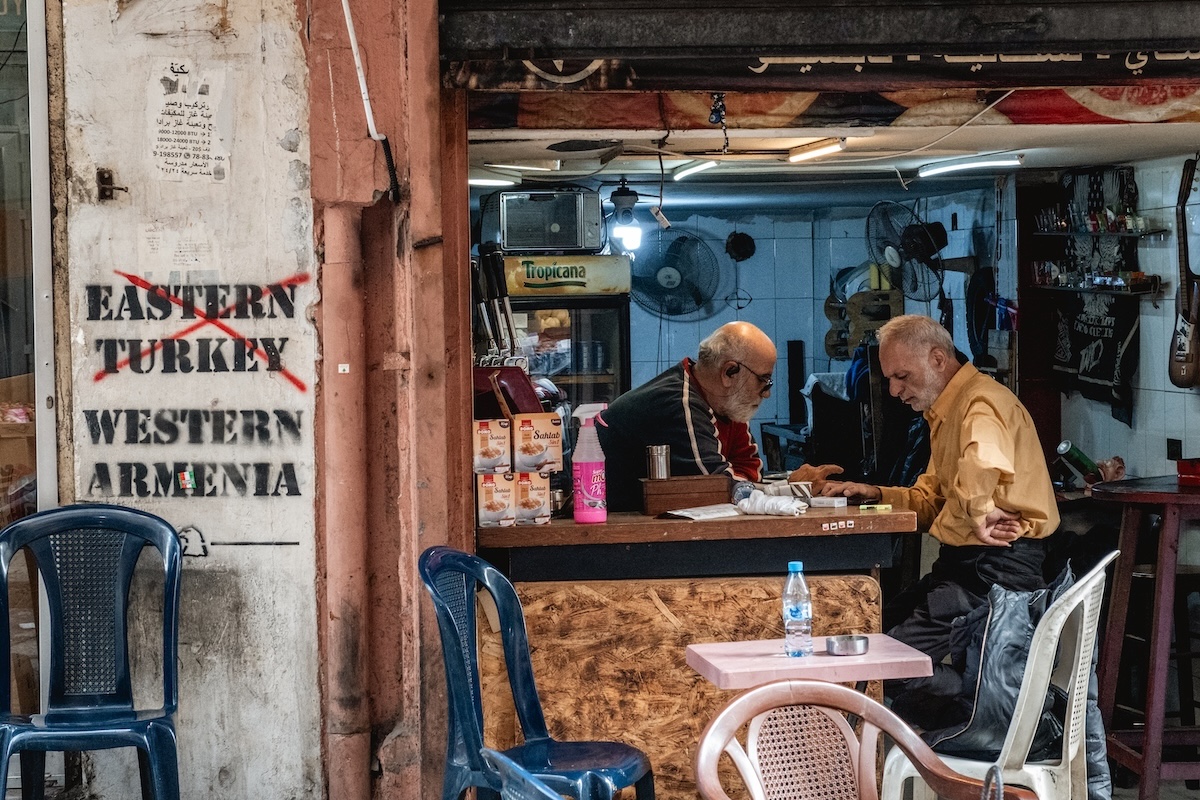
Burj Hammoud, Beirut - Manon Roca
Ashrafieh
One of Beirut’s oldest and most elegant neighborhoods. Located on the eastern side of the city, it is known for its beautiful old houses, traditional architecture, cafés, and more upscale atmosphere.
Two neighborhoods, Gemmayzeh and Mar Mikhael, are among my favorite places in Beirut.
Gemmayzeh and Mar Mikhael are where you will find some of the city’s best nightlife, bars, cafés, restaurants, and creative spaces. The streets are filled with old Lebanese houses, colorful balconies, art galleries, and a mix of locals and foreigners. It is one of the best areas to spend an evening, whether you want to have a drink, discover Lebanese food, or simply walk around.
One of the nicest restaurants in this area is Loris, which I personally recommend.
Do not miss:
Two neighborhoods, Gemmayzeh and Mar Mikhael, are among my favorite places in Beirut.
Gemmayzeh and Mar Mikhael are where you will find some of the city’s best nightlife, bars, cafés, restaurants, and creative spaces. The streets are filled with old Lebanese houses, colorful balconies, art galleries, and a mix of locals and foreigners. It is one of the best areas to spend an evening, whether you want to have a drink, discover Lebanese food, or simply walk around.
One of the nicest restaurants in this area is Loris, which I personally recommend.
Do not miss:
- Sursock Museum : a beautiful mansion turned museum showcasing modern and contemporary art.
- Beit Beirut Museum : located in the historic Sodeco area, this former building from the civil war has been transformed into a cultural space documenting Beirut’s history.
Badaro
If you are looking for a more relaxed nightlife atmosphere, especially with a slightly older crowd, Badaro is a great place to go. The neighborhood has many cafés, bars, and restaurants, but with a calmer atmosphere compared to Gemmayzeh and Mar Mikhael. Very nice place for an evening out.
Don't forget to visit the National Museum of Beirut : the best place to discover Lebanon’s archaeological history, with collections covering thousands of years of civilizations that shaped the country.
Don't forget to visit the National Museum of Beirut : the best place to discover Lebanon’s archaeological history, with collections covering thousands of years of civilizations that shaped the country.
Downtown Beirut
Downtown Beirut is one of the most interesting areas to understand the history of the city. Around Martyrs’ Square, you can feel the contrast between the restored historical buildings, modern architecture, and empty spaces left by Lebanon’s difficult past.
The area can sometimes feel a little strange because some parts remain quiet and almost abandoned, but it is also a place that tells an important story about Beirut.
Do not miss:
The area can sometimes feel a little strange because some parts remain quiet and almost abandoned, but it is also a place that tells an important story about Beirut.
Do not miss:
- Martyrs’ Square : one of the most symbolic places in modern Lebanese history.
- Mohammad Al-Amin Mosque : one of Beirut’s most recognizable landmarks, famous for its blue domes.
- Saint George Maronite Cathedral : located just next to the mosque, showing the religious diversity of the city.
- Beirut Souks : a modern shopping area built near the historic markets.
Zaitunay Bay
Zaitunay Bay is one of Beirut’s most popular seaside spots. The area was originally known as Saint George Bay, named after the historic Saint Georges Hotel located along the waterfront. Today, it has been transformed into a modern marina with restaurants, cafés, and a beautiful promenade overlooking the sea. It is a nice place to come on weekends, especially for breakfast or lunch by the port, enjoying the boats, the Mediterranean atmosphere, and the views of the city.
Saint Georges Hotel is one of Beirut’s most iconic landmarks. Built in the 1930s, this luxurious hotel was once one of the most prestigious hotels in the Middle East and welcomed many famous guests. Located directly by the sea, with its unique architecture and views over the Mediterranean, it remains one of the most impressive buildings on Beirut’s coastline.
You will find the Holiday Inn Beirut, one of the most famous symbols of the Lebanese Civil War. Opened in 1974, the hotel quickly became one of the main battlegrounds during the war because of its strategic location overlooking the city and the sea. Today, the abandoned building still carries the scars of the conflict, with its damaged façade standing as a powerful reminder of Beirut’s recent history.
From there, you can continue walking along BIEL (Beirut International Exhibition & Leisure Center), a beautiful seaside promenade where you can enjoy one of the best views in the city. On clear days, you can see the Mediterranean stretching in front of you and the mountains of Lebanon rising behind the city.
Saint Georges Hotel is one of Beirut’s most iconic landmarks. Built in the 1930s, this luxurious hotel was once one of the most prestigious hotels in the Middle East and welcomed many famous guests. Located directly by the sea, with its unique architecture and views over the Mediterranean, it remains one of the most impressive buildings on Beirut’s coastline.
You will find the Holiday Inn Beirut, one of the most famous symbols of the Lebanese Civil War. Opened in 1974, the hotel quickly became one of the main battlegrounds during the war because of its strategic location overlooking the city and the sea. Today, the abandoned building still carries the scars of the conflict, with its damaged façade standing as a powerful reminder of Beirut’s recent history.
From there, you can continue walking along BIEL (Beirut International Exhibition & Leisure Center), a beautiful seaside promenade where you can enjoy one of the best views in the city. On clear days, you can see the Mediterranean stretching in front of you and the mountains of Lebanon rising behind the city.
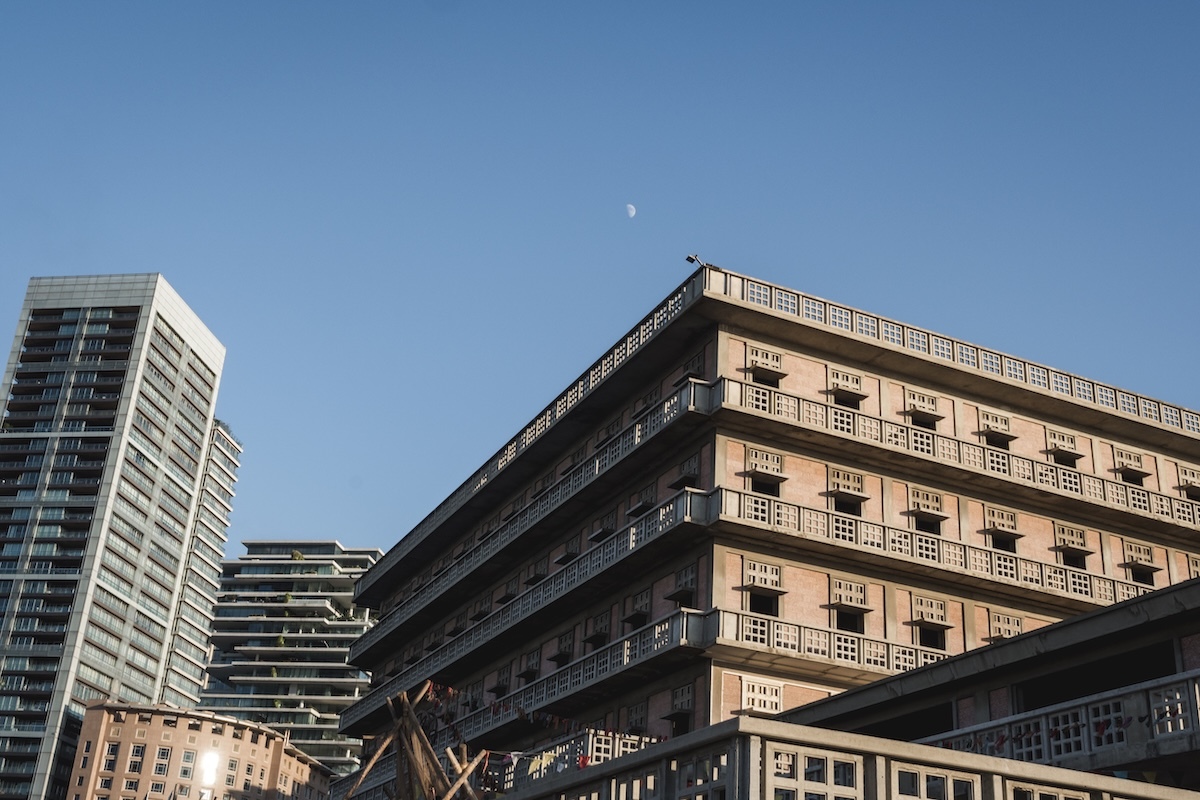
Saint Georges Hotel, Beirut - Manon Roca
Hamra
Hamra is probably the closest thing Beirut has to a traditional city center.
I personally love Hamra because it feels alive all day long. The streets are full of cafés, bookstores, restaurants, universities, and local shops. It has always been one of Beirut’s cultural hearts.
From Hamra, you can easily walk towards the sea and reach the Corniche, where you will find one of Beirut’s most famous landmarks:
Raouché Rocks, is also located in this area, the iconic rock formations standing in the Mediterranean, especially beautiful at sunset.
I personally love Hamra because it feels alive all day long. The streets are full of cafés, bookstores, restaurants, universities, and local shops. It has always been one of Beirut’s cultural hearts.
From Hamra, you can easily walk towards the sea and reach the Corniche, where you will find one of Beirut’s most famous landmarks:
Raouché Rocks, is also located in this area, the iconic rock formations standing in the Mediterranean, especially beautiful at sunset.
Dahieh (Southern Beirut)
The southern suburbs of Beirut, known as Dahieh (الضاحية), are home to one of the largest Shia communities in Lebanon.
This neighborhood is often misunderstood by visitors, but I personally find it a very interesting part of Beirut. People are extremely welcoming, and you can find some of the best restaurants in Lebanon there.
You can absolutely visit Dahieh as a tourist, but there are important things to keep in mind: avoid taking photos or videos of people, buildings, or security-related areas without permission. Because of Lebanon’s political situation and the history of foreign intelligence operations in the area, people can be very cautious when they see foreigners filming. You will most likely be treated respectfully, but you may be questioned for a long time, so it is better to be careful and respectful.
This neighborhood is often misunderstood by visitors, but I personally find it a very interesting part of Beirut. People are extremely welcoming, and you can find some of the best restaurants in Lebanon there.
You can absolutely visit Dahieh as a tourist, but there are important things to keep in mind: avoid taking photos or videos of people, buildings, or security-related areas without permission. Because of Lebanon’s political situation and the history of foreign intelligence operations in the area, people can be very cautious when they see foreigners filming. You will most likely be treated respectfully, but you may be questioned for a long time, so it is better to be careful and respectful.
Bekaa Valley
Baalbek
The most impressive historical sites in Lebanon and one of the greatest Roman archaeological complexes in the world.
Located in the Beqaa Valley, the city was known as Heliopolis (“City of the Sun”) during the Roman period and became one of the most important religious centers of the Roman Empire. The enormous scale of its temples, the perfectly carved stones, and the mystery surrounding their construction make Baalbek a place unlike anywhere else in Lebanon. Hard to imagine that these structures seen from the modern city were built almost 2,000 years ago.
Located in the Beqaa Valley, the city was known as Heliopolis (“City of the Sun”) during the Roman period and became one of the most important religious centers of the Roman Empire. The enormous scale of its temples, the perfectly carved stones, and the mystery surrounding their construction make Baalbek a place unlike anywhere else in Lebanon. Hard to imagine that these structures seen from the modern city were built almost 2,000 years ago.
- Baalbek Archaeological Site (Roman Heliopolis) – The entire complex is one of the most impressive Roman archaeological sites in the world. Known as Heliopolis (“City of the Sun”) during the Roman period, it was one of the most important religious centers of the Roman Empire. The entrance ticket gives access to the full site, including the three main temples: Temple of Jupiter, Temple of Bacchus, and Temple of Venus.
- Stone of the Pregnant Woman (Hajar El Hibla) : one of the largest known ancient stone blocks in the world, weighing hundreds of tons. Located in a nearby quarry, it remains a fascinating example of the incredible engineering skills of ancient builders.
- Sayyida Khawla Mosque : a Shia Muslim shrine located near the archaeological site.
Anjar
Located in the eastern Beqaa Valley, Anjar offers a completely different historical experience from Baalbek. While Baalbek reflects the grandeur of the Roman Empire, Anjar is one of the few places in Lebanon showcasing the legacy of the Umayyad period (8th century).
Built during the reign of Caliph Al-Walid I, Anjar was designed as a planned commercial city, with a unique layout influenced by Roman urban planning. Walking through its ruins, you can see the remains of streets, arcades, palaces, baths, and mosques, giving a fascinating insight into the early Islamic period.
Anjar is a great stop to combine with Baalbek, as both sites show two completely different chapters of Lebanon’s long and diverse history.
Do not miss:
Built during the reign of Caliph Al-Walid I, Anjar was designed as a planned commercial city, with a unique layout influenced by Roman urban planning. Walking through its ruins, you can see the remains of streets, arcades, palaces, baths, and mosques, giving a fascinating insight into the early Islamic period.
Anjar is a great stop to combine with Baalbek, as both sites show two completely different chapters of Lebanon’s long and diverse history.
Do not miss:
- Umayyad Ruins of Anjar : a UNESCO World Heritage Site and one of the best examples of Umayyad architecture in the world. The organized streets, columns, and stone structures make it feel very different from Lebanon’s other archaeological sites.
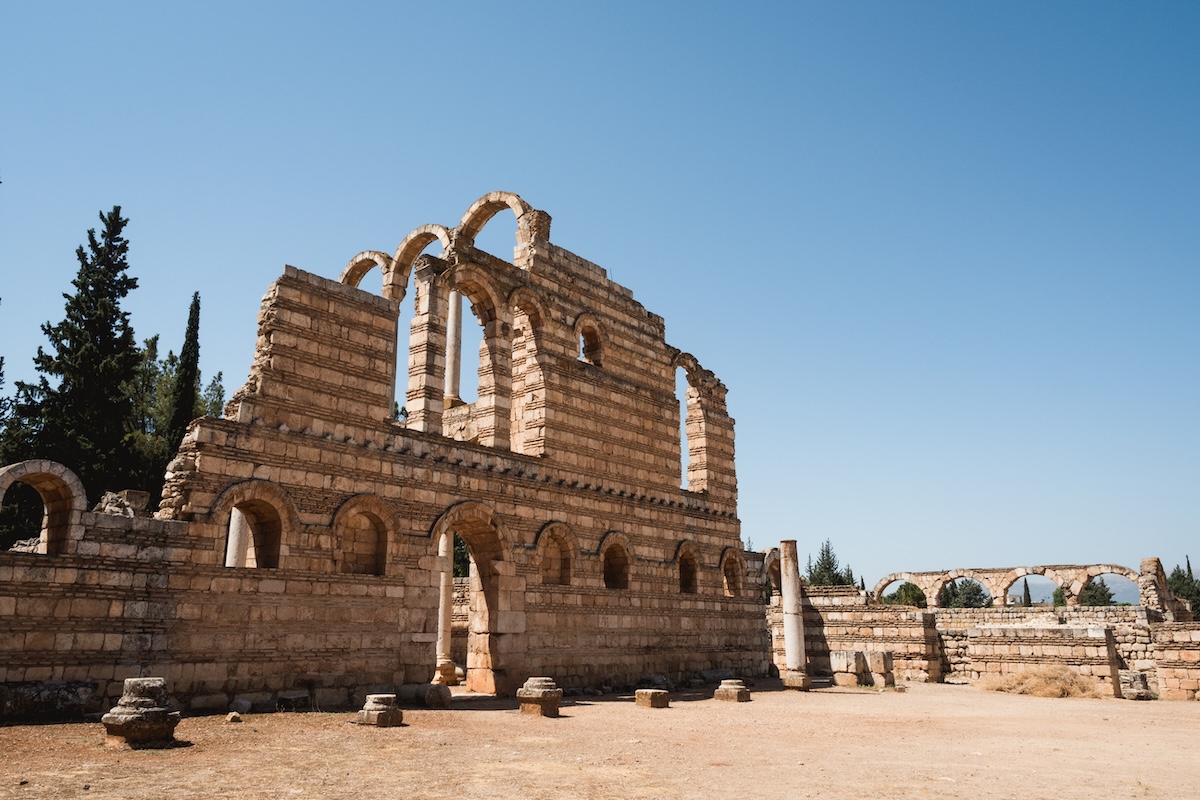
Anjar, Lebanon - Manon Roca
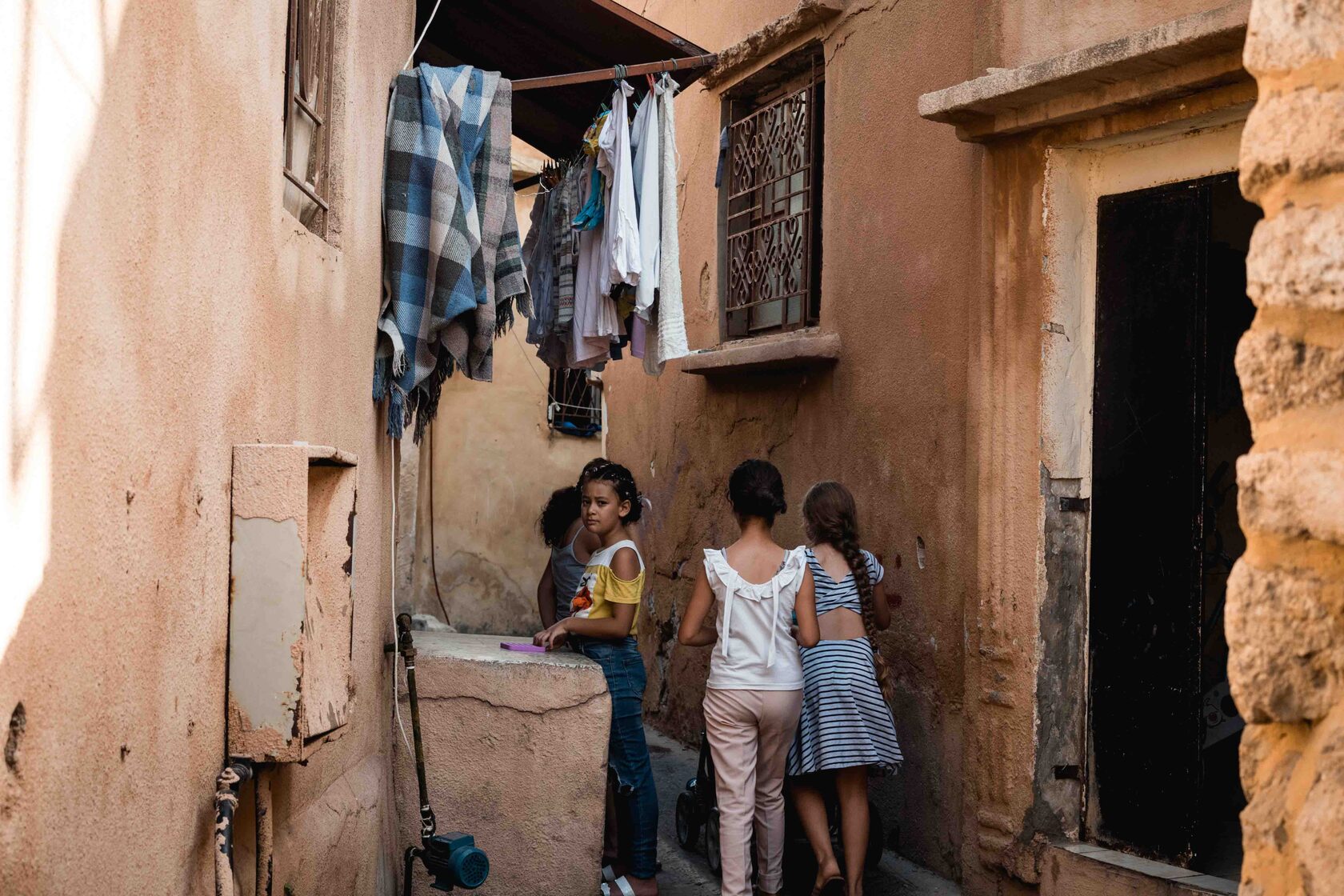
Tyre, Lebanon - Manon Roca
Chouf region
Located in the Chouf Mountains, Deir El Qamar was once the first capital of Mount Lebanon and an important political and cultural center during the Ottoman period.
Walking through its narrow streets, old stone houses, and traditional squares feels like stepping back in time. The village is especially interesting because it reflects Lebanon’s religious and cultural diversity, with churches, a mosque, and one of the few remaining historic synagogues in the country.
Do not miss:
While exploring the Chouf region, I highly recommend taking some time to leave the main tourist spots and discover the smaller villages scattered across the mountains.
Walking through its narrow streets, old stone houses, and traditional squares feels like stepping back in time. The village is especially interesting because it reflects Lebanon’s religious and cultural diversity, with churches, a mosque, and one of the few remaining historic synagogues in the country.
Do not miss:
- Fakhreddine Palace : the former residence of Emir Fakhreddine II, one of Lebanon’s most important historical figures, who ruled Mount Lebanon in the 17th century and helped develop the region.
- Beiteddine Palace : a magnificent Ottoman-era palace built by Emir Bashir II in the 19th century, famous for its beautiful courtyards, mosaics, and architecture.
- Qasr Moussa : a unique castle built by Moussa Abdel Karim Al Maamari over several decades
- Church of Our Lady of the Hill (Saydet El Talleh) : one of the most important churches in the village, located on a hill overlooking Deir El Qamar.
- Deir El Qamar Synagogue : a historic synagogue dating back to the 17th century, reflecting the religious diversity that existed in the village.
- Marie Baz Museum : a small museum displaying a collection of historical objects and artworks.
While exploring the Chouf region, I highly recommend taking some time to leave the main tourist spots and discover the smaller villages scattered across the mountains.
- Moukhtara El Chouf : a historic village closely associated with the Jumblatt family and the Druze community. It is the hometown of Walid Jumblatt and has long been an important political and cultural center in the region.
- Niha El Chouf : beautiful mountain village offering some of the most impressive views in the area. One of the highlights is the Shrine of Prophet Ayyoub (Job), an important religious site located in a peaceful mountain setting. The drive to Niha itself is worth it for the panoramic views over the surrounding valleys.
- Maaser El Chouf : located at a higher altitude, this village is famous for being the gateway to the Chouf Cedar Nature Reserve, home to some of Lebanon’s oldest cedar trees. At around 1,900 meters above sea level, the area offers spectacular views and some of the best hiking opportunities in the Chouf.
- Mazraat El Chouf : quiet mountain life and traditional houses
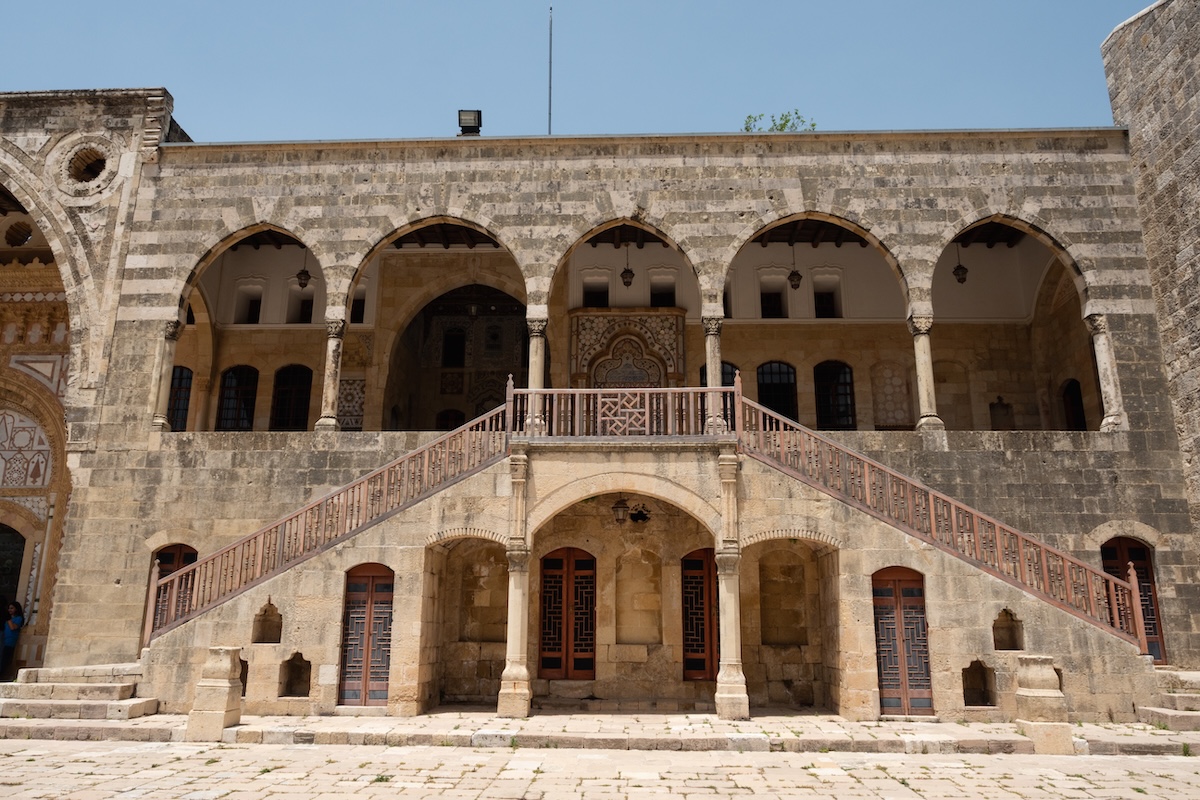
Beiteddine Palace, Lebanon - Manon Roca
Saida
One of the oldest continuously inhabited cities in the world, with a history going back more than 6,000 years. Founded by the Phoenicians, the city became one of the most important ports of the ancient Mediterranean and played a major role in trade, craftsmanship, and cultural exchange throughout history.
The most famous falafel spot in Lebanon is located in Saida: don’t miss a stop at Falfoul Abu Rami. This small local institution is known for its delicious falafel sandwiches and has become a must-try experience when visiting the city.
Do not miss:
The most famous falafel spot in Lebanon is located in Saida: don’t miss a stop at Falfoul Abu Rami. This small local institution is known for its delicious falafel sandwiches and has become a must-try experience when visiting the city.
Do not miss:
- Sidon Sea Castle (Saida Sea Castle) : the symbol of the city and one of Lebanon’s most famous landmarks. Built by the Crusaders in the 13th century on a small island connected to the shore by a stone bridge, the castle offers beautiful views over the old city and the Mediterranean.
- Khan al-Franj : a historic caravanserai built during the Ottoman period, once used to welcome merchants and travelers. Today, it is one of the best places to feel the commercial history of Sidon.
- Old Souks : my favorite parts of Saida.
- Soap Museum : a unique museum explaining the traditional process of making olive oil soap, one of Sidon’s oldest crafts.
- Saint Louis Castle : located on a hill just outside the old city, this Crusader fortress offers a different perspective on Sidon’s long history and a nice view over the surrounding area.
- Temple of Eshmun : located around 3 km outside Sidon, this is one of the most important Phoenician archaeological sites in Lebanon. Dedicated to Eshmun, the Phoenician god of healing, the site gives a fascinating insight into the ancient history of the city.
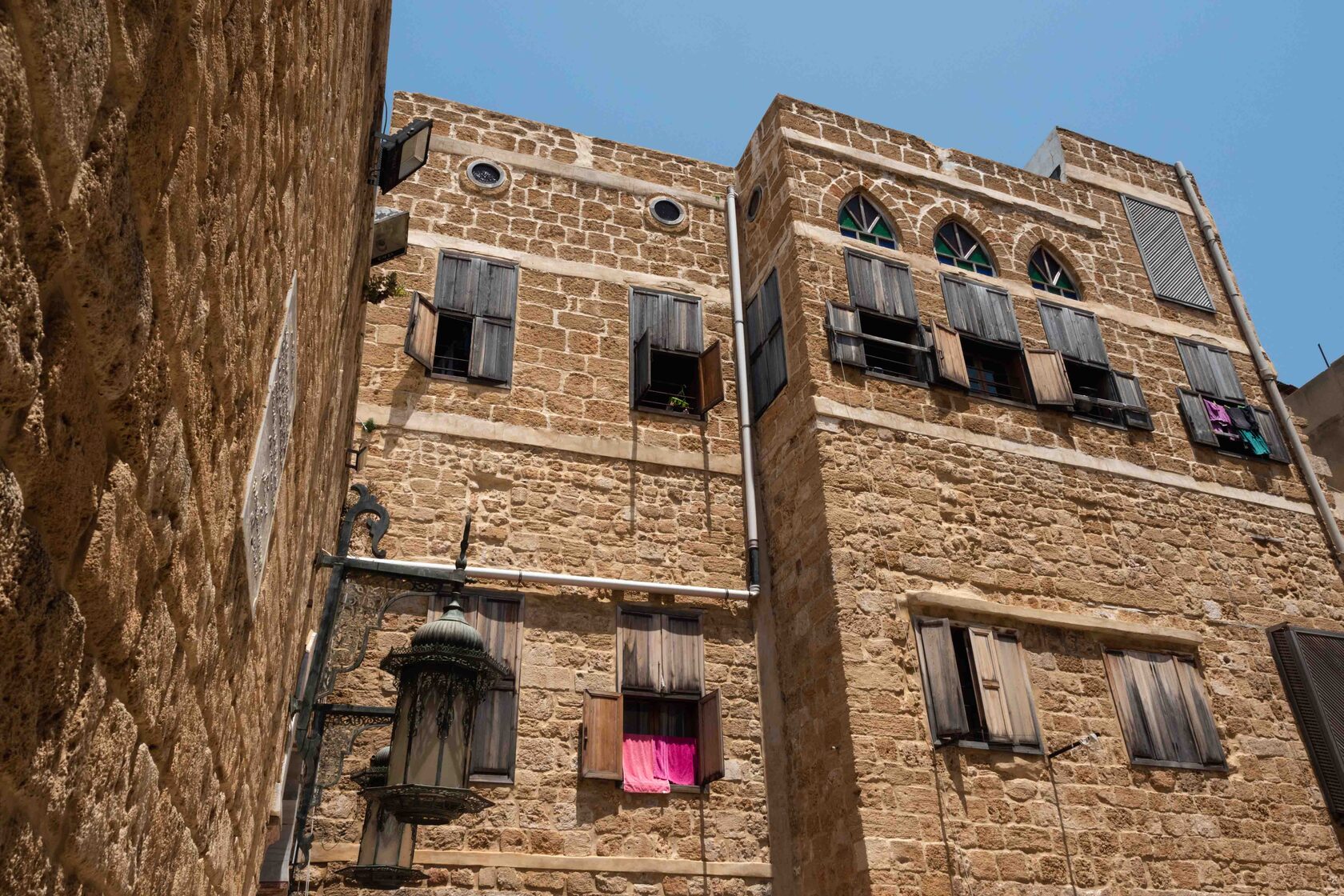
Saida - Manon Roca
Jezzine
Jezzine is a beautiful mountain towns in South Lebanon. Surrounded by pine forests, valleys, and impressive mountain landscapes, the town is famous for its waterfalls, traditional crafts, and peaceful atmosphere. It is also known as the “City of Falls” because of its spectacular waterfall overlooking the valley.
Do not miss:
Do not miss:
- Jezzine Waterfall : the symbol of the town and one of Lebanon’s most famous natural landmarks.
- Saint Anthony of Padua Church : a beautiful church located in the heart of Jezzine, reflecting the strong Christian heritage of the region.
- Traditional Jezzine knife workshops: Jezzine is famous across Lebanon for its handcrafted cutlery, especially its traditional knives decorated with unique handles made from materials such as horn and bone. The craft has been passed down through generations and remains one of the town’s most distinctive traditions.
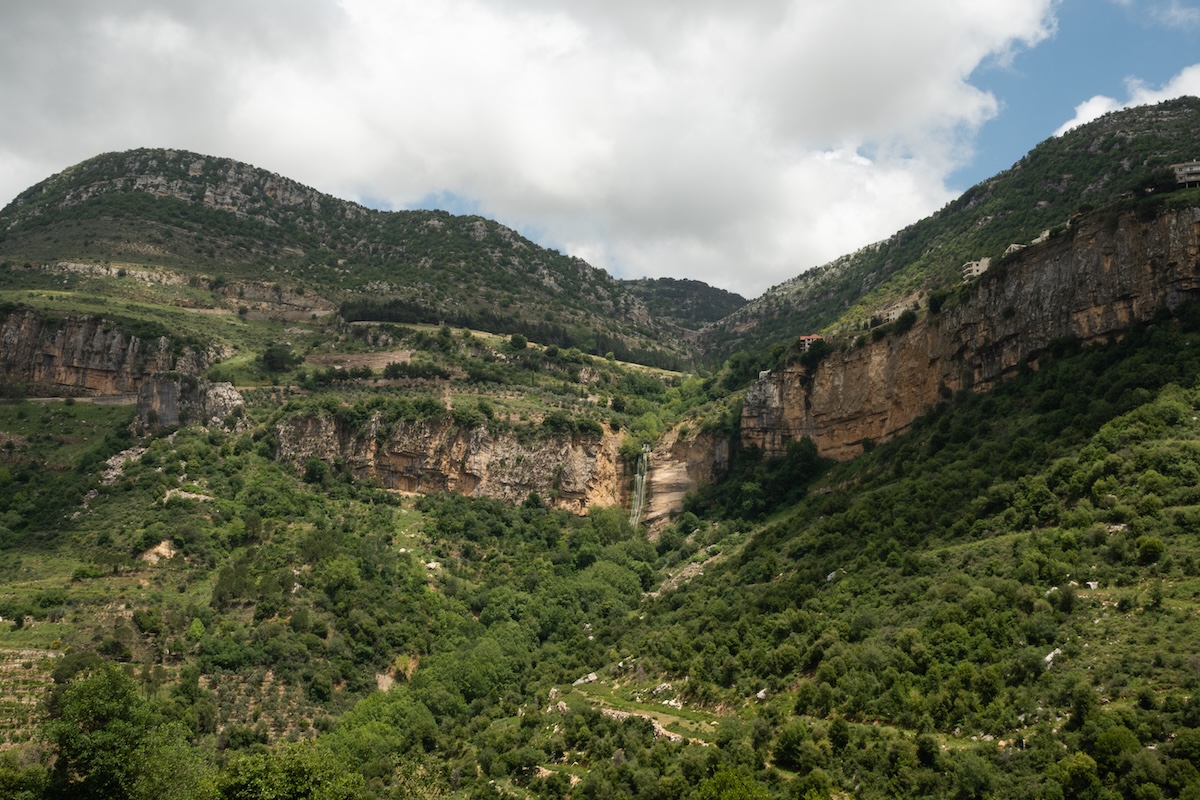
Jezzine waterfall, Lebanon - Manon Roca
{$te}
The region has been deeply affected by the recent conflict. Since October 2023, South Lebanon has been repeatedly targeted by Israeli airstrikes and shelling, causing widespread destruction and significant displacement of local communities. Many villages, homes, infrastructure, and historical sites have been damaged or destroyed, and several areas remain inaccessible or unsafe for visitors.
For this reason, while South Lebanon remains a region of incredible historical and cultural importance, travelers should carefully check the security situation before planning a visit.
Nabatieh is one of the main cities of South Lebanon and has long been an important cultural and commercial center for the region. Its traditional market was once one of the most vibrant in the South, attracting people from surrounding villages. Unfortunately, the city has suffered extensive damage during the recent conflict, and many parts of it have been heavily affected.
Khiam is another historically significant town in South Lebanon. It is best known for Khiam Prison, a detention center that operated during the Israeli occupation of South Lebanon and became one of the most symbolic places connected to the region’s modern history. The site documented the experiences of many detainees during that period.
Today, due to the destruction and ongoing security situation, both Nabatieh and Khiam remain places that require caution, and several sites are currently not accessible to visitors.
For this reason, while South Lebanon remains a region of incredible historical and cultural importance, travelers should carefully check the security situation before planning a visit.
Nabatieh is one of the main cities of South Lebanon and has long been an important cultural and commercial center for the region. Its traditional market was once one of the most vibrant in the South, attracting people from surrounding villages. Unfortunately, the city has suffered extensive damage during the recent conflict, and many parts of it have been heavily affected.
Khiam is another historically significant town in South Lebanon. It is best known for Khiam Prison, a detention center that operated during the Israeli occupation of South Lebanon and became one of the most symbolic places connected to the region’s modern history. The site documented the experiences of many detainees during that period.
Today, due to the destruction and ongoing security situation, both Nabatieh and Khiam remain places that require caution, and several sites are currently not accessible to visitors.
Sour (Tyre)
One of the oldest continuously inhabited cities in the world, with a history going back more than 5,000 years. Founded by the Phoenicians, it became one of the most powerful maritime cities of the ancient Mediterranean.
Today, Sour is one of the most fascinating cities in South Lebanon because it perfectly combines ancient history with a relaxed seaside atmosphere. The city still feels deeply connected to the Mediterranean, with its old port, fishermen, traditional restaurants, and long sandy beaches
Do not miss:
During summer time you can rent paddle boards at Sour Kayak:
5$/per hour the small board/10$/per hour the big board
Open : 6am until 8pm - Monday from Sunday
Contact: +961 71 251 953
Like many places in South Lebanon, Sour has also been affected by the recent wars. The region has experienced repeated Israeli airstrikes and shelling, causing damage and insecurity in many areas. However, the city itself remains an important cultural destination, and travelers should always check the current situation before visiting.
Today, Sour is one of the most fascinating cities in South Lebanon because it perfectly combines ancient history with a relaxed seaside atmosphere. The city still feels deeply connected to the Mediterranean, with its old port, fishermen, traditional restaurants, and long sandy beaches
Do not miss:
- Al Mina Archaeological Site & Old City : located by the sea, Al Mina is the heart of ancient Sour. Walking through this area is one of the most enjoyable experiences in the city: you can get lost in narrow streets, discover old stone houses, churches hidden between the buildings. What makes Sour unique is that this historic Christian heritage exists in the middle of a city that is today largely Shia Muslim, showing the religious and cultural diversity that has always shaped Lebanon.
- Al Bass Archaeological Site (Roman Hippodrome & Necropolis) : one of the most impressive archaeological sites in Lebanon and a UNESCO World Heritage Site. It includes a remarkably preserved Roman hippodrome, ancient roads, and a large necropolis with monumental tombs, showing the importance of Tyre during the Roman period.
- Old Port
- The Corniche : the seaside area of Tyre is perfect for a sunset walk. The Corniche offers beautiful views of the Mediterranean and is where many locals come in the evening to enjoy the sea breeze.
- Tyre Public Beach : considered by many locals as one of the best beaches in Lebanon, Tyre offers long sandy beaches with beautiful Mediterranean water. It is one of the rare places on the Lebanese coast where you can still find a wide natural beach area, perfect for swimming, relaxing, or spending a full day by the sea.
During summer time you can rent paddle boards at Sour Kayak:
5$/per hour the small board/10$/per hour the big board
Open : 6am until 8pm - Monday from Sunday
Contact: +961 71 251 953
Like many places in South Lebanon, Sour has also been affected by the recent wars. The region has experienced repeated Israeli airstrikes and shelling, causing damage and insecurity in many areas. However, the city itself remains an important cultural destination, and travelers should always check the current situation before visiting.

Questions about visa requirements, safety and security, how to get to Lebanon, getting a SIM card, money, where to stay, how to get around, the best places to eat, the best beaches and swimming pools, and all the practical information you need before your trip?
Check out our complete Lebanon travel guide
Check out our complete Lebanon travel guide