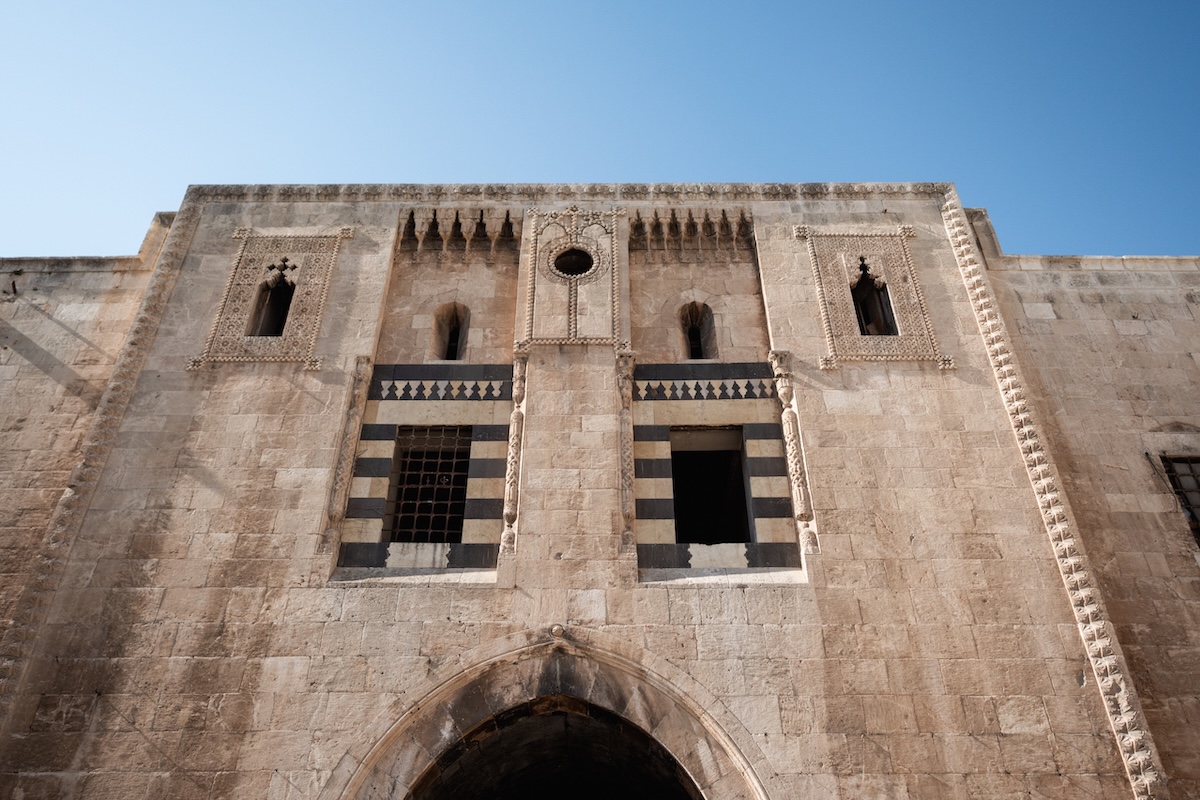
Syria is one of the most fascinating countries to explore in the Middle East, offering an incredible combination of ancient history, cultural diversity, stunning landscapes, and unforgettable encounters with local communities. As independent travel becomes increasingly accessible following the regime change in December 2025, more travelers are now discovering Syria and exploring the country at their own pace.
From the historic streets of Damascus and Aleppo to the ancient ruins of Palmyra and Bosra, the impressive Krak des Chevaliers, the peaceful villages of Maaloula and Mar Musa, the Mediterranean coastline of Latakia and Tartus, and the lesser-visited regions of Homs, Hama, Idlib, Raqqa, and Deir ez-Zor, Syria offers an incredible variety of places to explore. In this guide, we share our favorite destinations across the country, including famous historical landmarks, cultural sites, natural landscapes, and hidden gems that are often overlooked by visitors. Whether you are planning a short trip or a longer backpacking journey, this guide will help you build your itinerary and discover the incredible diversity of Syria.
Planning your trip to Syria?
Don't miss our complete Syria Travel Guide, where we cover everything you need to know before visiting, including visa requirements, border crossings, transportation, SIM cards, money, safety, and practical travel tips.
Looking for accommodation?
Check our dedicated guide Where to Stay in Syria, featuring recommended hotels, hostels, and guesthouses across the country, with prices, contacts, Wi-Fi information, and other useful details.
Considering exploring Syria by motorcycle?
We have created a dedicated guide covering motorcycle routes, border crossings, road conditions, fuel, checkpoints, accommodation, and practical advice for riding across the country.
From the historic streets of Damascus and Aleppo to the ancient ruins of Palmyra and Bosra, the impressive Krak des Chevaliers, the peaceful villages of Maaloula and Mar Musa, the Mediterranean coastline of Latakia and Tartus, and the lesser-visited regions of Homs, Hama, Idlib, Raqqa, and Deir ez-Zor, Syria offers an incredible variety of places to explore. In this guide, we share our favorite destinations across the country, including famous historical landmarks, cultural sites, natural landscapes, and hidden gems that are often overlooked by visitors. Whether you are planning a short trip or a longer backpacking journey, this guide will help you build your itinerary and discover the incredible diversity of Syria.
Planning your trip to Syria?
Don't miss our complete Syria Travel Guide, where we cover everything you need to know before visiting, including visa requirements, border crossings, transportation, SIM cards, money, safety, and practical travel tips.
Looking for accommodation?
Check our dedicated guide Where to Stay in Syria, featuring recommended hotels, hostels, and guesthouses across the country, with prices, contacts, Wi-Fi information, and other useful details.
Considering exploring Syria by motorcycle?
We have created a dedicated guide covering motorcycle routes, border crossings, road conditions, fuel, checkpoints, accommodation, and practical advice for riding across the country.
Damascus
The beautiful capital of Syria. staying in the Old City if your budget allows is a must. If your budget allows, staying in the Old City is highly recommended, as it puts you right in the middle of the historic streets, souks, and traditional architecture.
Must-see sites include the Umayyad Mosque, a masterpiece of Islamic architecture; Al Azem Palace, showcasing Ottoman-era; the Sayyidah Ruqayya Shrine; Khan As’ad Pasha Al-Azem, an impressive caravanserai; Hanania Church; and the St Paul Syriac Catholic Cathedral.
For those looking to explore further, you can make a few day trips from Damascus:
How to get there:
It is possible to stay overnight at the monastery. There is no fixed price; accommodation is offered based on donations.
Check our article about Where to Stay in Syria for more details.
Must-see sites include the Umayyad Mosque, a masterpiece of Islamic architecture; Al Azem Palace, showcasing Ottoman-era; the Sayyidah Ruqayya Shrine; Khan As’ad Pasha Al-Azem, an impressive caravanserai; Hanania Church; and the St Paul Syriac Catholic Cathedral.
For those looking to explore further, you can make a few day trips from Damascus:
- Maaloula is one of the last places in the world where Neo-Aramaic, the language spoken by Jesus. Nestled in the mountains northwest of Damascus, it is a small Christian village. The village is known for its ancient churches, including the Monastery of Saint Sergius (Deir Mar Sarkis) and the Monastery of Saint Thecla (Deir Mar Takla), which are carved into the cliffs and offer stunning views of the surrounding valleys.
- Bosra, home to a remarkably well-preserved Roman theatre. Once the second capital of the Nabateans after Petra, the city later flourished under Roman rule.
- The Monastery of Mar Musa: the monastery of Saint Moses the Abyssinian (Mar Musa) is one of the most unique and peaceful places to visit in Syria, located in the mountains near the town of Al-Nabk (النبك), about 80 km north of Damascus.
How to get there:
- Take a bus from Damascus towards Al-Nabk (النبك).
- From Al-Nabk, you can either hitchhike or take a taxi to reach the monastery (the road is not served by public transport).
It is possible to stay overnight at the monastery. There is no fixed price; accommodation is offered based on donations.
Check our article about Where to Stay in Syria for more details.
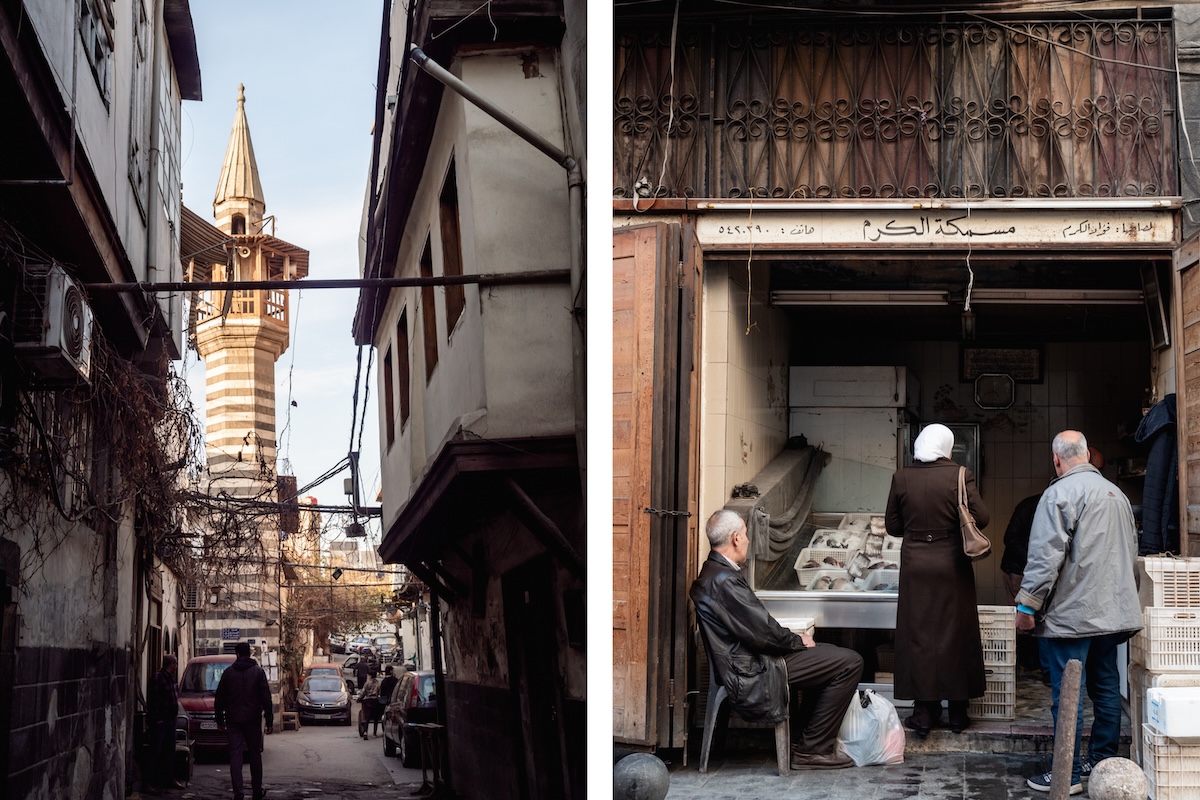
Damascus, Syria - Manon Roca
Palmyra (Tadmor)
You can reach Palmyra from Al-Qaboon Bus Station in northern Damascus. Tickets cost around 75,000 SYP, roughly 6 USD, and buses leave early in the morning and again around 11:00. Simply tell the locals you want to go to “Tadmor,” they don’t really use Palmyra. The journey takes about three hours, and there are usually no passport checks along the way.
Accommodation in Palmyra is limited, but there are a couple of campsites near the ruins where you can stay. Contact details and further information can be found in our hotel list.
Once in Palmyra, a great way to explore the more remote areas is to hire a local Bedouin on a motorbike for approximately 15 USD. He can take you to the isolated tombs, some of which were damaged during ISIS occupation, and up to the Mamluk castle on the hill. The ancient ruins are mostly empty, giving you a peaceful experience, and currently there is no entry fee, although a small fee is expected starting January 2026.
Accommodation in Palmyra is limited, but there are a couple of campsites near the ruins where you can stay. Contact details and further information can be found in our hotel list.
Once in Palmyra, a great way to explore the more remote areas is to hire a local Bedouin on a motorbike for approximately 15 USD. He can take you to the isolated tombs, some of which were damaged during ISIS occupation, and up to the Mamluk castle on the hill. The ancient ruins are mostly empty, giving you a peaceful experience, and currently there is no entry fee, although a small fee is expected starting January 2026.
Homs and Hama
Much of Homs was heavily damaged during the war, probably making it one of the most destroyed cities in the country. Walking through the city center, surrounded by ruined buildings, you can’t help but feel small and almost overwhelmed. Yet, despite the destruction, life slowly continues: residents are returning, rebuilding, and reinvesting in their damaged homes. One notable site worth visiting is the Khalid ibn al-Walid Mosque, which still stands as a symbol of the city’s resilience.
As for Hama, it’s not really necessary to stay overnight, but it makes a perfect half-day trip from Homs. The main attraction here is the Norias water wheels, an iconic symbol of the city. These enormous wooden wheels, some dating back hundreds of years, were traditionally used to lift water from the Orontes River to irrigate fields.
As for Hama, it’s not really necessary to stay overnight, but it makes a perfect half-day trip from Homs. The main attraction here is the Norias water wheels, an iconic symbol of the city. These enormous wooden wheels, some dating back hundreds of years, were traditionally used to lift water from the Orontes River to irrigate fields.
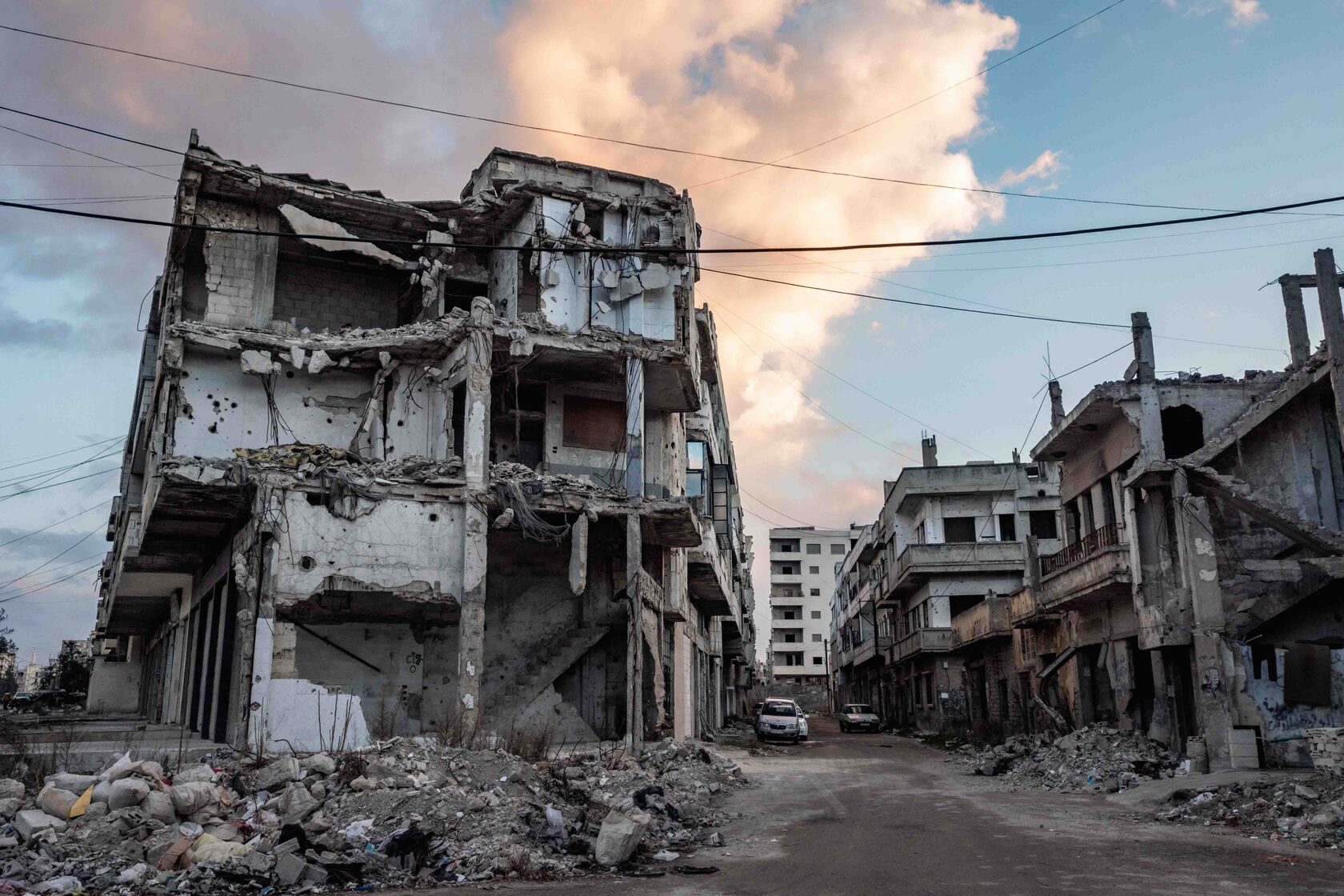
Homs, Syria - Manon Roca
Krak des Chevaliers (Qal'at al-Hosn)
Perched on a hill overlooking the Homs Gap, Krak des Chevaliers is one of the best-preserved medieval castles in the world and one of Syria's most iconic historical landmarks. Built by the Crusaders in the 12th century and later expanded before being captured by the Mamluks in 1271, the fortress is considered a masterpiece of medieval military architecture. Its impressive defensive walls, towers, vaulted halls, and panoramic views make it one of the country's must-see sites. Despite suffering some damage during the Syrian conflict, extensive restoration has allowed visitors to once again explore much of the castle.
Getting there by public transport
Taxi from Homs
For a day trip from Homs to Krak des Chevaliers (including the nearby monastery) or Palmyra, we recommend contacting the following taxi driver, Ahed, via WhatsApp: +963 939 356 460
Prices (updated June 2026):
Getting there by public transport
- From Homs: Direct services depart from the Northern Garages to Al-Hawash, the village closest to the castle. From there, take a short taxi ride to the entrance.
- From Tartous: Take a service taxi towards Homs and ask to be dropped off in Al-Hawash, then continue by taxi to the castle.
Taxi from Homs
For a day trip from Homs to Krak des Chevaliers (including the nearby monastery) or Palmyra, we recommend contacting the following taxi driver, Ahed, via WhatsApp: +963 939 356 460
Prices (updated June 2026):
- Krak des Chevaliers + the nearby monastery: 40 USD
- Palmyra: 85 USD
Tartus
Tartus is a relaxed coastal city with a peaceful Mediterranean atmosphere. One of the highlights is a visit to Arwad Island, just a short boat ride away, where you can explore narrow alleys and enjoy fresh seafood by the sea. You can also spend the day swimming at one of the affordable seaside resorts.
Near Tartus, the ancient ruins of Amrit, dating back thousands of years, are worth visiting. If you have extra time, heading to the countryside is a great idea. Places like Sheikh Badr, Al-Qadmous, and Dreikish offer beautiful nature, good food at reasonable prices, and even outdoor activities like zip-lining.
Near Tartus, the ancient ruins of Amrit, dating back thousands of years, are worth visiting. If you have extra time, heading to the countryside is a great idea. Places like Sheikh Badr, Al-Qadmous, and Dreikish offer beautiful nature, good food at reasonable prices, and even outdoor activities like zip-lining.
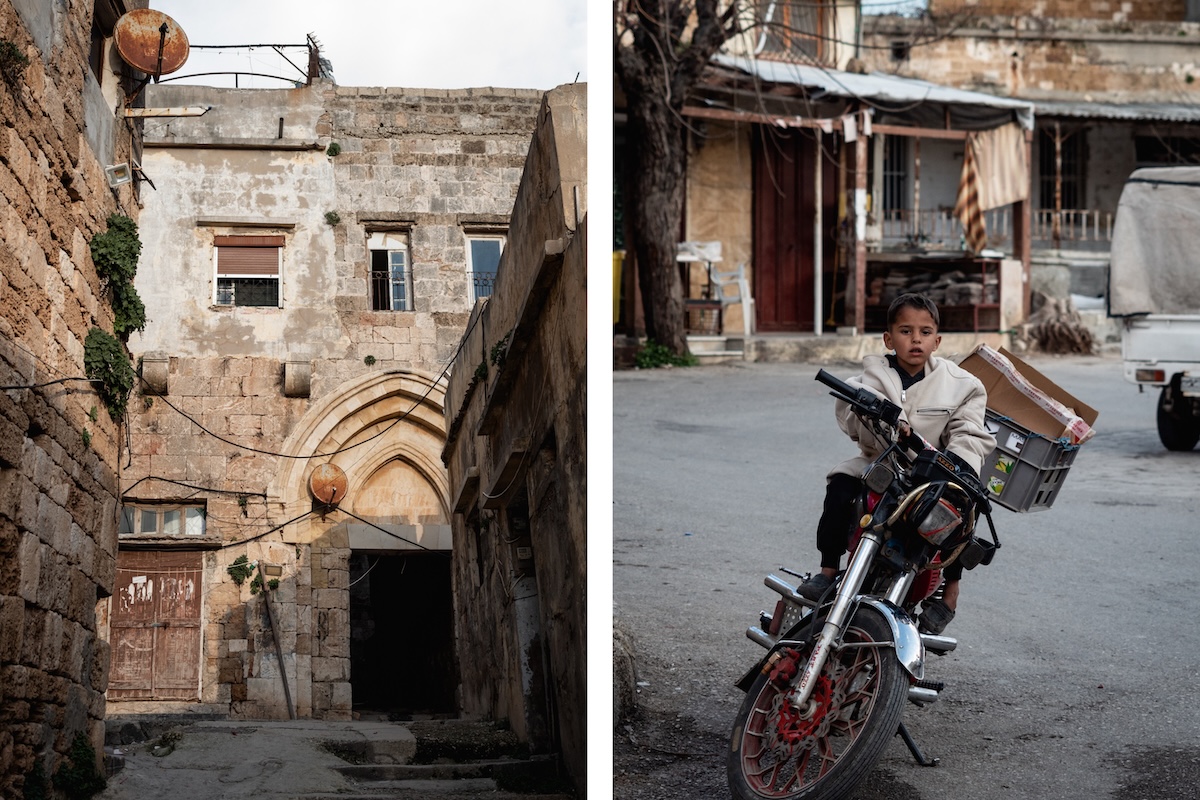
Tartus, Syria - Manon Roca
Lattakia
Latakia is Syria’s main port and a lively hub on the coast. The city is known for its Corniche, a scenic seaside promenade lined with cafés and palm trees, perfect for evening strolls. Historical sites include the Ancient Latakia Castle, and several old Ottoman-era buildings scattered through the city center. Latakia is also a gateway to nearby archaeological sites like Ugarit, the ancient city where the earliest known alphabet was developed, and the Mediterranean beaches for swimming and relaxation. The combination of modern city life, history, and access to nature makes Latakia a versatile stop for travelers.
Getting around the Latakia region
From Latakia, several beaches, natural sites, and attractions are accessible by public transport. The cost is approximately 5,000 SYP (50 new currency).
The Al-Samman Hotel mini-bus stop serves nearby beaches, including:
The Al-Farous Garage serves the wider district, including nature sites and wadis:
The Al-Samman Hotel mini-bus stop serves nearby beaches, including:
- The Blue Beach (Shatee Izraq): the hotel allows visitors to access their private beach for 750 SYP (old 75,000 SYP). The entrance fee includes changing facilities, lockers, parasols, and sunbeds.
The Al-Farous Garage serves the wider district, including nature sites and wadis:
- Wadi Qandil: this beach can be reached by public transport from Al-Farous Garage. The area includes cafés, bars, and accommodation options. Visitors can also camp or stay in wooden lodges directly on the beach. Prices are negotiable and usually range from 10–50 USD, depending on the facilities provided.
Idlib
Idlib has been largely isolated from the rest of Syria for years and has strong ties with Turkey. Locals are extremely welcoming, though they are often surprised to see foreigners. The city is now cautiously reintegrating with Syria after being inaccessible for over a decade.
You can use in Idlib to pay in Syrian Pounds and Turkish Lira.
SIM cards works in Idlib now, but the internet is quiet slow.
You can use in Idlib to pay in Syrian Pounds and Turkish Lira.
SIM cards works in Idlib now, but the internet is quiet slow.
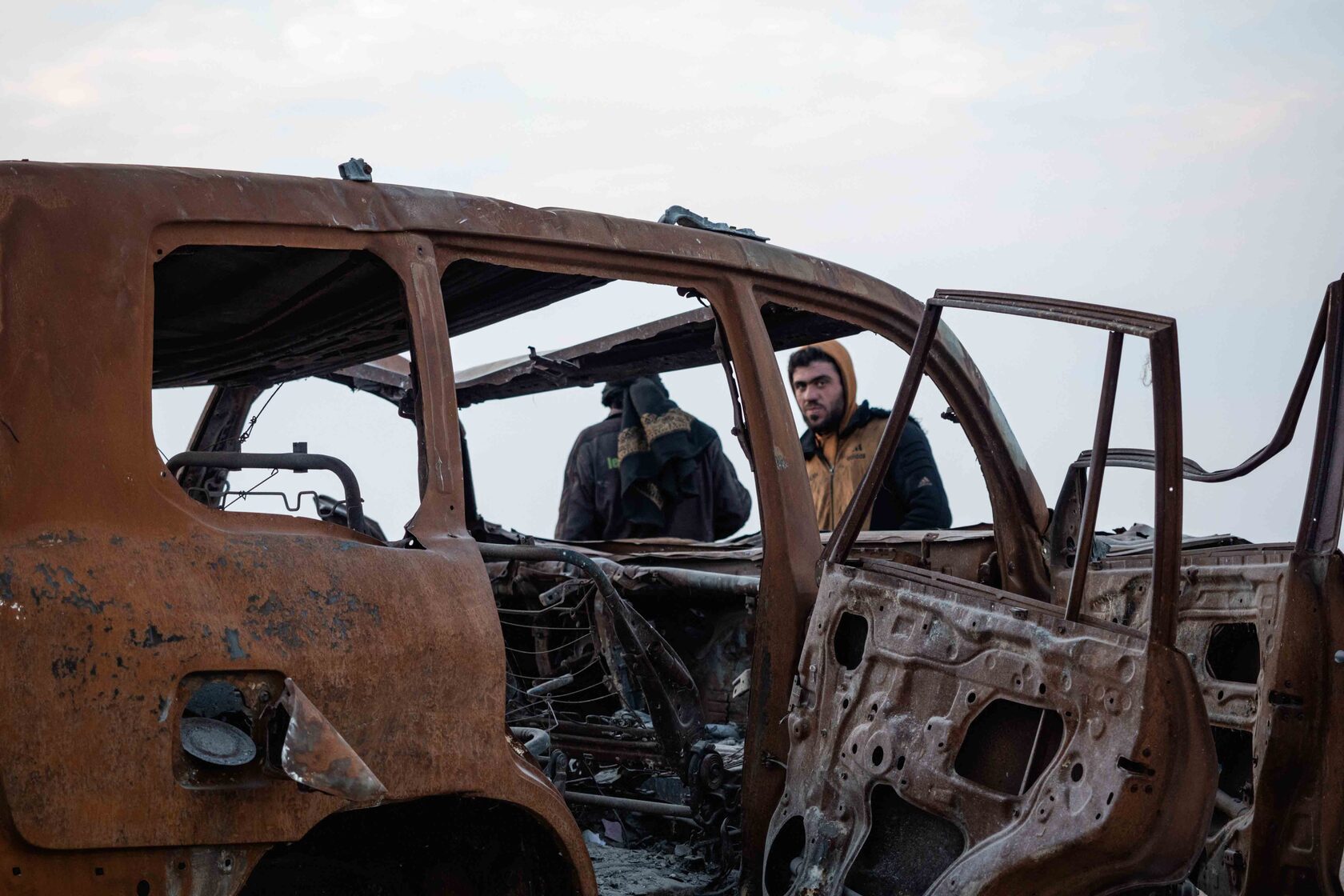
Idlib, Syria - Manon Roca
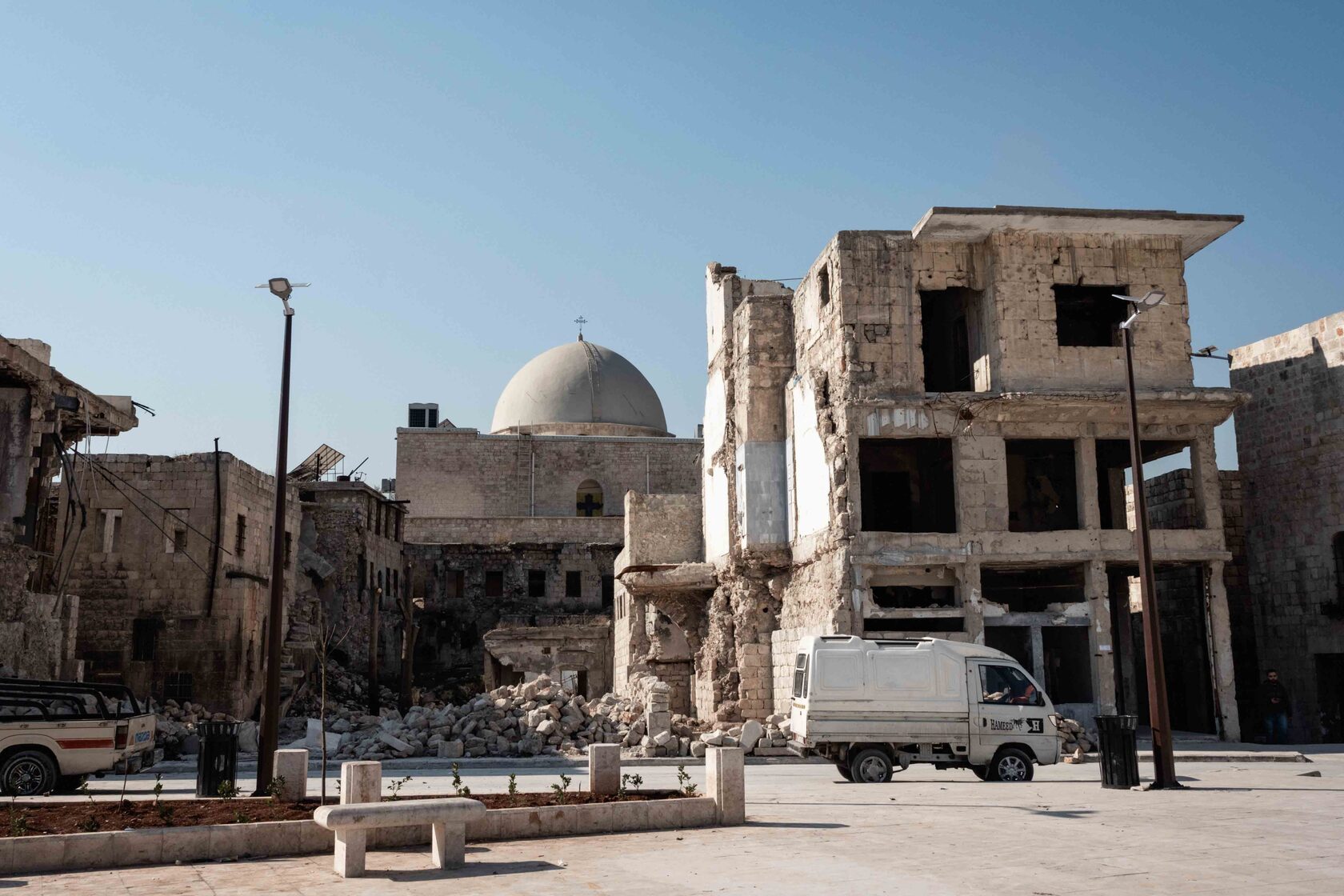
Aleppo, Syria - Manon Roca
Aleppo
Aleppo is one of the oldest continuously inhabited cities in the world and has long been a favorite among travelers. It is personally my favorite too (Manon). At its heart stands the impressive Citadel of Aleppo, offering panoramic views over the city. The Old Souks, among the oldest in the world, are slowly being restored after the war and the earthquake, bringing life back to this historic trading center on the Silk Road.
The city is also known for its rich culinary traditions and its remarkable religious and architectural heritage. The Great Mosque of Aleppo, with its centuries of history, stands alongside the Al-Halawiyah Madrasa, located opposite the mosque's western entrance and built on the remains of a 5th-century Byzantine church. Historic city gates such as Bab Antakia, Bab Qinnasrin, Bab al-Hadid, and Bab al-Nasr, together with magnificent caravanserais like Khan al-Wazir and Khan al-Gumruk, reflect Aleppo's centuries-long role as one of the Middle East's most important commercial hubs. The city's famous Aleppo soap workshops (finally got to buy my Aleppo soap from the city itself :D) and centuries-old hammams also remain an essential part of its living heritage.
Walking through neighborhoods like the Christian Quarter or Al-Jdayde reveals the city's layered history and resilience. Despite the destruction it has endured, Aleppo remains vibrant, with cafés, markets, and workshops once again filling the streets with warmth and life.
Around Aleppo, the mountainous region of Jabal Samaan offers beautiful natural landscapes and traditional villages. This rural area is home to remarkable archaeological sites such as Serjilla, Al-Bara, Qalb Loze, and Apamea, as well as historic towns like Harim and Afrin, reflecting the rich cultural and historical heritage of northern Syria.
The city is also known for its rich culinary traditions and its remarkable religious and architectural heritage. The Great Mosque of Aleppo, with its centuries of history, stands alongside the Al-Halawiyah Madrasa, located opposite the mosque's western entrance and built on the remains of a 5th-century Byzantine church. Historic city gates such as Bab Antakia, Bab Qinnasrin, Bab al-Hadid, and Bab al-Nasr, together with magnificent caravanserais like Khan al-Wazir and Khan al-Gumruk, reflect Aleppo's centuries-long role as one of the Middle East's most important commercial hubs. The city's famous Aleppo soap workshops (finally got to buy my Aleppo soap from the city itself :D) and centuries-old hammams also remain an essential part of its living heritage.
Walking through neighborhoods like the Christian Quarter or Al-Jdayde reveals the city's layered history and resilience. Despite the destruction it has endured, Aleppo remains vibrant, with cafés, markets, and workshops once again filling the streets with warmth and life.
Around Aleppo, the mountainous region of Jabal Samaan offers beautiful natural landscapes and traditional villages. This rural area is home to remarkable archaeological sites such as Serjilla, Al-Bara, Qalb Loze, and Apamea, as well as historic towns like Harim and Afrin, reflecting the rich cultural and historical heritage of northern Syria.
Raqqa
You can easily reach Raqqa from Aleppo by servis (shared minibus). The journey costs around 850 SYP (85,000 old SYP) and services run regularly from Ash Sharqi station (36.203541, 37.178291). This station also has services to Al Bab for around 180 SYP (18,000 old SYP).
Raqqa has several accommodation options. For budget travelers, Al Sari Hotel (35.945718, 39.007611) is a good choice. A double room costs around 25 USD/night (approximately 12.5 USD per person if shared). Rooms have decent WiFi and good air conditioning.
Raqqa was one of the highlights for many travelers: locals are very welcoming, and the city feels safe and easy to explore.
Raqqa has several accommodation options. For budget travelers, Al Sari Hotel (35.945718, 39.007611) is a good choice. A double room costs around 25 USD/night (approximately 12.5 USD per person if shared). Rooms have decent WiFi and good air conditioning.
Raqqa was one of the highlights for many travelers: locals are very welcoming, and the city feels safe and easy to explore.
Deir ez-Zor
From Raqqa, you can continue to Deir ez-Zor by servis for around 650 SYP (65,000 old SYP).The departure point is near the same area where you arrive from Aleppo: 35.942552, 39.012511.
For budget accommodation, Al Bustan Hotel (35.358827, 40.114525) offers double rooms for around around 3,700 SYP (370,000 old SYP)/night. The location is slightly outside the city center, but it is located along the Euphrates River and offers good WiFi and air conditioning.
For a more comfortable option, Badia Al Sham Hotel (35.349172, 40.129239) offers double rooms for around 100 USD/night. Single room prices were not confirmed.
From Deir ez-Zor, buses to Damascus leave from the main garage (35.325583, 40.134171). The price is around 125,000 SYP, with departures around 7:00 AM.
Servis options are also available from this station: 35.328161, 40.139621.
If you leave early (around 7:00 AM), it is possible to visit Palmyra as a day trip and continue onward to Homs or Damascus afterwards.
For budget accommodation, Al Bustan Hotel (35.358827, 40.114525) offers double rooms for around around 3,700 SYP (370,000 old SYP)/night. The location is slightly outside the city center, but it is located along the Euphrates River and offers good WiFi and air conditioning.
For a more comfortable option, Badia Al Sham Hotel (35.349172, 40.129239) offers double rooms for around 100 USD/night. Single room prices were not confirmed.
From Deir ez-Zor, buses to Damascus leave from the main garage (35.325583, 40.134171). The price is around 125,000 SYP, with departures around 7:00 AM.
Servis options are also available from this station: 35.328161, 40.139621.
If you leave early (around 7:00 AM), it is possible to visit Palmyra as a day trip and continue onward to Homs or Damascus afterwards.
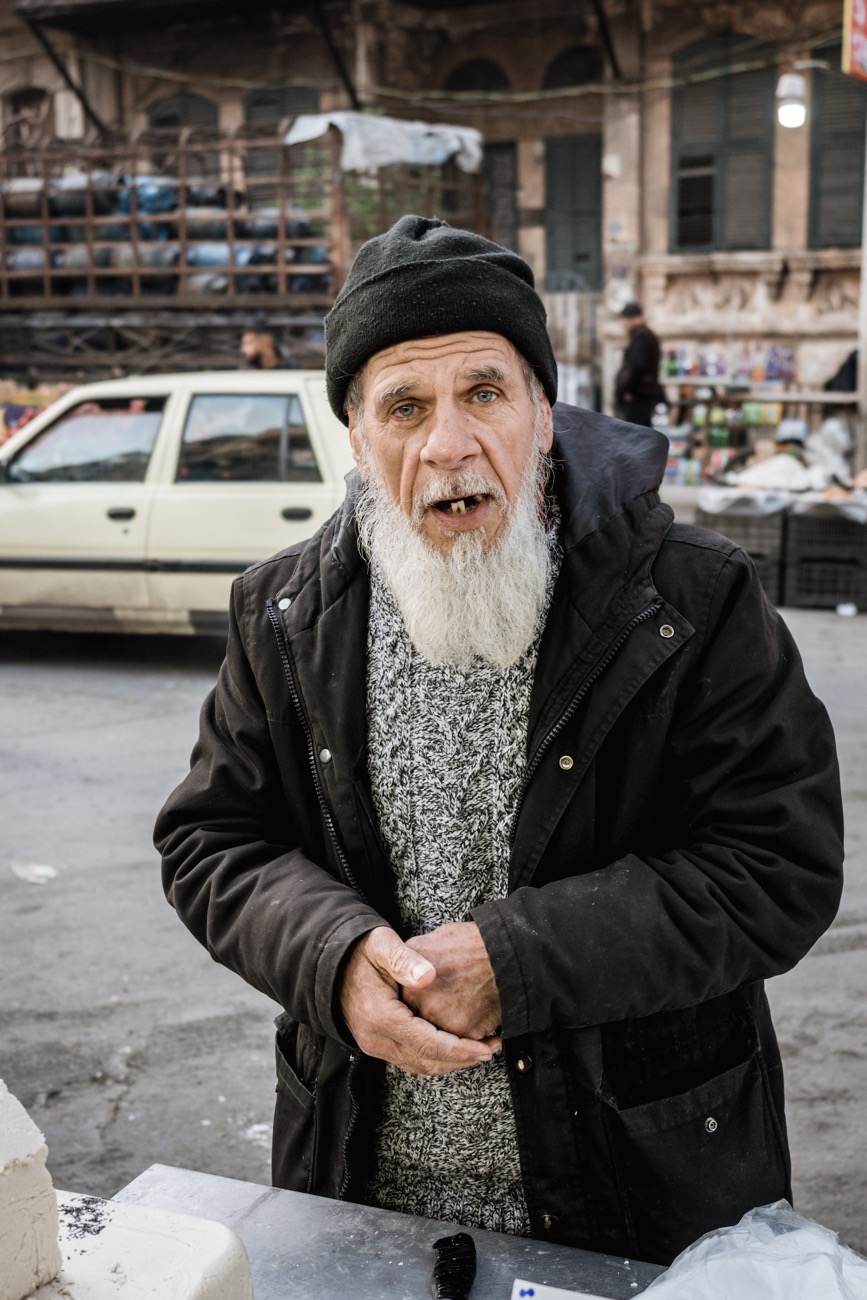
Aleppo, Syria - Manon Roca
Now that you know where to go in Syria, check our dedicated article to find out where to stay, with our selection of recommended hotels, hostels, and guesthouses across the country.